
How Many Sharks Are in the World?
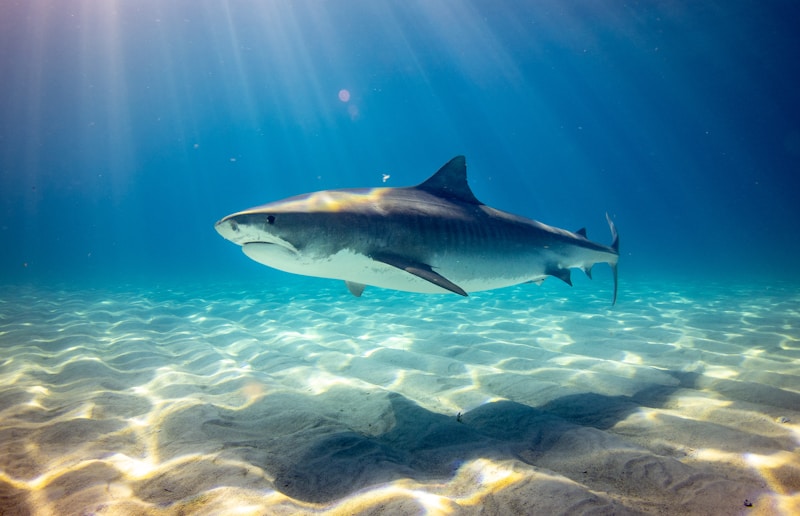
Sharks have fascinated humans for centuries. They are vital to marine ecosystems. Knowing their numbers is essential for conservation efforts. However, pinpointing the exact number of sharks in the world is challenging.
Shark Species
There are over 500 species of sharks. These species vary greatly in size, behavior, and habitat. Some are tiny like the dwarf lanternshark, which is only 8 inches long. Others are massive, such as the whale shark, which can grow up to 40 feet.
Sharks are distributed across the world’s oceans. Some species inhabit deep waters, while others prefer the shallows. Coastal areas, open seas, and even freshwater rivers host different shark species. This wide distribution makes counting them difficult.
Estimating Shark Populations
Marine biologists use various methods to estimate shark populations. One approach involves tagging and tracking sharks. Tagging gives scientists valuable data on shark movements and behavior. This can help estimate population sizes.
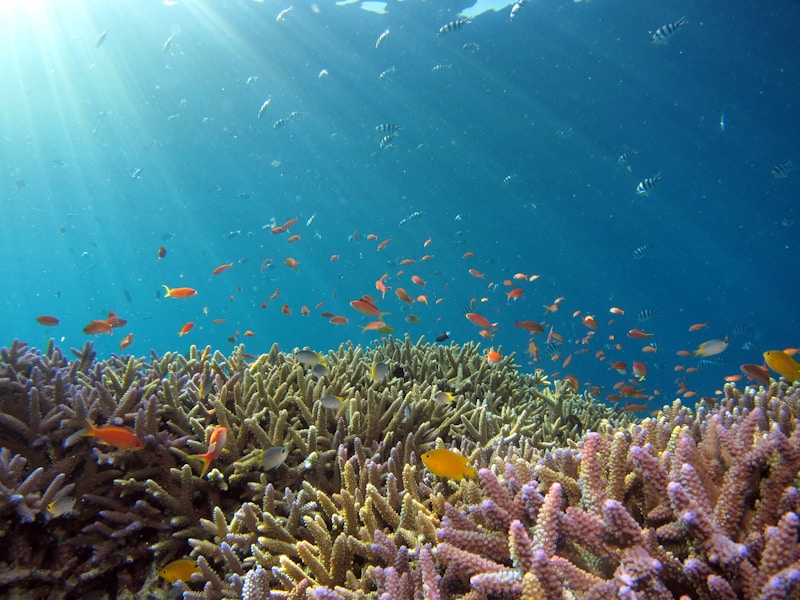
Another method is aerial or underwater surveys. Drones, submarines, and directly diving help in observing sharks in their natural habitats. These observations help in making educated guesses on their numbers.
Statistical models and population studies also play a role. Scientists use data from known populations to extrapolate for larger areas. These models consider reproduction rates, survival rates, and migration patterns.
Challenges in Counting Sharks
Sharks cover extensive territories. Some travel thousands of miles across oceans. This migratory behavior complicates population estimates. Seasonal movements between breeding and feeding grounds add more complexity.
Deep ocean habitats make direct observation difficult. Some species spend most of their lives in depths that are hard for researchers to access. Limited visibility and vast areas of open water are significant barriers.
Climate change and human activity impact shark populations. Overfishing, habitat destruction, and pollution affect their numbers. These factors can cause sudden population declines, making counts less reliable.
Known Estimates and Trends
While exact numbers are elusive, some estimates exist. For example, scientists believe there are over 10,000 whale sharks globally. Great white sharks have an estimated population of around 3,500 individuals. These numbers highlight the varying abundances between species.
Shark populations are generally declining. The International Union for Conservation of Nature (IUCN) lists many shark species as threatened or endangered. Overfishing, mainly for fins, is a major contributor. Bycatch, where sharks are unintentionally caught in fishing gear, also poses a threat.

Shark Conservation Efforts
Conservation groups work to protect sharks. Initiatives include establishing marine protected areas. These areas limit human activities and provide safe habitats for sharks.
Fishing regulations are another critical effort. Implementing catch limits, banning shark finning, and protecting endangered species are strategies used. These regulations aim to mitigate overfishing and support population recovery.
Public awareness campaigns play a role. Educating people about the importance of sharks helps garner support for conservation measures. Campaigns often focus on dispelling myths and highlighting their ecological value.
Technological Advancements
Technology aids shark conservation. Satellite tagging and tracking provide real-time data on shark movements. This data helps scientists understand migration patterns and identify critical habitats.
Genetic analysis offers insights into shark populations. DNA sampling helps determine genetic diversity and population structure. This information is valuable for conservation planning.
Advanced imaging technologies like LiDAR and sonar enhance underwater surveys. These technologies allow researchers to map shark habitats accurately. Better maps lead to improved management and protection efforts.
In summary, exact numbers of sharks worldwide remain unknown. Estimations rely on various methods and are challenging due to their wide distribution and migratory nature. Continued conservation efforts and technological advancements are vital for protecting these essential marine predators.




Stay in the loop
Get the latest international wildlife research updates delivered to your inbox.