
Porpoise vs Dolphin
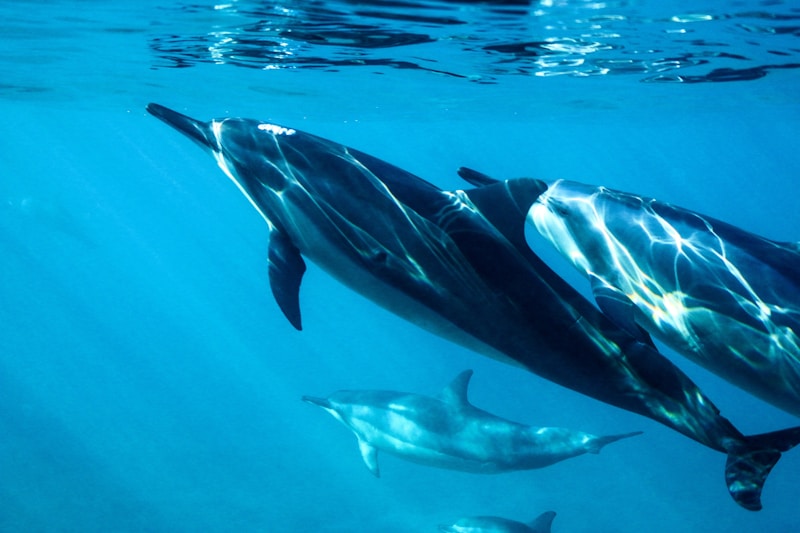
Telling a porpoise from a dolphin has gotten unnecessarily complicated with all the misinformation floating around online. As someone who spent three summers volunteering at a marine mammal research center in Oregon, I got to observe both species up close more times than I can count. Today, I’m going to share everything I learned about what actually separates these two cetaceans.
The confusion is understandable since both have flippers, blowholes, and that classic marine mammal shape. But once you know what to look for, you’ll never mix them up again.
Physical Characteristics
The face gives it away every time. I’m apparently one of those people who notices snouts first, and porpoises have this stubby, rounded face that makes them look almost grumpy. Dolphins? Totally different vibe with their elongated beaks. My mentor used to joke that dolphins are the “smiling salespeople” of the sea.
Their teeth tell another story. Porpoise teeth are flat like little spades – perfect for crushing prey. Dolphin teeth are pointy cones designed for grabbing slippery fish. I remember examining a dolphin skull once and thinking those teeth looked almost aggressive compared to the porpoise specimen next to it.
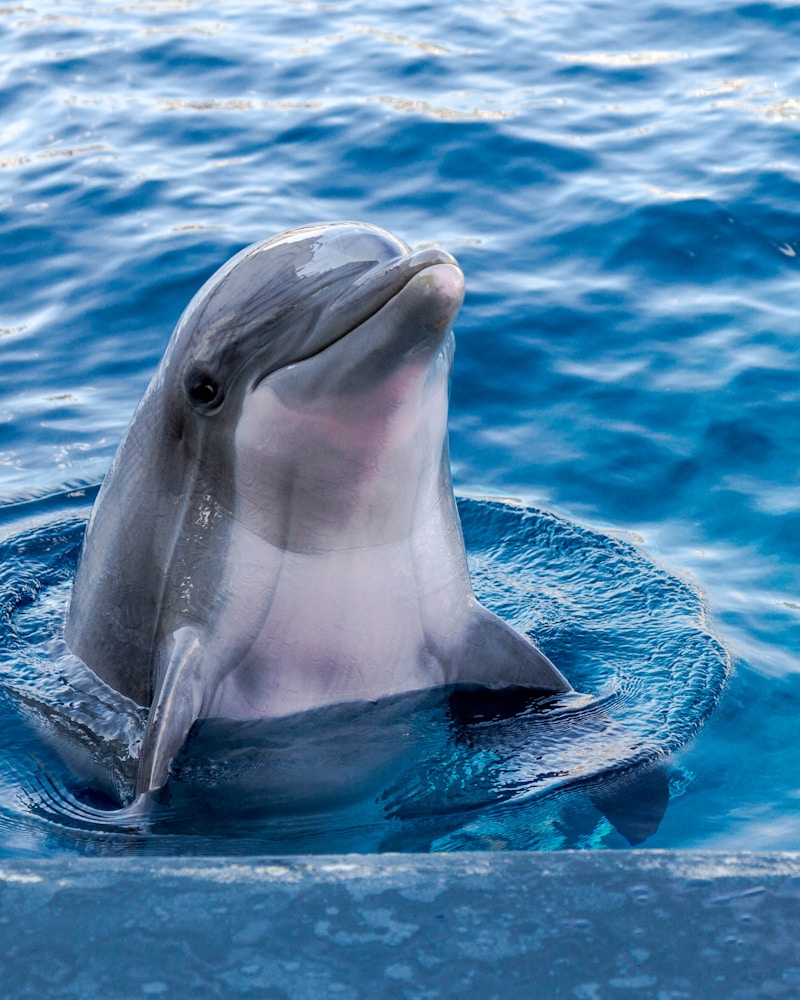
That dorsal fin is another dead giveaway. Porpoises have this triangular fin that looks almost like a shark’s, while dolphins sport that curved, hook-shaped fin you see in all the marine park photos. Size-wise, porpoises run about 5 to 7 feet, and dolphins stretch anywhere from 6 to 12 feet depending on species.
Behavior
This is where things get interesting. Bow-riding alongside boats, leaping out of the water, doing tail slaps that spray tourists on whale watching trips. They live for it.
Porpoises are the introverts of the cetacean world. During my volunteer days, we’d spot porpoises occasionally, and they’d usually be in small groups of maybe eight or ten. No acrobatics, no coming over to investigate our research vessel. Just doing their thing and keeping their distance. There’s something I respect about that honestly.
Both use echolocation, but porpoises click at higher frequencies. Some researchers think this developed because they often hunt in murkier coastal waters where precision matters more than range.
Habitat
Here’s something that surprised me when I first learned it: geography matters a lot with these animals. Dolphins generally prefer warm tropical and subtropical waters – think Caribbean vacation destinations. There are exceptions like orcas (which are technically dolphins despite the “killer whale” name), but most dolphins like it warm.
Porpoises? They’re the cold water enthusiasts. Harbor porpoises are common in the North Atlantic and North Pacific, hanging out in the chilly waters most swimmers would avoid. They stick to shallow coastal areas, bays, and estuaries. Dolphins venture into deeper offshore waters more readily.
Diet
Both are meat-eaters going after fish and squid, but their hunting styles couldn’t be more different. Dolphins work together in these coordinated attacks – there’s a technique called “fish whacking” where they stun prey with their tails before eating. Groups will corral schools of fish into tight balls for easier pickings. It’s like watching a heist movie underwater.
Porpoises keep it simple. They hunt alone or in pairs, going after smaller fish without all the elaborate teamwork. Works for me, honestly – not every predator needs to be a social butterfly.
Communication
Dolphins have this complex vocabulary of clicks, whistles, and body language that researchers are still decoding. Each dolphin develops a unique “signature whistle” that functions like a name. They use these to find friends and family across surprisingly long distances. The social sophistication is remarkable.
Porpoises communicate too, but it’s more practical than social. High-frequency clicks for navigation and hunting, less variety in the sounds they produce. Given their smaller social groups, they don’t need the same communication toolkit dolphins rely on.
Scientific Classification
Both fall under Cetacea (the order that includes whales), but they split at the family level. Dolphins belong to Delphinidae, which contains everything from bottlenose dolphins to orcas. Porpoises get their own family, Phocoenidae, with fewer species overall.
Conservation Status
Neither group is having an easy time these days. Dolphins face boat strikes, fishing gear entanglement, and pollution. Trawling and drift nets have decimated some populations.
Porpoises arguably have it worse in some ways. The vaquita – a tiny porpoise from the Gulf of California – is the most endangered marine mammal on Earth. Last estimates put their numbers in the dozens. That haunts me. Marine protected areas and fishing regulations help, but enforcement remains a constant struggle.
Interactions with Humans
Dolphins became celebrities through marine parks, movies, and TV shows. Swim-with-dolphin programs have made them familiar to millions. Scientists study their intelligence extensively, and they’ve earned a special place in human culture.
Porpoises stay under the radar. They avoid boats, steer clear of busy areas, and most people wouldn’t recognize one if they saw it. Maybe that’s for the best – fame hasn’t done dolphins any favors when it comes to captivity issues.
Next time you’re on the water and spot a fin, take a second to really look. The differences are there once you know what to watch for. And whether it’s a playful dolphin or a shy porpoise, you’re witnessing something pretty special.




Stay in the loop
Get the latest international wildlife research updates delivered to your inbox.