
Are Tigers Going Extinct?
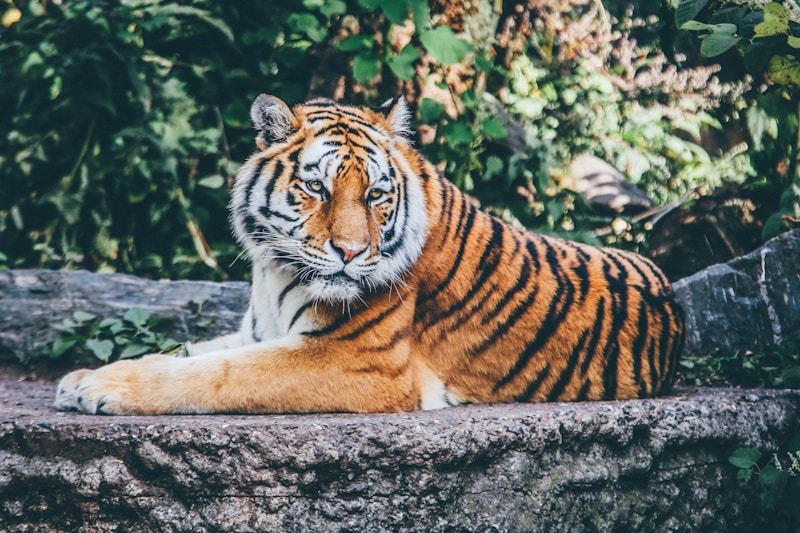
Wild tigers, once roaming vast territories across Asia, are now confined to fragmented habitats. Not long ago, these majestic animals prowled from Turkey to the eastern coast of Russia. Today, their range has shrunk to 13 countries, with the largest populations in India, Russia, and Indonesia.
Several factors contribute to the dwindling number of tigers. Habitat destruction leads the charge. Expanding human populations require more land for agriculture and urban development. As forests are cleared, tigers lose their homes, and their prey dwindles.
Illegal poaching also poses a profound threat. Tiger parts are used in traditional medicine, despite international bans. Skins and bones fetch high prices on black markets. Anti-poaching laws exist, but enforcement remains sporadic and challenging.
Human-wildlife conflict exacerbates the situation. Tigers encroach on human settlements in search of food, leading to retaliatory killings. These predators might attack livestock, causing economic losses for communities. Despite efforts to promote coexistence, tensions persist.
Conservation Efforts
Numerous organizations and governments work tirelessly to save tigers. Conservation strategies include anti-poaching measures, habitat restoration, and community engagement. Successful initiatives often share a common approach:

- Monitoring and Patrolling: Rangers and surveillance systems track tiger movements and deter poachers. Technologies like GPS collars and camera traps provide valuable data.
- Protecting Habitats: Conservationists work to preserve and expand forested areas. Protected reserves offer safe havens for tigers and their prey.
- Community Involvement: Engaging local communities fosters coexistence. Education programs and alternative livelihoods reduce dependence on forest resources and mitigate conflicts.
Partnerships between governments, non-profits, and international bodies yield significant results. India’s Project Tiger, initiated in 1973, showcases successful conservation. This program reversed the decline in several reserves, though challenges remain in maintaining progress.
Status of Subspecies
Tiger subspecies face varying levels of threat. There are currently six recognized subspecies:
- Bengal Tiger: Most numerous, found primarily in India. Efforts in the Sundarbans and other reserves show promise.
- Indochinese Tiger: Resides in Southeast Asia. Numbers are critically low due to poaching and habitat loss.
- Malayan Tiger: Native to the Malay Peninsula. Fewer than 200 individuals remain, requiring urgent action.
- Siberian Tiger: Also known as Amur tiger, found in Russia and parts of China. Conservation programs in Russia show positive trends.
- South China Tiger:Functionally extinct in the wild. Some live in captivity, with efforts to reintroduce them to protected areas.
- Sumatran Tiger: Found on the Indonesian island of Sumatra. Habitat destruction and poaching pose significant threats.
Several subspecies have already vanished. The Bali, Caspian, and Javan tigers are now extinct. Protecting the remaining populations is crucial to preserving this iconic species.
Importance of Tigers
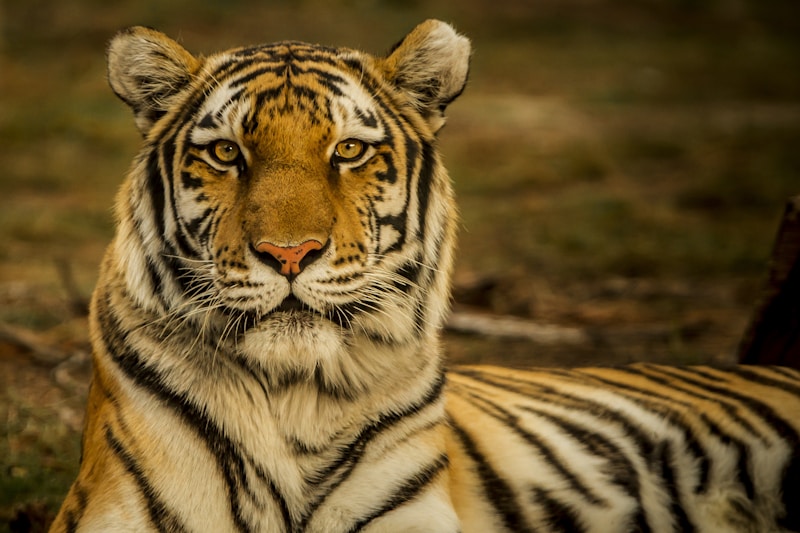
Tigers play a vital role in maintaining healthy ecosystems. As apex predators, they regulate prey populations. This, in turn, maintains the balance of plant and animal communities. Removing tigers from the ecosystem can lead to overpopulation of herbivores, affecting vegetation and other wildlife.
Beyond their ecological role, tigers hold cultural significance. Many cultures revere tigers as symbols of strength, courage, and protection. Their presence enriches local and national heritage, attracting tourism and boosting economies.
Global Commitments
International commitments support tiger conservation. The Global Tiger Initiative, launched in 2008, brings together tiger range countries and partners. Its goal is to double the wild tiger population by 2022, known as TX2. This ambitious target requires coordinated efforts and substantial resources.
CITES (The Convention on International Trade in Endangered Species of Wild Fauna and Flora) plays a critical role. It regulates the international trade of tiger parts, aiming to curb illegal markets. Despite these measures, enforcement gaps and illegal trade remain significant challenges.
Citizen Involvement
You don’t need to be a conservationist to help save tigers. Ordinary individuals make a difference through various actions:
- Supporting Conservation Organizations: Donations and volunteer efforts bolster initiatives on the ground.
- Raising Awareness: Sharing information and educating others fosters a broader support base.
- Advocacy and Policy Change: Supporting policies that protect wildlife and habitats contributes to long-term solutions.
Tigers face numerous challenges, yet with concerted efforts, their future can be secured. Their survival hinges on continued and enhanced conservation measures. As apex predators, cultural icons, and keystone species, their preservation benefits not only biodiversity but human heritage and identity.




Stay in the loop
Get the latest international wildlife research updates delivered to your inbox.