
Understanding the Lifespan of Tigers
Tiger longevity has gotten a lot of attention from conservationists, and for good reason. Today I’m sharing the brutal reality of why wild tigers die young while their captive cousins live twice as long.
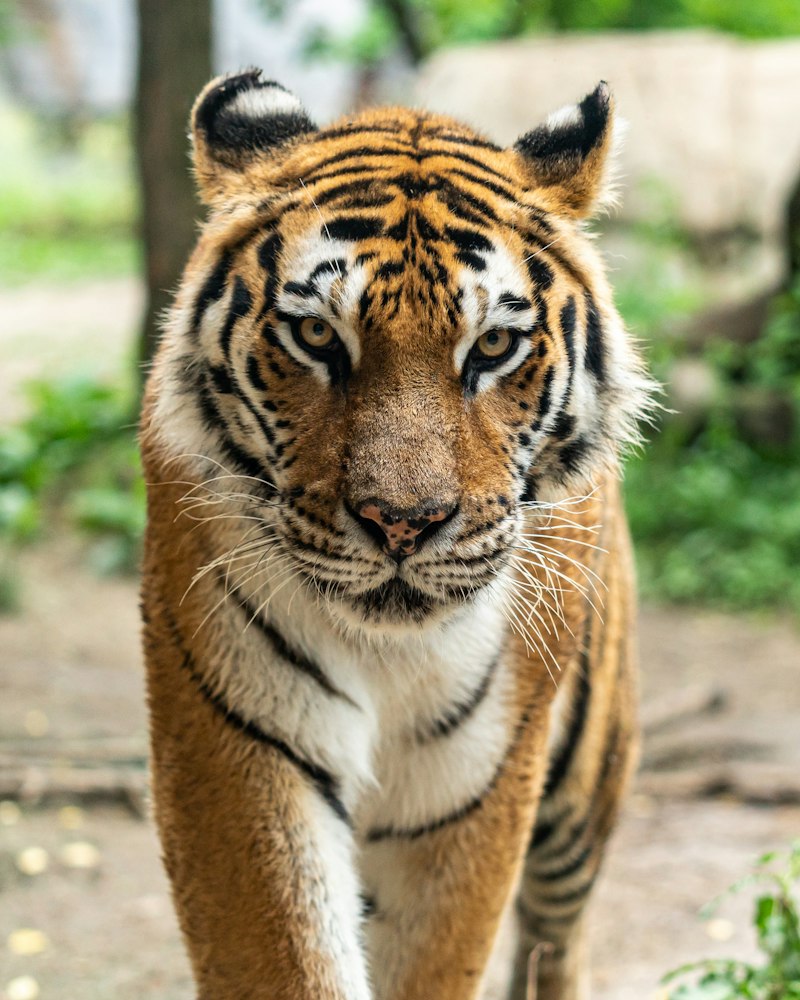
Captive tigers? Up to 20 or more. That’s a significant gap, and the reasons behind it tell us everything about what these animals need to survive.
Life in the Wild
Living wild is brutally hard on tigers. Habitat shrinking, prey getting scarce, poachers everywhere – the deck is stacked against them. A wild tiger spends its life covering enormous territories, sometimes 400 square miles, just to find enough food.
I’m apparently one of those people who finds hunting behavior fascinating, and tigers have it rough. They’re solitary ambush predators. Every hunt costs serious energy, and success rates hover around 10 percent. Failed hunts mean exhaustion and hunger. String enough failures together and a tiger starts weakening. Older or injured tigers hit this wall harder.
Threats from Humans
Human activity is the biggest killer. Poaching remains relentless because tiger parts fetch insane prices in traditional medicine markets. Habitat destruction from logging, farming, and urban expansion pushes tigers into smaller and smaller territories. When those territories shrink, tigers end up near villages. Those encounters usually end badly for the tiger.
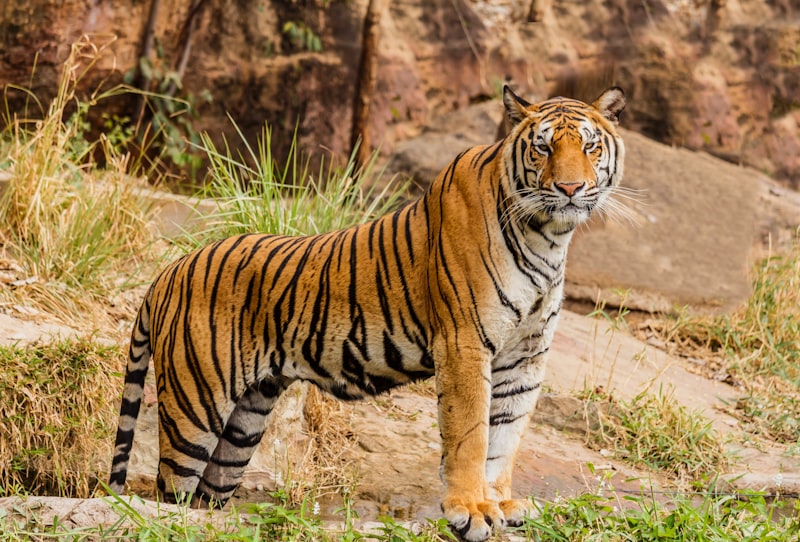
Conservation efforts exist. Anti-poaching laws are on the books. But enforcement varies wildly by region, and the black market keeps thriving where money talks. That’s what makes tiger conservation so frustrating for us advocates – we know what needs to happen but can’t always make it happen.
Impact of Prey Availability
Prey determines everything. In areas with abundant deer, pigs, and buffalo, tigers maintain good body condition and breed successfully. When prey populations crash, tigers travel farther, burn more calories, and eventually weaken.
Desperate tigers sometimes take livestock near villages. Villagers retaliate. More dead tigers. The cycle continues unless prey conservation happens alongside tiger protection. You can’t save tigers without saving what tigers eat.
Natural Enemies and Competition
Tigers sit at the top of the food chain, but they’re not immune to conflict. Where territories overlap with leopards, dholes (Asian wild dogs), or bears, fights happen. Young or injured tigers lose these encounters more often.
Disease spreads in areas with concentrated predator populations. Natural disasters – floods, wildfires – add randomness to an already dangerous existence. Wild tigers face threats from every direction.
Tiger Cubs and Early Life
Cub survival rates explain a lot about tiger population dynamics. Cubs are born blind, completely dependent on mom for months. A mother’s hunting success determines whether cubs eat. Younger, healthier mothers produce more surviving offspring.
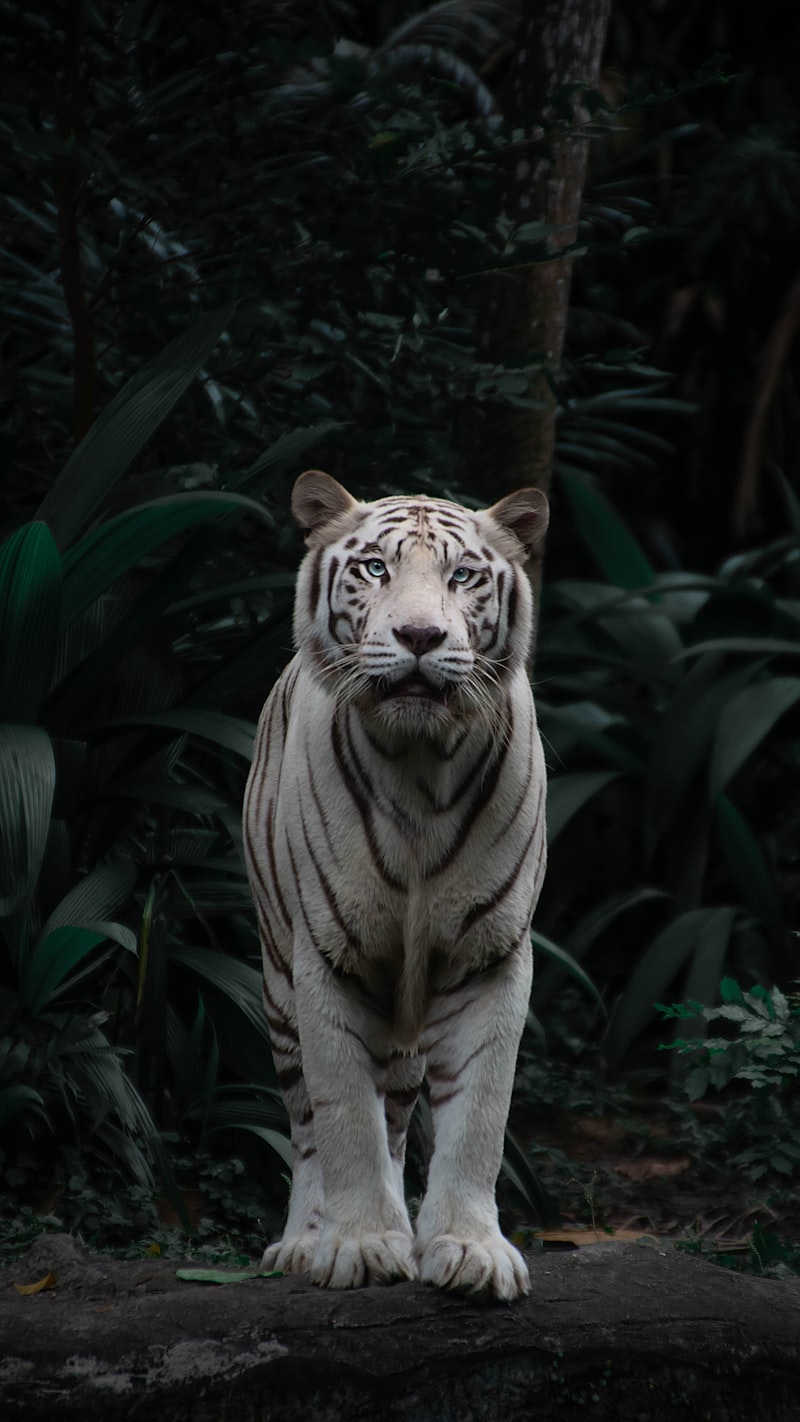
Cubs stay with their mothers for about two years, learning to hunt and survive. The learning curve is steep, and mortality during these early years runs high. Starvation, predation, and abandonment all claim cubs before they reach independence.
Life in Captivity
Captive tigers live longer because everything trying to kill wild tigers doesn’t exist in zoos and sanctuaries. Regular meals, veterinary care, no poachers, no prey scarcity. The math is straightforward – remove the threats, extend the life.
But captivity brings its own problems. Limited space affects psychological wellbeing. Tigers pace, develop stereotypic behaviors, show signs of stress. The best facilities simulate natural habitats and provide enrichment, but even they can’t replicate the complexity of wild life. I watched tigers at the sanctuary wrestle with boredom despite dedicated staff doing everything possible.
Genetics and Health
Genetics matter more than most people realize. Different subspecies evolved for different environments – Siberian tigers handle brutal cold, Sumatran tigers navigate dense jungle. These adaptations affect energy needs and survival prospects.
Genetic diversity is declining as populations shrink and fragment. Inbreeding produces weaker offspring with hereditary problems. Conservation breeding programs try to maintain diversity, but small populations make this challenging. It’s a race against genetic bottlenecks.
Conservation and Its Impact on Lifespan
Conservation directly affects how long tigers live. Protected habitats, enforced anti-poaching patrols, prey management programs – all of this translates to more tigers reaching old age. Some populations have actually increased thanks to sustained effort.
The challenge is scaling success. What works in one reserve needs to work across entire ranges. That requires governments, NGOs, and local communities cooperating. Not simple, but not impossible either.
The Role of Technology
Technology helps in ways that weren’t possible a decade ago. Satellite collars track individual tigers across vast territories. Camera traps provide population data. AI analyzes patterns in movement and behavior. This information shapes smarter conservation strategies.
Community engagement apps and online platforms spread awareness and enable rapid reporting of poaching activity. Technology alone won’t save tigers, but it gives conservationists better tools to work with. Progress happens faster when you can measure what’s actually going on.



Stay in the loop
Get the latest international wildlife research updates delivered to your inbox.