Cute Baby Animals: Nature’s Adorable Inspirations
Baby animals have gotten a lot of internet attention, and honestly? They deserve every bit of it. As someone who spent years photographing wildlife and volunteering at rescue centers, I’ve held my share of fuzzy, helpless creatures. Today I’m sharing the ones that made the biggest impression – from Africa’s savannas to Australia’s outback.
Lion Cubs
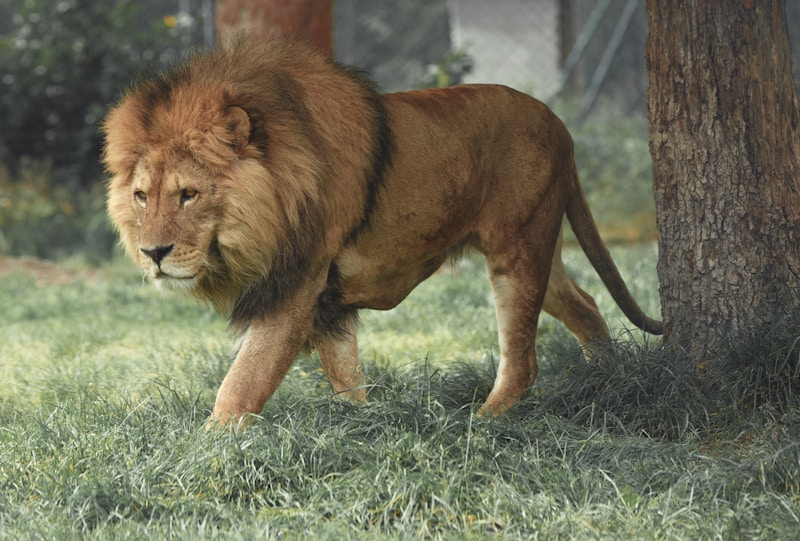
Lion cubs enter the world in the African savanna, born blind and completely helpless. Their mothers hide them in thick brush – smart move when hyenas patrol nearby. Those spots they’re born with? Camouflage that fades as they grow.
I’m apparently one of those people who could watch cubs play-fight for hours. Their mock battles look adorable, but there’s serious business underneath – they’re practicing hunting skills they’ll need as adults. Around three months old, they join the pride and start learning from experienced hunters.
Panda Cubs
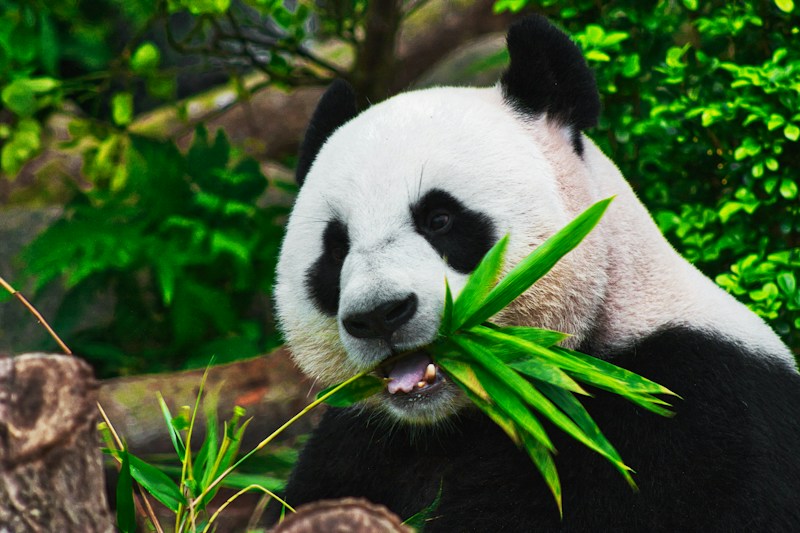
Panda cubs might be the most dramatic size transformation in mammals. They’re born about the size of a stick of butter – maybe 100 grams – and their mothers are absolutely enormous by comparison.
For the first month, they’re completely dependent on mom. Eyes open around two months, that classic black and white pattern develops, and they start attempting to climb bamboo with laughable results. Pandas became conservation mascots for good reason – their cubs make you care about habitat preservation.
- Birth weight: About 100 grams (1/900th of mom’s weight)
- Fully dependent on mother for the first month
- Start walking at around 75 to 80 days
Elephant Calves
Baby elephants are born at 200 pounds and still look tiny next to mom. That’s the scale we’re working with here. What strikes me most is how the entire herd participates in raising calves – aunts, older siblings, everybody pitches in.
Those first years involve constant learning through mimicry and play. Calves follow their mothers obsessively and fumble with their trunks in ways that are genuinely hilarious. They’re trying to figure out this 40,000-muscle appendage through trial and error. Takes a while.
Penguin Chicks
Penguin chicks survive some of Earth’s harshest conditions. Emperor Penguin fathers incubate eggs on their feet through Antarctic winter – now that’s commitment to parenting. The chicks hatch fluffy and dependent on both parents for survival.
That’s what makes penguin family dynamics fascinating to us wildlife watchers – they’ve evolved elaborate cooperative care. Watching young penguins shuffle around on ice, losing their baby fluff for waterproof feathers, makes for memorable footage.
- Primarily reside in cold climates
- Distinct guardian roles between parents
- Rely on group huddles for warmth
Kangaroo Joeys
Joeys have the strangest early development in the mammal world. After a ridiculously short gestation, they’re born basically embryonic – then crawl into mom’s pouch to finish developing. The pouch becomes an external womb.
Kangaroo mothers can manage joeys at different developmental stages simultaneously. I’ve seen a mother with a nearly independent joey still poking its head in while a tiny pink newborn develops inside the same pouch. Nature’s biological engineering gets weird sometimes.

Sloth Babies
Sloth babies embrace their species’ slow-motion lifestyle from birth. They cling to their mothers constantly, navigating Central and South American rainforests one deliberate movement at a time.
Their strategy actually works. By moving slowly and blending with surroundings, they avoid detection by predators. It’s not laziness – it’s energy conservation taken to an extreme. They’ll cling to mom for up to a year before going solo.
- Moist, tropical habitats
- Cling to mother for up to a year
- Primarily nocturnal habits
Seal Pups
Seal pups are born on cold shorelines where thick fur provides essential insulation. They drink incredibly rich milk and gain weight at alarming rates – building the fat reserves they’ll need for ocean life.
Those big eyes aren’t just cute – they’re adapted for underwater vision. Early life focuses entirely on bulking up before parents leave them to figure out swimming and hunting independently. High-stakes first months.
Fox Kits
Fox kits live underground in dens, emerging to play in what looks like chaos but is actually hunting practice. Those oversized ears pick up prey sounds; those mock fights teach fighting skills.
Within a year, they’re on their own. Foxes adapt to forests, grasslands, even urban environments – that flexibility starts with these early lessons. I’ve watched fox families behind suburban houses, kits playing while parents kept watch from nearby.
Ducklings
Ducklings following mom in orderly lines isn’t just cute – it’s survival. That formation keeps them safe and visible. Within days of hatching, they’re swimming, feeding on insects and aquatic plants, and imprinting on maternal care patterns they’ll use later as parents.
- Habitat: Wetlands and marshes
- Highly social behavior
- Imprint on the first moving object they see
Otter Pups
Otter pups are born unable to swim – ironic for animals that’ll spend most of their lives in water. Mothers teach swimming skills through patient repetition. Watching pups practice is delightful; watching them finally succeed is genuinely moving.
Otters’ playful nature isn’t frivolous – it builds the coordination and social bonds that define their family groups. Those webbed paws represent millions of years of aquatic adaptation.
Giraffe Calves
Giraffe calves start life with a six-foot drop – literally. They’re born standing height and need to walk within hours because African plains don’t offer breaks for vulnerable newborns.
Those distinctive patterns develop early and serve as camouflage. Calves learn to browse and navigate predator-filled environments under watchful adult supervision. Growing up on the savanna demands quick development.
Bear Cubs
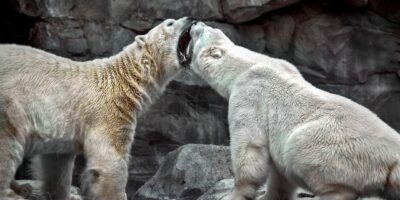
Bear cubs are born during hibernation, emerging tiny and helpless before developing into capable foragers. Whether polar bears in Arctic tundra or black bears in dense forests, cubs spend years learning from mom – climbing, swimming, finding food.
Those formative months shape everything about their adult behavior. Each bear species has distinct approaches to parenting, hunting, and survival that cubs absorb through observation and practice.
- Range from Arctic tundra to dense forests
- Stay with mother for up to two years
- Develop distinctive markings early on

Stay in the loop
Get the latest international wildlife research updates delivered to your inbox.