I mean, come on. Puppies are the gold standard of cute, and there’s a reason for that. They’re born completely blind and deaf, totally reliant on mom for those first couple of weeks. Then they open their eyes, start stumbling around on those oversized paws, and suddenly everyone in the room turns into a puddle. Their playfulness is contagious — doesn’t matter if you’re five or fifty, a puppy will pull a smile out of you.
Ducklings: Tiny Yellow Chaos
Ducklings come out of the egg looking like little fuzzy tennis balls, and within hours they’ve imprinted on their mom and are waddling after her like their life depends on it — because, well, it does. Watching a line of ducklings follow their mother into water for the first time is one of those nature moments that never gets old. They can swim almost immediately, which still blows my mind.
Lambs: Spring in Animal Form
There’s a reason lambs are synonymous with spring. They show up when the world’s waking back up, bouncing around meadows like they’ve got springs in their legs. I’ve watched groups of lambs play-fighting and chasing each other, and honestly, it’s better than anything on TV. Their little bleats and the way they stick close to mom are pure pastoral charm.
Kittens: Tiny Predators in Training
From about three weeks old, they’re pouncing on everything that moves (and plenty of things that don’t). Each one develops its own personality ridiculously fast. Some are bold explorers, others are cautious observers, and a few are just pure chaos agents.
Foals: Born Ready to Run
Foals are something else entirely. They’re standing within an hour of birth and running within a day. Those long, wobbly legs that seem way too big for their bodies eventually become the picture of grace. The bond between a foal and its mother is tight — you’ll hear them calling to each other constantly. Watching one grow from a gangly newborn into a sleek young horse is witnessing nature’s engineering at its finest.
Elephant Calves: Big Babies, Bigger Hearts
Elephant calves are born heavy — we’re talking about 250 pounds — but they’re still tiny compared to the rest of the herd. The whole family pitches in to raise them, which is pretty special. Calves grab their mom’s tail for comfort, learn social cues by watching the older elephants, and spend a surprising amount of time just playing. Their curious little trunks getting into everything is endlessly entertaining.
Piglets: Smarter Than You Think
Piglets are shockingly smart and full of personality. They pile on top of each other for warmth, squeal at absolutely everything, and root around in the dirt with this focused intensity that’s hilarious to watch. People underestimate pigs, but spending five minutes with a litter of piglets will change your mind fast.
Fawns: Nature’s Camouflage Experts
Fawns are born with those famous white spots, and they’re not just decorative — they break up the fawn’s outline in dappled forest light, making them nearly invisible to predators. They can stand and walk within hours, which is wild when you think about it. Mom will hide them in tall grass and come back to nurse, teaching them survival skills bit by bit. That transition from fragile newborn to agile runner happens faster than you’d expect.
Cubs: Fierce Future in a Fluffy Package
Lion, tiger, and bear cubs are born about as helpless as they come — blind, barely mobile, and completely dependent. But give them a few weeks and they’re wrestling each other, practicing mock hunts, and generally being adorable little terrors. It’s hard to reconcile these playful furballs with the apex predators they’ll become. That contrast is part of what makes them so fascinating to watch.
Joeys: The Pouch Life
Marsupial babies take “born early” to an extreme. Kangaroo and koala joeys are basically embryos when they’re born, making their way to the pouch where they continue developing for months. The first time a joey peeks out of its mother’s pouch is one of those nature moments that stops you in your tracks. Their journey from helpless bean to independent animal is unlike anything else in the animal kingdom.
Bunnies: Cotton-Tailed Cuteness
Baby rabbits come into the world in underground burrows, emerging wide-eyed and ready to explore in just a couple of weeks. Their twitching noses and impossibly soft fur have made them icons in children’s stories for good reason. Nature gave them rapid reproduction to offset high predation rates — a practical survival strategy wrapped in the cutest possible package.
Polar Bear Cubs: Arctic Survivors
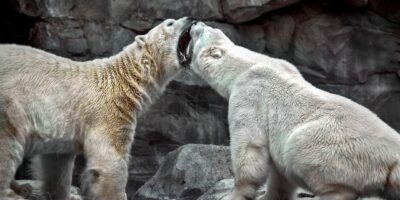
Born in one of the harshest environments on the planet, polar bear cubs rely entirely on their mother’s warmth and rich milk to make it through those first critical months. Watching cubs play on the ice, tumbling over each other while mom keeps a watchful eye, is a stark reminder of how resilience can look a lot like joy. The family bond in polar bears is incredibly strong, and it has to be — their world doesn’t leave much room for error.
Panda Cubs: Tiny Miracles
Panda cubs are born absurdly small — about the size of a stick of butter compared to a 200-pound mother. They’re pink, hairless, and completely helpless for weeks. The transformation from that to the iconic black-and-white fluffball we all recognize is remarkable. They’ve become global symbols of conservation, partly because they’re adorable and partly because saving them required such enormous effort.
Chicks: Pecking Their Way Into the World
There’s something deeply satisfying about watching a chick break through its shell. It takes real effort — those tiny beaks work hard. Once they’re out, they huddle under mom or a heat lamp, all downy feathers and tiny peeping sounds. For anyone who’s raised chickens, those first moments feel like witnessing the fundamentals of life playing out in miniature.
Red Panda Cubs: The Forest’s Best-Kept Secret
Red panda cubs spend their early days tucked into tree hollows where predators can’t reach them. With their reddish-brown fur and masked faces, they look like nature designed them specifically to make people say “aww.” They’re solitary and elusive, which makes any sighting feel special. Don’t confuse them with giant pandas, though — they’re their own thing entirely, and arguably cuter.
Wolf Pups: Pack Life Starts Early
Wolf pups are born in dens, and from day one the whole pack is invested in their survival. As they grow, the wrestling matches and howling practice sessions are peak wildlife viewing. Social learning is everything for wolves — each pup figures out its role in the hierarchy through play and observation. Those tiny howls eventually become the full-throated calls that define the wild. Pretty powerful stuff.
Hedgehog Hoglets: Prickly and Precious
Baby hedgehogs — hoglets, officially — are born with soft spines that harden over time. They’re blind and tiny, relying on mom’s milk until they can forage on their own. Once they start exploring at night, they instinctively curl into tight defensive balls at any sign of trouble. Watching a hoglet uncurl and sniff around cautiously is one of those small, perfect nature moments that sticks with you.
Sarah Chen
Author & Expert
Sarah Chen is a wildlife writer with a long-standing interest in animal behavior, conservation biology, and the ecological science that rarely makes it into mainstream coverage. She covers predator-prey dynamics, endangered species recovery, and habitat conservation — translating peer-reviewed research into clear, readable articles for a general audience. She has written over 180 articles for International Wildlife Research.




Stay in the loop
Get the latest international wildlife research updates delivered to your inbox.