Let me be upfront — the path to becoming a veterinarian is long and demanding. It starts in high school with a heavy science focus. Biology, chemistry, the works. College means a bachelor’s degree loaded with prerequisites: animal biology, genetics, physics, math. Then you’re competing to get into vet school, and trust me, those acceptance rates are brutal.
Vet school runs four years. You’re learning anatomy, physiology, pharmacology, surgery — basically everything about how animal bodies work and how to fix them when they don’t. The last couple of years are clinical rotations where you finally get hands-on with real patients. Some students discover their calling during rotations, others realize they picked the wrong specialty. Either way, it’s where the rubber meets the road.
After graduating, many vets go on to internships or residencies to specialize. We’re talking one to three more years, depending on the field. Small animal surgery, zoo medicine, internal medicine — the options are surprisingly wide. Board certification comes after that, with exams that make finals week look like a warmup.
It’s Not Just Cats and Dogs
Most people picture vets as the folks who give their golden retriever a checkup. And yeah, companion animal vets do that — vaccinations, spay/neuter, dental work, treating illnesses. But the field goes so much further.
Large animal vets are out on farms working with cattle, horses, and pigs. They’re doing surgeries in barns, advising on herd health, and dealing with situations that affect the food supply. It’s physically demanding work and nothing like a tidy suburban clinic.
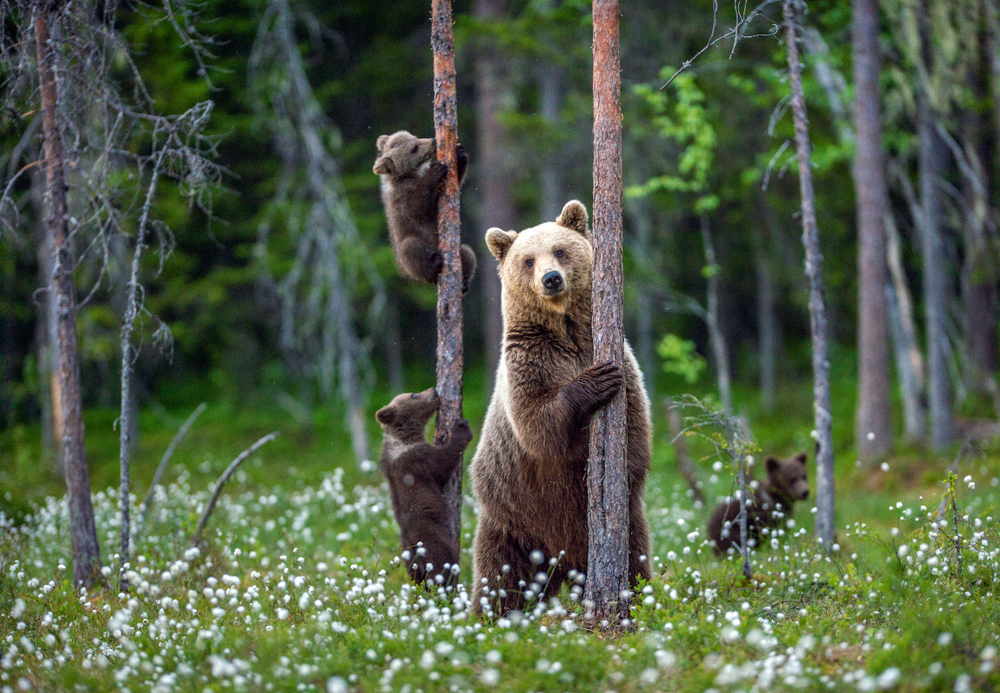
Wildlife vets work with animals in their natural habitats or in sanctuaries. They’re involved in conservation, rehabilitating injured animals, and keeping an eye on disease outbreaks that could ripple through entire ecosystems.
Zoo vets might be treating a gecko in the morning and a gorilla in the afternoon. Every species has different needs, different anesthesia protocols, different ways of telling you something hurts. It’s one of the most intellectually challenging specialties out there.
Then there are research vets working in labs, universities, and pharmaceutical companies. Their work on disease prevention and treatment benefits both animals and humans — a lot of conditions cross species lines.
Tech Is Changing the Game
Modern vet clinics look nothing like they did twenty years ago. MRIs and CT scans give vets detailed images that catch problems a standard exam would miss. Laparoscopic surgery — those minimally invasive procedures with tiny cameras — means faster recovery times and less pain for the animals. Laser therapy for pain management and wound healing is becoming standard practice in a lot of clinics too.
Telemedicine’s entered the picture as well. Vets can now consult with clients remotely for initial assessments or follow-ups. It doesn’t replace a hands-on exam, but it’s made veterinary advice more accessible, especially in rural areas where the nearest clinic might be an hour away.
The Emotional Weight of the Job
Here’s the part nobody warns you about enough. Vets see animals suffer and die on a regular basis. Compassion fatigue is a real and serious issue in this profession. You’re constantly trying to balance genuine empathy with the clinical objectivity needed to do your job well. Some days that balance tips, and it takes a toll.
But ask any vet why they stay, and they’ll tell you about the saves. The cat that came in barely breathing and walked out purring. The horse that recovered from a leg injury everyone thought was career-ending. Those moments of genuine impact are what keep people in this field despite the hard days.
The financial picture is mixed. The career itself is stable, and public respect for vets is consistently high. But vet school debt is significant — we’re talking six figures for many graduates. It’s a real factor that shapes career decisions early on.
Where Vet Medicine Is Headed
Continuing education stays front and center as new discoveries and tech reshape what’s possible.
The “One Health” concept — connecting human, animal, and environmental health — is gaining real momentum.
Urbanization is shifting demand, with more vets needed in cities and fewer in rural areas.
Public-private partnerships are growing, especially around global health and biosecurity.
Cross-disciplinary collaboration between vets and human doctors is becoming more common, which benefits everyone.
The vet life isn’t glamorous, and it’s definitely not easy. But it’s one of those careers where the work genuinely matters — to individual animals, to public health, and to the ecosystems we all depend on. Whether someone’s working in a busy urban clinic, driving out to remote farms, or doing research in a lab, they’re making a difference that goes well beyond what most people see.
Sarah Chen
Author & Expert
Sarah Chen is a wildlife writer with a long-standing interest in animal behavior, conservation biology, and the ecological science that rarely makes it into mainstream coverage. She covers predator-prey dynamics, endangered species recovery, and habitat conservation — translating peer-reviewed research into clear, readable articles for a general audience. She has written over 180 articles for International Wildlife Research.



Stay in the loop
Get the latest international wildlife research updates delivered to your inbox.