
.. there are lists everywhere, everyone’s got an opinion, and half the internet seems to revolve around animal photos at this point. Today, I will share it all with you.
Honestly, I think most of us can’t scroll through our phones for five minutes without stopping to stare at some fluffy little face. But have you ever wondered why? What is it about certain animals that just melts us? Let’s get into it.
Why Do We Find Animals Cute?
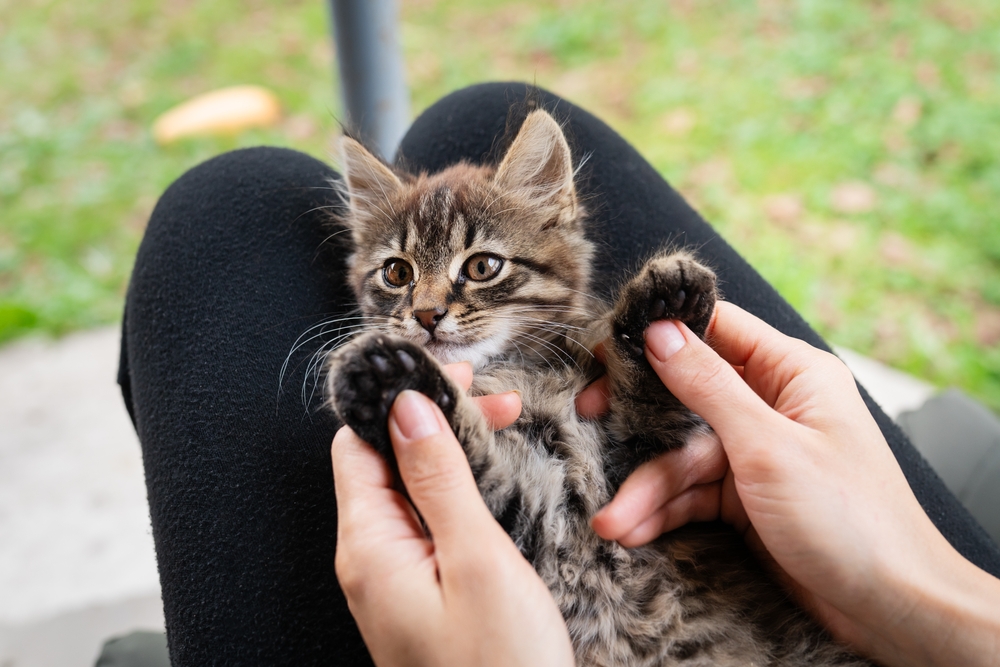
The reason we go weak in the knees over round-faced, big-eyed creatures comes down to something hardwired in our brains. It’s called baby schema — or Kindchenschema if you want to get technical about it. Basically, features that remind us of human babies (big eyes, chubby cheeks, tiny noses) trigger this deep protective instinct we can’t really override.
There’ve been actual studies on this. Researchers found that animals sporting these baby-like features make us feel warm, nurturing, and fiercely protective. It doesn’t matter where you’re from or what culture you grew up in — it’s pretty much universal. I’ve watched hardened field researchers turn into absolute mush over a baby otter, so trust me, nobody’s immune.
Not every animal hits those cute buttons, of course. But the ones that do? They become global sensations practically overnight.
Fennec Fox
I’ll never forget the first time I saw a fennec fox up close. Those ears are genuinely absurd — they look way too big for that tiny body. But here’s the thing: those oversized ears aren’t just for show. They actually help the fox dump excess body heat in the scorching Sahara Desert, and they’re so sensitive the fox can hear prey moving underground.
The fennec fox is small, has those big round eyes, and moves with this bouncy, playful energy that’s honestly hard to resist. They’re wild animals through and through, but watching one hop around the desert sand? You’ll understand why people fall in love with them instantly.
Quokka
If you haven’t seen a quokka yet, you’re in for a treat. These little Australian marsupials have been called “the world’s happiest animal,” and I can see why. The shape of their mouths gives them this permanent smile that just radiates good vibes. I’ve seen photos of tourists posing with quokkas for selfies, and honestly the quokka always looks more photogenic.
They’re surprisingly approachable for wild animals, which is part of their charm. But I always remind people — they’re still wild creatures, and they deserve our respect. Don’t go trying to pick one up just because it smiled at you.
Red Panda
Red pandas are one of those animals that make you do a double-take. They’ve got this gorgeous rust-colored fur, a bushy ringed tail, and they look more like a raccoon crossed with a teddy bear than anything related to a giant panda. They live up in the Himalayan forests, and on cold nights they’ll actually wrap that big fluffy tail around themselves like a blanket.
They’re solitary bamboo-munchers for the most part, just doing their own thing high up in the trees. I could watch them for hours, and I have.
Axolotl
Axolotls are wild. And I mean that in every sense of the word. These little amphibians, native to certain lakes in Mexico, walk around with what looks like a permanent grin on their faces. They’ve got these feathery external gills fanning out from their heads, and they never really “grow up” in the traditional sense — it’s a trait called neoteny, where they keep their juvenile features into adulthood.
Here’s the really cool part: axolotls can regenerate entire limbs. Lose a leg? No problem, they’ll grow it back. That’s made them incredibly valuable for regenerative medicine research. But setting the science aside, they’re just genuinely charming little creatures. Amphibian fans are obsessed with them, and it’s not hard to see why.
Koala
I’ve spent time around koalas in Australia, and they’re even cuter in person than you’d expect. Those round, fuzzy ears and little button noses just get you. They spend most of their day wedged into the fork of a eucalyptus tree, sleeping or lazily munching on leaves. And despite what a lot of people think, they’re not bears — they’re marsupials, just like kangaroos.
Their diet is pretty specialized and honestly kind of odd. Eucalyptus leaves are tough, low in nutrition, and even mildly toxic. But koalas have adapted to handle it, and they don’t seem bothered in the slightest. They just sit up there, chewing away, looking absolutely adorable.
Sloth
There’s something deeply relatable about a sloth. They hang upside down in the rainforests of Central and South America, moving at a pace that makes you wonder if they’ve figured out something about life the rest of us haven’t. I’ve watched sloths in the wild, and their calm, slow-motion existence is weirdly soothing.
They’ve got big, round faces and these long arms that make every movement look like it’s happening in slow-motion replay. Their whole vibe screams “take it easy,” and in a world that’s always rushing, I think that’s part of what draws people to them. That and the fact that they’re undeniably, ridiculously cute.
Sea Otter
Sea otters might be my personal weakness. I’ve watched them float on their backs, holding hands with each other so they don’t drift apart while sleeping — and yes, it’s exactly as adorable as it sounds. They’re also tool users, cracking open shellfish with rocks balanced on their bellies. Pretty clever for a creature that looks like a wet teddy bear.
Their thick fur keeps them insulated in frigid ocean waters, and their expressive little faces and social personalities make them a joy to observe. Sea otters were nearly hunted to extinction at one point, so ongoing conservation efforts are critical to keeping these playful mammals around for future generations.
Hedgehog
Don’t let the spiky exterior fool you — hedgehogs are surprisingly gentle creatures. When they feel threatened, they curl into a tight little ball of spines, which is both an effective defense mechanism and somehow still cute. I’ve held a few tame ones, and once they relax and uncurl, those tiny snouts and curious eyes are impossible not to love.
They’ve gotten really popular as pets in recent years, but I always tell people to do their homework first. Hedgehogs need specific care — the right temperature, the right diet, plenty of space to roam at night.
Penguin
There’s a reason penguins show up in basically every “cutest animals” list ever made. That tuxedo look, the waddling walk, the way they belly-slide across ice — it’s all impossibly charming. Most penguins live in the Southern Hemisphere, with emperor penguins braving the brutal Antarctic winters through some seriously impressive teamwork.
Emperor penguin dads, in particular, deserve a shout-out. They huddle together for warmth while balancing an egg on their feet for months. The community behavior, the dedication to their young, the playful way they interact with each other — watching a penguin colony is one of those experiences that reminds you why the natural world is so special.
Pika
I’ll be honest, pikas don’t get nearly enough love. These tiny mammals are related to rabbits, and they live in cold, rocky mountain environments where most of us would struggle to survive a weekend. They’re small, round, and they make these high-pitched little calls that echo across the mountainside — it’s like nature’s version of a squeaky toy.
What worries me is that pikas are incredibly sensitive to rising temperatures. They’re considered an indicator species for climate change, and conservationists are watching their populations closely. Their dainty frames and energetic little movements make them a joy to observe in the wild, and I really hope we can keep it that way for a long time to come.



Stay in the loop
Get the latest international wildlife research updates delivered to your inbox.