Newborn puppies? They’re basically sensory blanks. Born completely blind and deaf, they get around using nothing but touch and smell. Those first two weeks — what researchers call the neonatal period — look pretty boring from the outside. Sleep. Eat. Grow. Repeat. But here’s the thing: inside those tiny skulls, neural connections are firing and forming at a rate that’d blow your mind.
Then around day fourteen, boom — everything shifts. Their eyes crack open. Ears start working. The world just floods in. I still remember sitting with a litter at this stage, watching a puppy flinch at the dishwasher kicking on. That same sound had been running for two weeks straight and they’d never reacted. Suddenly reflexive movements turn into genuine curiosity. You can almost see personality taking shape right in front of you.
Why Socialization Matters So Much
Week three is when the socialization window opens, and I can’t stress enough how big of a deal this is. I’ll admit I’m one of those foster parents who gets borderline obsessive about this phase, but it’s because what happens here shapes who these dogs become as adults.
This is when puppies start really engaging with their littermates and with people. Play-fighting teaches bite inhibition — basically learning how hard is too hard. They start reading body language, picking up on signals from siblings and humans alike. A puppy that doesn’t get this exposure? It often struggles with social cues for the rest of its life, and that’s heartbreaking to see.
I’m talking different people, different floor textures, different noises, different everything. Puppies that get that rich variety of exposure adapt way better to new situations down the road and develop fewer behavioral issues. The shy, fearful dogs I’ve met almost always had impoverished early environments. It’s not a coincidence.
Getting Health and Nutrition Right
Nutrition during these early weeks lays the groundwork for pretty much everything that follows. Mother’s milk handles the first stretch perfectly — it’s literally designed for puppy development. But when mom isn’t in the picture, you’ve gotta use a specialized puppy milk replacer. Don’t reach for regular cow’s milk. I know it seems like it’d work, but the nutrient ratios are all wrong and it’ll cause more problems than it solves.
Weaning kicks in around week three or four. I learned to make this gruel — basically puppy kibble mashed into soft mush — and just let the curious ones explore it on their own terms. Fair warning: it’s incredibly messy. Paws in the bowl, faces covered, food everywhere. But it works. The key is making that transition from liquid to solid gradual. Rushing it leads to digestive problems, and nobody wants to deal with that at 2 AM.
Growing pups need protein-heavy diets and frequent meals. Their stomachs are tiny, so four smaller feedings a day works way better than two big ones. Keep fresh water available at all times. Dehydration in puppies can escalate from mild to serious frighteningly fast — that’s one I learned the hard way early on.
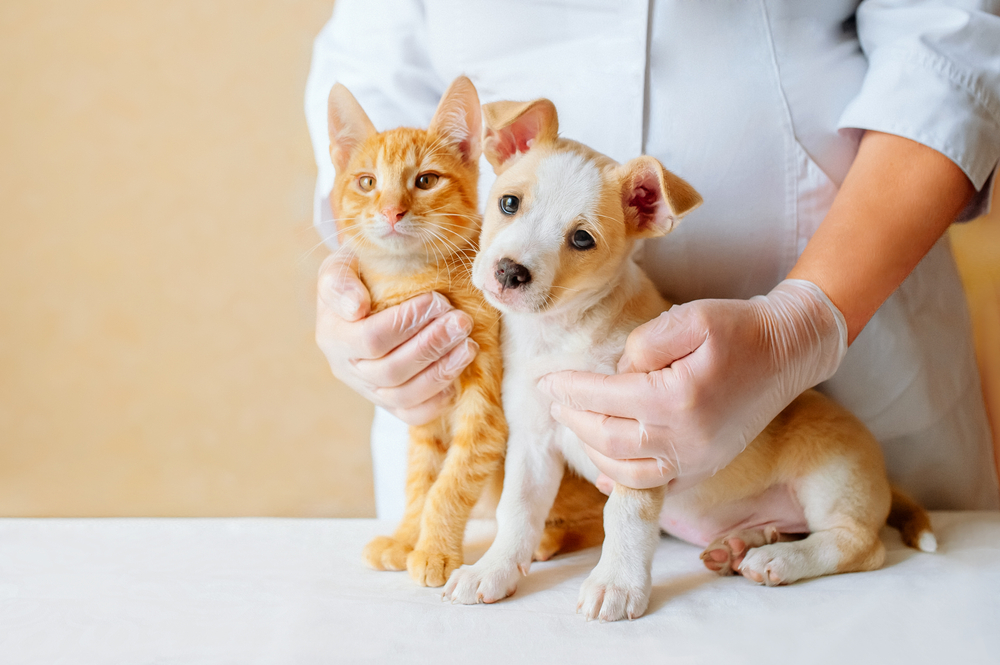
And vet visits? Non-negotiable. Early health screenings catch stuff before it snowballs. I’ve personally seen early intervention save puppies that would’ve struggled with lifelong issues if we’d waited even another week. Don’t skip the appointments.
What Puppy Behaviors Actually Mean
Everything goes in the mouth. Every single thing. Shoes, fingers, furniture legs, other puppies — it all gets chewed and tested. This drives new owners crazy, but it’s not misbehavior. It’s how they learn about their world. Give them appropriate chew toys and keep an eye on them. That channels the energy somewhere productive instead of toward your baseboards.
Here’s something that surprises a lot of people: you can start basic training way earlier than you’d think. Puppies as young as eight weeks can pick up simple commands. “Sit.” “Stay.” “Come.” These lay the groundwork for everything else you’ll teach them later. And positive reinforcement — treats, praise, excited voices — works dramatically better than punishment. I’ve seen the difference firsthand across dozens of litters. Puppies that get encouragement learn faster, period.
House training is the one that tests your patience the most. Puppies have tiny bladders and limited control over them. Take them outside regularly — especially right after eating, waking up, and playing — and you’ll start building a pattern. Accidents will happen. They just will. Stay calm about it. Consistency wins this game eventually, even when it doesn’t feel like it in the moment.
The Real Truth About Puppy Ownership
Fostering taught me something I didn’t expect: puppies are simultaneously the best and most exhausting houseguests you’ll ever have. They need constant attention when they’re awake. They interrupt your sleep. They create messes in places you didn’t know messes could exist. But they pay back every second of that investment with personality, with affection, and with growth you can literally watch happening day to day.
Here’s what nobody tells you going in — the effort you pour into those first few weeks echoes through that dog’s entire life. A well-socialized, properly trained puppy turns into an adult dog that fits into families, neighborhoods, and new situations without constant struggle. That’s the payoff, and it’s a big one.
I won’t sugarcoat it: caring for puppies is genuinely hard work. Some mornings at 3 AM with a whimpering litter, I absolutely questioned my life choices. But then you watch those same puppies grow into confident, healthy little dogs that are ready for their forever homes, and it makes every sleepless night worth it. Understanding their development — from those first blind, deaf days all the way through socialization and beyond — turns what feels like chaotic puppy energy into something that actually means something.
Sarah Chen
Author & Expert
Sarah Chen is a wildlife writer with a long-standing interest in animal behavior, conservation biology, and the ecological science that rarely makes it into mainstream coverage. She covers predator-prey dynamics, endangered species recovery, and habitat conservation — translating peer-reviewed research into clear, readable articles for a general audience. She has written over 180 articles for International Wildlife Research.


Stay in the loop
Get the latest international wildlife research updates delivered to your inbox.