
Today, I will share it all with you.
I’ll be honest — I didn’t always think much about why puppies and kittens get along. I just assumed it was cute and moved on. But the more I watched my own pets interact, the more I realized there’s real science and real warmth behind what’s going on when a puppy curls up next to a kitten.
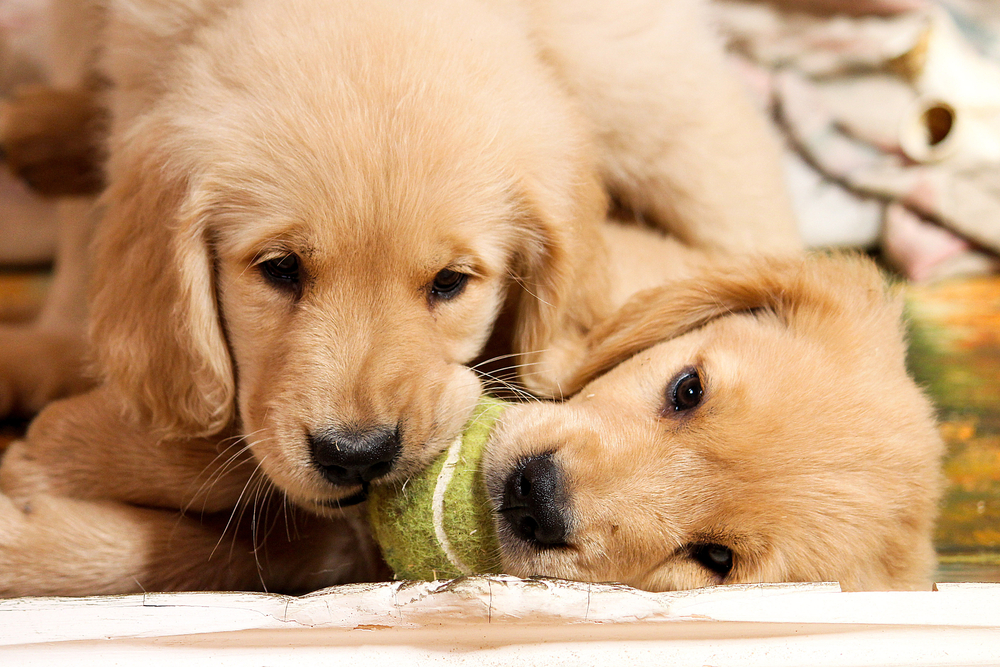
Why We Can’t Look Away From Cute Animals
There’s a reason you stop scrolling the second you see a puppy nuzzling a kitten. It’s not just you being soft. It’s biology. Puppies and kittens have features — big round eyes, tiny noses, squishy little faces — that tap straight into our nurturing instincts. We’re basically hardwired to melt.
This whole thing has a name, actually. It’s called “baby schema,” and an ethologist named Konrad Lorenz came up with the idea. Big eyes, small chins, round faces — these features trigger caregiving behavior in humans. Doesn’t matter if it’s a human baby or a fluffy kitten staring up at you. Your brain reacts the same way. You want to protect them, hold them, make sure they’re okay.
How Puppies Grow Up (Faster Than You’d Think)
Understanding how puppies develop helps explain why they’re so open to bonding with kittens in the first place.
Right after birth, puppies enter what’s called the neonatal stage. This lasts roughly two weeks, and they’re basically helpless — eyes shut, ears closed, totally dependent on mom. It’s a lot of sleeping and eating. Not much else happening.
Then comes the transitional period, which is about a week long. Their eyes crack open. Ears start working. They begin wobbling around and checking out their surroundings. You can see them starting to notice their littermates for the first time. It’s pretty fascinating to watch.
The socialization window is where things get really important. From around three weeks to twelve weeks, puppies are learning how to be dogs. They figure out how to play, how to read body language, how to interact with people and other animals. This is the sweet spot for introducing them to a kitten friend. If they meet during this period, they’re way more likely to form a genuine bond.
After three months, they hit the juvenile stage. They’re getting more independent, more confident. Training matters a lot here, and so does continued exposure to different animals and situations.
How Kittens Develop (Equally Fast, Slightly Different)
Kittens follow a similar path, though the timing’s a bit different. They’re born blind and deaf, just like puppies, and spend those first two weeks glued to their mother. It’s survival mode.
Around ten days in, their eyes start opening. Ears kick in shortly after. By three weeks they’re getting mobile, curious, and a lot more fun to watch. This transitional phase wraps up around week three.
Their socialization period runs from about three to nine weeks. During this stretch, they’re learning how to play, communicate, and interact. If you want a kitten who’s comfortable around dogs, this is when you introduce them. The bonds formed here tend to stick.
By three months, kittens are in their juvenile phase. They’re displaying more complex behaviors, and training during this time shapes who they’ll be as adult cats. I’ve found that kittens who grow up around a gentle puppy tend to be more confident and less skittish overall.
Puppy Behaviors That Make Cuddling Possible
Puppies are playful by nature. That’s not just adorable — it’s functional. Play helps them develop motor skills, learn social cues, and build connections with whoever’s around. Including kittens.
- Nipping and mouthing are totally normal. They’re practicing skills they’d use in the wild. A kitten who grows up with a puppy learns to handle this without getting stressed about it.
- Chewing on everything is another classic puppy move. They explore the world mouth-first, and it helps with teething discomfort too. You’ll want to keep an eye on this around smaller kittens, obviously.
- Barking serves as communication. Puppies bark when they’re excited, want attention, or sense something new. A kitten who hears this daily just learns to tune it out.
Kitten Behaviors That Complement the Dynamic
Kittens bring their own energy to the relationship. Their play style is different — more stalking, pouncing, and ambushing — but it meshes surprisingly well with puppy play.
- Scratching is instinctive for them. It’s about nail maintenance and territory marking. A puppy generally doesn’t care about this at all, which makes cohabitation smoother.
- Kittens vocalize in ways that are specifically aimed at humans — meowing, purring, the occasional hiss. Puppies learn to read these cues too, which is pretty remarkable when you think about it.
- Grooming starts early with kittens. They learn to clean themselves within weeks. I’ve actually caught kittens grooming their puppy friends, which might be the most heartwarming thing I’ve ever witnessed.
Socialization Is the Secret Ingredient for Puppies
I can’t stress this enough: early socialization changes everything. A puppy that’s been exposed to different people, animals, textures, sounds — that puppy grows into a dog who can handle pretty much anything. Including a kitten climbing on its head.
When you introduce puppies to new experiences in a positive way, you’re reducing the chance they’ll develop fear-based behaviors later. I’ve seen poorly socialized dogs who panic at the sight of a cat. And I’ve seen well-socialized dogs who let kittens sleep between their paws. The difference always comes down to those early months.
Why Kitten Socialization Matters Just as Much
Same goes for kittens. Early handling and exposure make a world of difference. A kitten who’s been gently held by humans, introduced to calm dogs, and given space to explore at their own pace? That kitten grows into a confident, adaptable cat.
Kittens who miss out on this window often struggle with anxiety and fear around other animals. But the ones who get that early positive contact with puppies tend to form the kind of bonds you see in those viral cuddling videos. Except it’s real, not staged.
Keeping Your Puppy Healthy for Cuddle Time
A healthy puppy makes a better cuddle buddy. Regular vet visits, vaccinations, and deworming are non-negotiable. You don’t want to introduce a sick puppy to a kitten — that’s a recipe for trouble.
Diet matters too. Puppies need more frequent meals than adult dogs, and the food should be high quality. I feed mine three times a day until they’re about six months old, then switch to twice daily. Fresh water always available, no exceptions.
Exercise is important, but don’t overdo it. Puppy joints are still forming, especially in larger breeds. Short play sessions with a kitten friend are actually perfect — gentle enough to avoid injury, engaging enough to burn off energy.
Keeping Your Kitten in Good Shape Too
Kittens need their own vet schedule. Vaccinations for feline-specific diseases, deworming for parasites, and regular checkups to catch anything early. I’ve learned the hard way that skipping even one appointment can lead to problems down the road.
Good kitten food makes a noticeable difference in their energy and coat quality. Younger kittens eat more frequently — about four times a day at first, tapering down as they grow.
Enrichment and play aren’t optional. Toys, climbing structures, interactive games — these keep kittens physically fit and mentally sharp. And when they’ve burned off enough energy playing? That’s when they curl up next to a warm puppy and the cuddling begins.
Picking the Right Breeds for Cross-Species Friendships
Not every dog breed takes naturally to cats, and not every cat breed tolerates dogs. It’s worth doing some homework before you try to create a cuddling duo. Some dog breeds — like Golden Retrievers, Beagles, and Cavalier King Charles Spaniels — tend to be gentler and more accepting of feline companions.
On the cat side, breeds like Ragdolls, Maine Coons, and Birmans are generally more social and dog-friendly. But honestly, individual temperament matters more than breed. I’ve met mutts who adore cats and purebreds who can’t stand them. Pay attention to the actual animal in front of you.
The Real Reward of Watching Them Grow Together
Raising a puppy and kitten together isn’t easy. It takes patience, attention, and a willingness to referee the occasional disagreement. But the payoff? Watching two completely different species choose each other for comfort, warmth, and companionship? There’s nothing else like it.
I’ve spent years observing these relationships form, and every single time it still gets me. The trust they build, the routines they develop, the way they seek each other out when it’s time to rest — that’s not something you can fake with a camera and a treat. That’s a real bond, and it’s one of the most rewarding things you’ll ever see as a pet owner.




Stay in the loop
Get the latest international wildlife research updates delivered to your inbox.