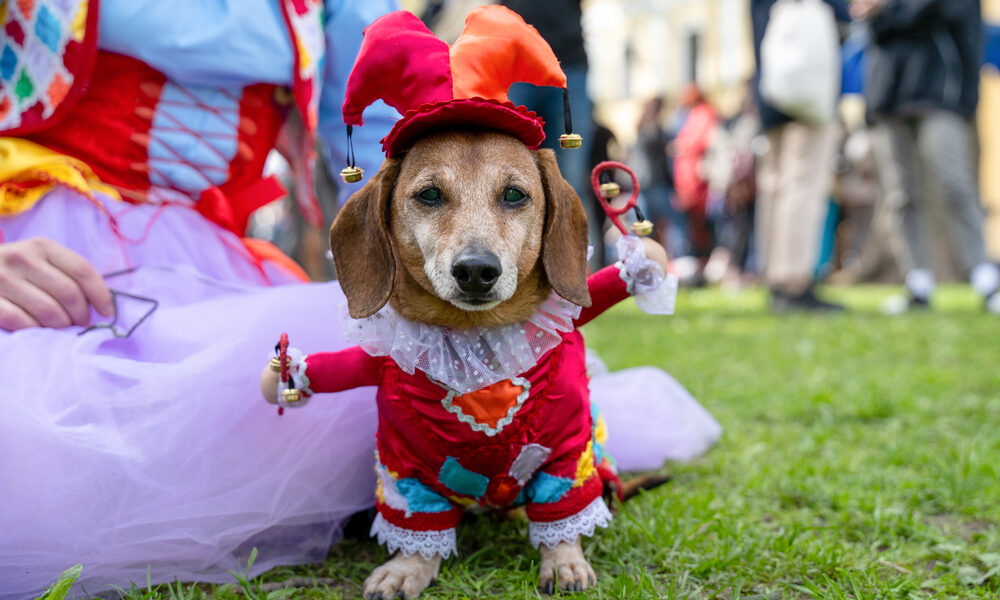
Puppy Parade: A Heartwarming Guide to Adorable Happiness
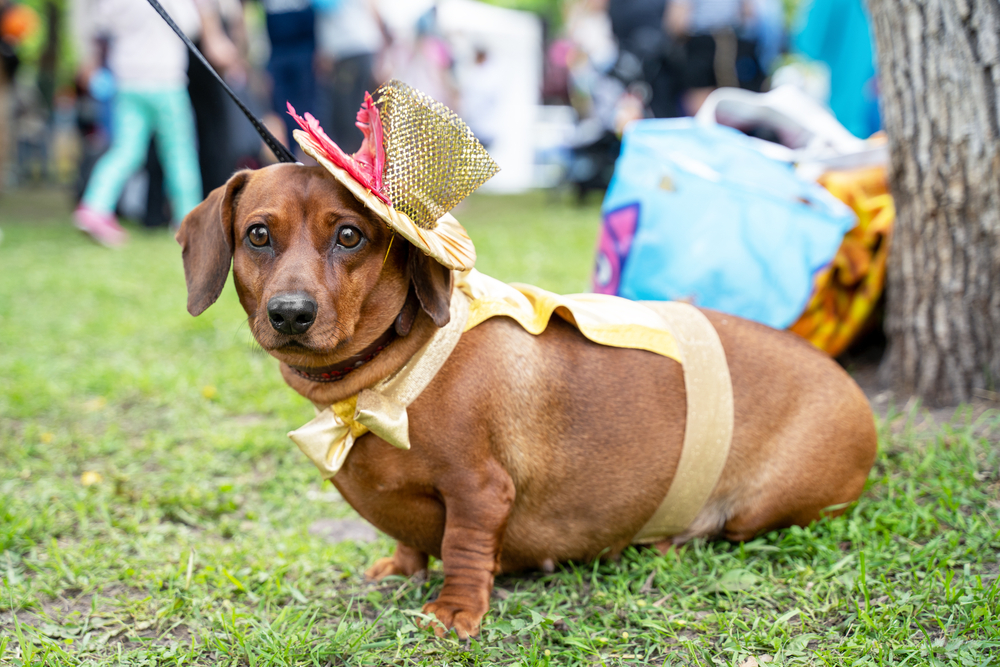
I’ve never met a puppy I didn’t want to take home. Seriously, every single one. There’s something about those little wiggling bodies and tails going a hundred miles an hour that just gets me. If you’re anything like me, you already know that puppies hold a special place in our families — they don’t just live in our homes, they rearrange our whole lives around them. And honestly? We’re better for it. Let’s dig into what makes puppies so irresistible and how they impact our daily lives in ways we don’t always expect.
The Science of Puppy Cuteness
Because here’s what blew my mind when I first started reading about it: when you cuddle a puppy, your brain literally floods with oxytocin. That’s the same hormone that bonds parents to their babies. It’s not just “oh, that’s cute” — it’s a full-on chemical reaction happening in your body. Your brain sees that puppy and decides, yep, I’m attached now. That’s why so many of us fall head over heels for a dog we met five minutes ago. I’ve done it. You’ve probably done it too.
Puppies have these oversized eyes compared to their heads, and their faces are round with tiny little noses and those floppy ears we can’t stop touching. Turns out, those features aren’t cute by accident. They mimic the exact traits humans are wired to recognize as signs of youth and vulnerability. We see a puppy and our brains basically say “protect this creature at all costs.” It’s not just a human quirk either — it taps into deep biological wiring meant for nurturing.
The Role of Puppies in Canine Development
Here’s something I wish someone had told me before I got my first puppy: those early months aren’t just about surviving the chaos. They’re actually the most important developmental window your dog will ever have. During puppyhood, they’re picking up critical life skills from their mom and siblings — things like bite inhibition (so they learn not to chomp down too hard), basic social cues, and how to communicate. They figure out barking, growling, whimpering, the whole range. It’s like watching a tiny furry person learn a language in fast forward.
I can’t stress this enough: early socialization changes everything. When I exposed my pup to different people, sounds, textures, and environments early on, the difference was night and day compared to dogs I’ve known that missed that window. A puppy who’s been properly socialized grows into a confident, calm adult dog who doesn’t freak out at every new thing. Potty training, routine building, all of that starts during this time too. The experiences you give them now genuinely shape who they become as adult dogs. It’s a lot of work, but it pays off tenfold.
Health and Well-being of Puppies
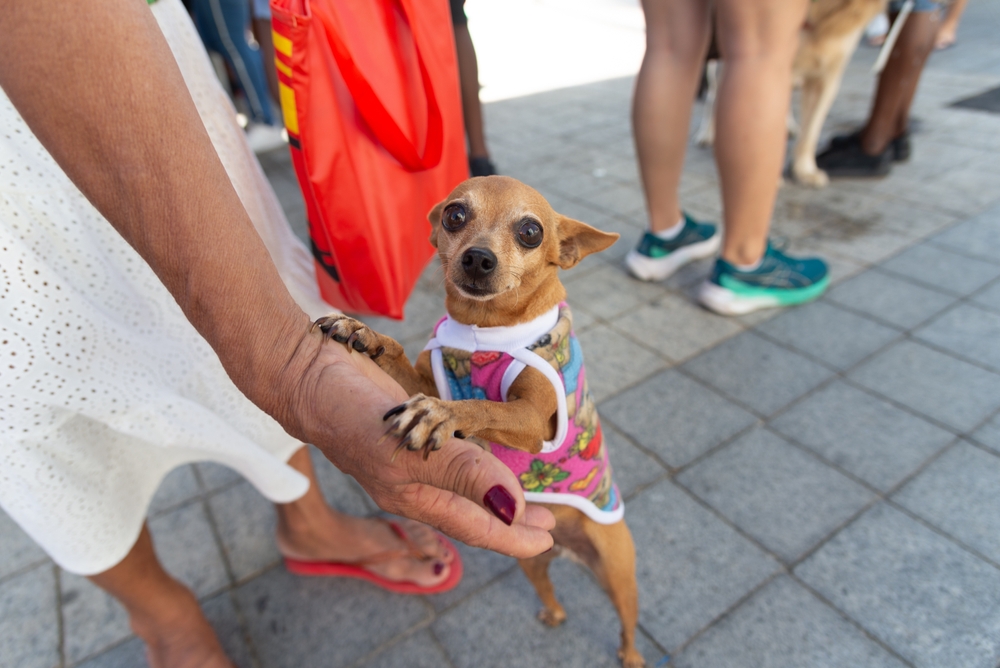
Feeding a puppy isn’t as simple as grabbing whatever bag of kibble is on sale. Trust me, I learned that the hard way. These little guys need a diet packed with protein, healthy fats, and the right vitamins to support all that rapid growing they’re doing. There are puppy-specific formulas out there, and they exist for a reason — adult dog food just won’t cut it. And then there are the vet visits. Vaccinations start early to protect against scary stuff like parvovirus and distemper. I remember being shocked at how many appointments we had in those first few months, but every single one matters.
Something nobody warns you about? The energy levels. Puppies go absolutely bonkers for twenty minutes, then crash like they haven’t slept in a week. It’s hilarious and exhausting in equal measure. Regular playtime and exercise keep them from turning your furniture into a chew toy graveyard. Speaking of chewing — that’s totally normal during teething, but you’ve got to redirect it. Get them appropriate chew toys early and save yourself a pair of shoes. Or three. I lost count with my last pup, honestly.
Training and Behavior
Training a puppy takes patience. Real patience. Like, more than you think you have. But here’s the good news: puppies genuinely want to make you happy. They’re wired for it. That eagerness to please is your biggest tool, and positive reinforcement is how you tap into it. I’m talking treats, praise, all the good stuff. Start with the basics — sit, stay, come — and build from there. Every time your puppy nails a command and you reward them, you’re not just teaching a trick. You’re building trust. You’re strengthening that bond between you two, and that foundation makes everything else easier down the road.
Now, behavioral problems? They’re going to happen. That’s just reality. Nipping, jumping on guests, chewing things they shouldn’t, barking at three in the morning for no apparent reason. I’ve been through all of it. The key is figuring out why they’re doing it. Most of the time, a puppy acting out is a puppy that’s bored, overstimulated, or hasn’t learned boundaries yet. Redirect that energy into something productive — puzzle toys, training sessions, a good long walk. Mental stimulation is just as important as physical exercise. Once I figured that out, the unwanted behaviors dropped off dramatically.
The Emotional Impact of Having a Puppy
I’m not going to sugarcoat it — getting a puppy changed my life in ways I wasn’t expecting. Sure, there’s the obvious stuff like companionship. But it goes deeper than that. On days when I didn’t want to get out of bed, my puppy needed me to. She didn’t care about my bad mood. She just wanted breakfast and a walk, and somehow that pulled me through more tough mornings than I can count. Studies back this up too — spending time with a puppy genuinely lowers your stress levels and can even bring down your blood pressure. The responsibility of caring for another living thing gives you a sense of purpose that’s hard to find elsewhere.
Research shows that interacting with puppies can reduce symptoms of depression and anxiety. They give you a reason to stick to a routine, to get outside, to move your body. And watching them grow from a clumsy little fluffball into a full-grown dog with a personality all their own? Those memories stick with you forever. I still get emotional thinking about my pup’s first successful “sit.”
Selecting the Right Puppy for You
Picking a puppy is one of those decisions that deserves way more thought than most people give it. I’ve seen friends fall in love with a breed on Instagram, bring one home, and then realize they can’t keep up with a dog that needs four hours of exercise a day. Your lifestyle matters. Your living situation matters. Whether you’ve got kids, other pets, a tiny apartment or a big yard — all of that factors in. Do your homework on breed characteristics before you commit. Some dogs are couch potatoes. Others will literally climb your walls if they don’t get enough stimulation. Know what you’re signing up for.
And please, don’t overlook adoption. I know everyone wants a specific breed sometimes, and that’s fine. But shelters are full of amazing puppies who need homes, and adopting one of them is genuinely one of the best things you can do. You’re saving a life, plain and simple. If you do go the breeder route, do your research. Find someone reputable who prioritizes health testing and the well-being of their dogs over making a quick buck. There are way too many puppy mills out there still operating, and they’re counting on people not asking questions.
The Lifelong Commitment of Puppy Ownership
This part doesn’t get talked about enough. A puppy isn’t a phase — it’s a commitment that’s going to last ten, twelve, sometimes fifteen years or more. That cute little ball of fur is going to grow up, and they’re going to need you every single day of their life. Vet bills, training, food, grooming, the occasional emergency at two in the morning — it adds up. I’m not saying this to scare anyone off. I’m saying it because too many puppies end up in shelters when people realize they weren’t ready for the long haul.
But here’s the flip side: those years are some of the best you’ll ever have. Watching your puppy grow through every stage — from the manic puppy phase to the awkward adolescent period to those calm, dignified senior years — it’s genuinely one of life’s great joys. Each stage comes with its own challenges, sure. But it also comes with its own rewards. The dog who used to eat your socks eventually becomes the one who quietly lays their head in your lap when you need it most. Understanding what they need at every age is what makes the whole journey work.
Bringing a Puppy Home: First Steps
Before that puppy comes through your door, you’ve got prep work to do. I’m talking about getting down on your hands and knees and looking at your home from puppy height. Loose wires? Hide them. Toxic plants? Move them. Anything small enough to swallow? Gone. Set up a cozy spot with a bed, food and water bowls, and maybe a crate if that’s your approach. That little designated area becomes their safe space, the spot where they know everything’s okay. It made a huge difference for my pup to have her own corner of the house from day one.
The first few days can be rough — for both of you. Your new puppy just left everything they’ve ever known, so cut them some slack. Introduce them to family members one at a time, keep things calm, and don’t rush introductions with other pets. Build a routine as fast as you can because consistency is comfort to a confused little dog. Same feeding times, same potty schedule, same bedtime. It sounds tedious but it works. Patience and understanding right from the start set you both up for years of a bond that honestly nothing else in life quite compares to.



Stay in the loop
Get the latest international wildlife research updates delivered to your inbox.