Today, I will share it all with you.
Table of Contents
Why Cat Cuteness Runs Deeper Than You Think
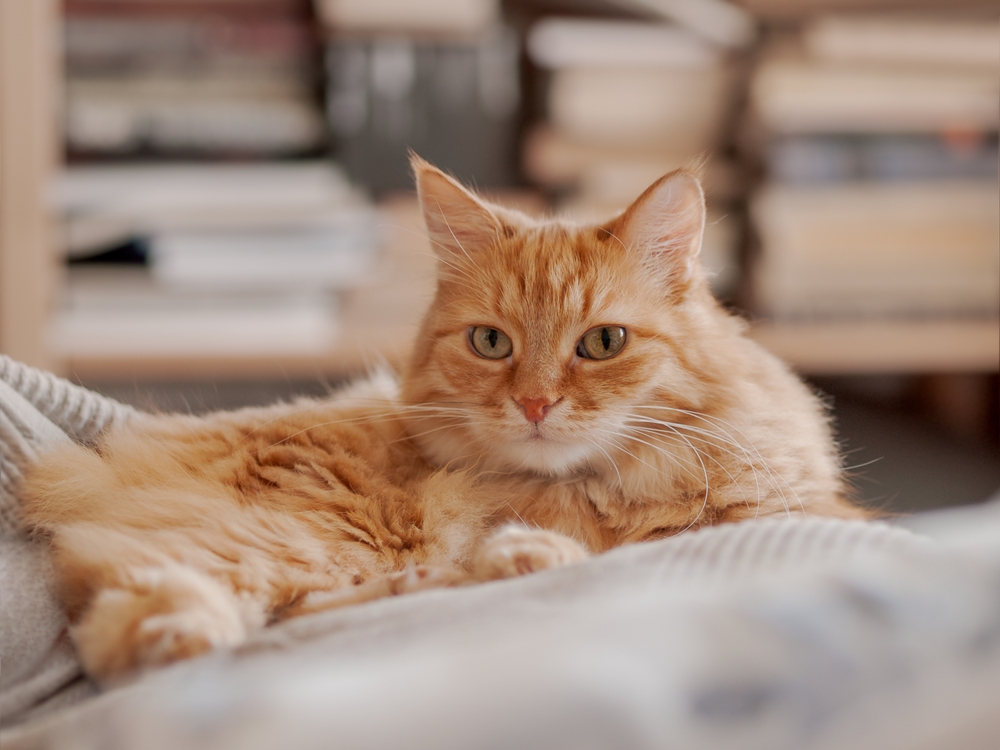
I’ve been around cats my entire life, and I still can’t fully explain the hold they have on me. There’s something about the way a cat looks at you — half interested, half judging — that just hooks you in. Their behaviors are whimsical, sometimes bizarre, and always a little mysterious. But it goes way beyond personality. The science behind why we find them so irresistible actually dives into biology, psychology, and even a bit of folklore. It’s a rabbit hole, and I went all the way down it.
The Biological Foundations of Feline Cuteness
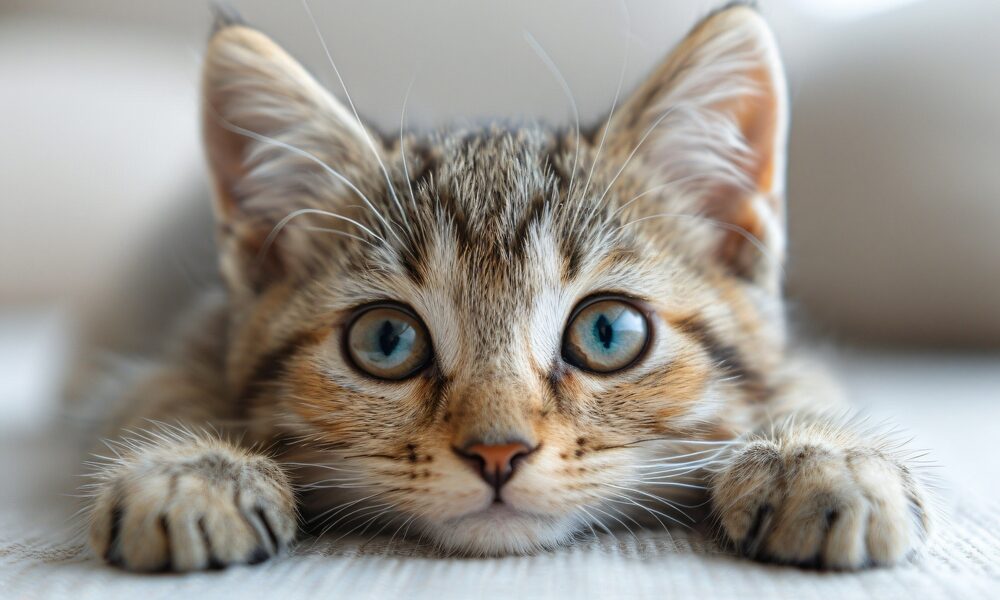
If you’ve ever wondered why you turn into mush around a kitten’s face, there’s hard science behind it. Cats have these ridiculously large eyes relative to their head size — bigger, proportionally, than most mammals. And our brains are basically wired to respond to that. It’s called the “baby schema effect.” Basically, anything with big eyes, a round face, and a small nose triggers our nurturing instincts. Cats hit every single one of those markers.
Their faces are almost perfectly designed to exploit this. The small nose, the tiny mouth — it all makes those enormous eyes the focal point. Then there’s the fur. Soft, warm, and it just begs you to reach out and touch it. It’s not only a tactile thing either. Visually, fluffy fur signals something safe and cuddly, and our brains eat that up. I can’t walk past a long-haired cat without stopping. It’s involuntary at this point.
Behavioral Quirks and Their Appeal

Okay, let’s talk about the stuff cats actually do that makes us lose our minds. Kittens are obvious — they’ll pounce on their own shadow and attack invisible enemies with zero warning. It’s hilarious. You could watch it for hours and never get bored. But here’s the thing that surprises people: adult cats keep a lot of that playfulness. My 8-year-old tabby still goes absolutely bonkers over a crinkle ball at 2 AM. It never stops being entertaining, even when it’s mildly inconvenient.
And then there’s purring. I don’t think people appreciate purring enough. When a cat curls up on your lap and starts that low rumble, something just shifts in your body. Your shoulders drop. Your breathing slows. It’s not just a feel-good moment — there’s actual research suggesting that a cat’s purr frequency can lower stress levels and even promote healing. I’m not saying my cat is a licensed therapist, but he’s doing the work for free.
The Role of Cats in Culture
Cats haven’t just been hanging out in our living rooms — they’ve been woven into human culture for thousands of years. Ancient Egyptians didn’t just like cats; they worshipped them. Households had sculptures of Bastet, the goddess who was depicted with a lioness head and later associated with the domesticated cat. That’s not casual pet ownership. That’s reverence on a whole other level.
Then you’ve got the Japanese ‘Maneki-neko,’ or the beckoning cat. You’ve seen it — it’s that little cat figurine with one paw raised, sitting in shop windows. It’s supposed to bring good luck and prosperity. There’s a weight to the way humans have valued cats, and it hasn’t faded.
Cats in Media and Popularity
You can’t spend five minutes on the internet without tripping over a cat video. And I’m not complaining. From Grumpy Cat (rest in peace, legend) to the old-school “I Can Has Cheezburger” memes, cats basically built the internet as we know it. Slight exaggeration, but honestly, not by much.
What makes them so shareable is their range. One second a cat is giving you the most unimpressed stare you’ve ever seen. The next second, that same cat is falling off a table because it misjudged a jump. They’re natural comedians — the dry wit and the slapstick all rolled into one fuzzy package. Content creators figured this out early, and cat content still dominates social feeds years later. It doesn’t get old because cats are genuinely unpredictable. You can’t script what they do. That’s the magic.
Scientific Studies on Why We Love Cats
Researchers have spent a surprising amount of time trying to figure out why we’re so attached to these animals. And I love that someone got grant money to study cat videos, because one big finding is that watching cat clips actually lifts people’s moods. Seriously. Viewers reported feeling more energetic and more positive afterward. Some folks call it “The YouTube Effect,” and it’s legit.
Beyond the screen, the pet-owner bond with cats runs deep. Studies show they help reduce loneliness, offer real emotional support, and create a sense of connection that’s hard to replicate any other way. I’ve had rough days where the only thing that helped was my cat headbutting my hand until I gave in and scratched behind his ears. Science backs it up — these bonds aren’t just sentimental. They’re measurably good for us.
The Health Benefits of Cat Ownership
So beyond the emotional perks, cats can actually help your physical health too. The simple act of petting a cat has been linked to lower blood pressure and reduced anxiety. I know that sounds like something your hippie aunt would say, but it’s backed by real data. There’s something about the repetitive motion of stroking fur that calms the nervous system down.
Cats also bring routine into your life, and that matters more than people think. Feeding times, play sessions, litter box duty — it all creates structure. For folks dealing with depression or anxiety, that kind of daily rhythm can be genuinely stabilizing. And here’s a fun one: some studies suggest that kids who grow up around cats might actually be less likely to develop certain allergies. Early exposure seems to train the immune system. My allergist friends might debate me on this, but the research is out there.
Understanding Cat Communication
This is where it gets really interesting for me. Cats don’t communicate the way dogs do, and I think that’s part of the appeal. They’re subtle. A flick of the tail, a position of the ears, the speed of a blink — it all means something. Meows are actually kind of funny because adult cats primarily use them to talk to humans, not other cats. We basically trained them to vocalize at us, and they were like, “Fine, I’ll do it, but on my terms.”
My favorite cat communication thing is the slow blink. If a cat looks at you and slowly closes its eyes, that’s trust. That’s affection. People call it a “kitty kiss,” and it melts me every time. Once you learn to read these signals, your relationship with your cat changes completely. You start having real back-and-forth exchanges, even if they’re silent. It’s weirdly intimate and honestly one of the best parts of living with a cat.
Adopting and Caring for a Cute Cat
If you’re thinking about getting a cat, I’m not going to pretend it’s all cuddles and cute photos. It’s a real commitment. You need to think about diet — and not just any kibble off the shelf. Cats are obligate carnivores, so they need proper protein-rich food. Regular vet visits matter. Mental stimulation matters. A bored cat is a destructive cat, trust me on that one. Invest in toys that tap into their hunting instincts, and give them vertical space to climb and perch. They need it.
Grooming is another thing people underestimate. Long-haired breeds need brushing pretty frequently to avoid matting. Short-haired cats are lower maintenance, but they still shed. And don’t forget about nail trimming and dental care. I know, dental care for a cat sounds ridiculous, but tooth problems can get serious and expensive fast. A little prevention goes a long way.
Famous Cats Through History
Cats have shown up in some wild places throughout history, and I love digging into this stuff. Did you know Sir Isaac Newton — yes, the gravity guy — is credited with inventing the cat flap? The man figured out the laws of motion and still couldn’t resist making his cat’s life easier.
Then there’s Hemingway. The man was famous for his prose, sure, but also for his obsession with polydactyl cats — the ones with extra toes. His estate in Key West still houses dozens of descendants of his original cats, and they’re now called “Hemingway cats” because of him. In literature, you’ve got T.S. Eliot’s “Old Possum’s Book of Practical Cats” (which became the musical “Cats”) and Dr. Seuss’s “The Cat in the Hat.” These animals don’t just live in our homes — they live in our stories, our art, and our imaginations.
Future of Cats in Society
I don’t see cats going anywhere but up. As more people move into apartments and smaller urban spaces, cats are the perfect fit. They don’t need a backyard. They don’t need walks. They’re independent enough to handle you being at work all day, but affectionate enough to make your evening feel complete. That balance is hard to find in any pet.
As our lives get busier and more digital, I think the bond between humans and cats will only strengthen. They adapt. They always have. From Egyptian temples to Tokyo apartments to your studio in Brooklyn, cats figure it out. And we’ll keep falling for them, because honestly, how could we not? They’ve had us wrapped around their little paws for millennia, and I don’t see that changing anytime soon.




Stay in the loop
Get the latest international wildlife research updates delivered to your inbox.