Captivating Animal Shows: An Educational Experience for Kids
Here’s the thing about animal shows for kids — they’re not just background noise while you fold laundry. I mean, sure, sometimes they are. But the good ones? They’ve got this sneaky way of teaching your kids about wildlife, conservation, and how ecosystems actually work while keeping them glued to the screen. My youngest couldn’t name three state capitals, but she can tell you exactly what a pangolin eats. I’m not sure whether to be proud or concerned.
The landscape of animal shows has gotten pretty wild (pun intended). You’ve got everything from live zoo demonstrations to streaming series to virtual reality safaris. Some are better than others, obviously. I’ve sat through enough mediocre ones to know the difference. Let me break down what’s out there so you don’t waste a Saturday afternoon on something your kid will lose interest in after four minutes.
Zoos and Wildlife Parks

Zoo shows are where most kids get their first real taste of what animals can do up close. Most decent-sized zoos run daily shows built around different themes, and the trainers who lead them genuinely know their stuff. I’ve dragged my family to more of these than I can count, and the kids never complain. Not once. They’ll complain about the walk to the car afterward, sure, but never about the show itself.
What makes these presentations click is that they aren’t just “look at the pretty animal.” The handlers talk about where these creatures live in the wild, what they eat, how they behave when nobody’s watching. My son started a whole notebook about raptor migration patterns after one of these shows. He was seven.
- Birds of Prey: Eagles, falcons, owls — these shows are genuinely thrilling. Trainers fly the birds right over the audience’s heads, demonstrating hunting techniques and flight patterns. I’ve seen grown adults gasp. The kids absolutely lose their minds, and honestly, so do I every single time.
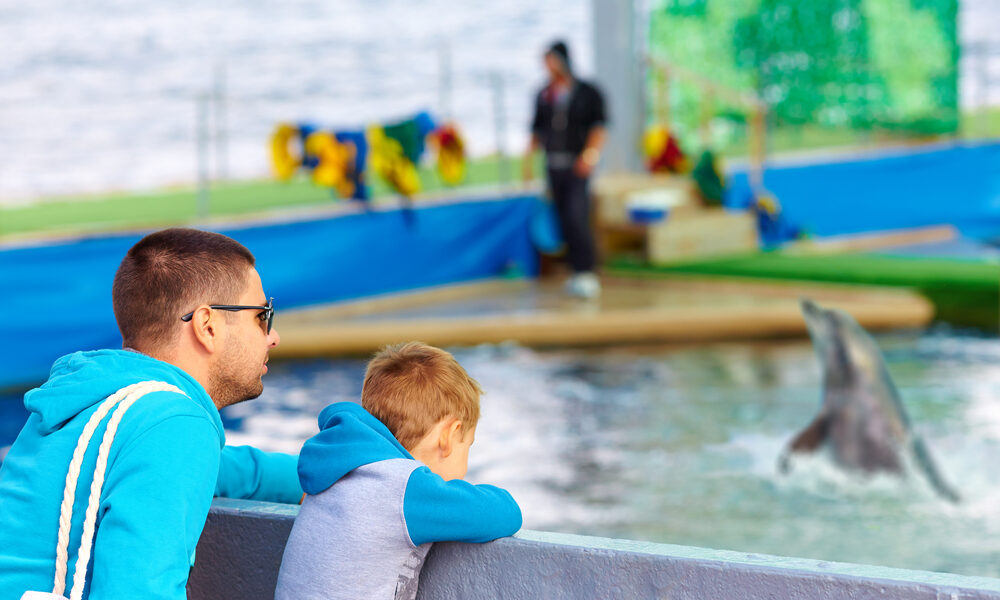
- Marine Creatures: Dolphin and seal shows are a classic for a reason. These animals are ridiculously smart, and trainers do a great job highlighting their communication abilities and problem-solving skills. Some places even feature shark feedings, which, yes, is as intense as it sounds.
- Exotic Mammals: Big cats, elephants, primates — shows featuring these animals tend to lean heavily into conservation messaging. And it works. Kids walk away understanding why these species face real challenges in the wild and what people are doing to help them survive.
Animal Sanctuaries
Sanctuaries are a completely different vibe from zoos, and I think that’s what makes them so valuable. These aren’t places where animals are on display for entertainment. They’re refuges for creatures that were injured, abandoned, or couldn’t survive on their own anymore. The shows and presentations at sanctuaries tend to feel more personal because of that. Every animal there has a story, and trust me, your kids will want to hear every single one.
My daughter cried for twenty minutes after hearing about a three-legged wolf at a sanctuary in Colorado. Then she asked if she could volunteer there when she turned eighteen.
- Rescue Stories: Each animal’s backstory becomes a lesson in compassion. Whether it’s a hawk that was hit by a car or a bear cub orphaned by poachers, these narratives hit different when your kid is standing ten feet away from the actual animal. It teaches responsibility in a way that sticks.
- Rehabilitation Success: Some sanctuaries show the rehabilitation process in action — birds relearning to fly, mammals getting fitted with prosthetics, animals slowly regaining their survival instincts. It’s honestly remarkable to watch, and kids pick up on the patience and care involved without anyone having to spell it out for them.
Educational TV Shows
Alright, this is the category most of us deal with on a daily basis. TV animal shows. They’ve been around forever, and the good news is they’ve gotten significantly better since I was a kid watching Crocodile Hunter reruns. Programs like Wild Kratts have figured out how to make wildlife science genuinely exciting for young viewers without dumbing things down. My kids actually learned about creature adaptations from that show before they covered it in school.
What I appreciate about the better shows is how they weave in conservation messages naturally. They’re not preachy about it. The eco-tips and little quizzes they throw in feel organic, and kids absorb them without even realizing they’re learning. I’ve caught my ten-year-old quizzing her friends about which animals are endangered. She didn’t get that from me, I can tell you that much.
- Live-Action Programs: These are the ones where real zoologists and conservationists take cameras into the field. Kids get to see actual animal encounters, real habitats, and the genuine excitement of people who’ve dedicated their careers to wildlife. It’s infectious — my son now says he wants to be a marine biologist, and I’m choosing to believe it’s not just a phase.
- Animated Series: Don’t underestimate the animated shows. The best ones pack serious ecological knowledge into fun storylines. They cover biodiversity, food chains, habitats, and predator-prey relationships in ways that hold a kid’s attention. Plus, the characters tend to be pretty lovable, which doesn’t hurt.
Interactive Exhibits and Workshops
If you’ve ever watched a five-year-old touch a starfish for the first time, you know exactly why interactive exhibits matter. There’s something about hands-on experiences that TV and even live shows can’t quite match. Museums and science centers have gotten really creative with this stuff. Touch tanks, insect labs, even behind-the-scenes feeding sessions — they’ve figured out that kids learn best when they’re actively involved, not just passively watching.
I took my kids to a touch tank exhibit last spring, and my youngest spent forty-five minutes with her hand in the water. Forty-five minutes. She won’t sit still for dinner, but sea urchins? She’s got all the patience in the world. The experts supervising these exhibits are usually fantastic with kids, too. They answer every question, no matter how bizarre. And believe me, kids ask some bizarre questions.
- Touch Tanks: These let kids physically interact with marine creatures — sea stars, hermit crabs, small rays — all under close supervision. There’s no substitute for that moment when a child realizes the animal in their hand is actually alive and responding to them. It changes the way they think about ocean life going forward.
- Insect Workshops: I know, I know. Bugs. But hear me out. These workshops are genuinely fascinating for kids. They observe live specimens, learn about pollination and decomposition, and sometimes even build miniature habitats. My son now has a compost bin in our backyard because of one of these classes. I have mixed feelings about that, but he’s learning.
Virtual Animal Experiences
This is where things have really changed in recent years. When I was growing up, if you wanted to see animals in their natural habitat, you either traveled there or you watched a documentary. Now? Your kid can put on a VR headset and walk through a rainforest canopy from your living room. It’s honestly wild how far the technology has come. Zoos, wildlife organizations, and even some national parks offer live streams and virtual tours that are surprisingly immersive.
I’ll be upfront — virtual experiences don’t fully replace the real thing. But they’re a genuine lifeline for families who can’t afford zoo trips or don’t live near any wildlife centers. And the production quality on some of these virtual tours is seriously impressive. Interactive elements, expert narration, real-time Q&A sessions with biologists. It’s not just a webcam pointed at a penguin enclosure anymore (though honestly, those are still pretty great too).
- Live Streaming: Zoo webcams and live feeds let kids observe animals in real time — eating, playing, sleeping, doing their thing. My kids have a morning routine of checking the San Diego Zoo panda cam before school. Is it educational? Absolutely. Is it also an excuse to stall before getting dressed? Also yes.
- Virtual Reality Tours: VR takes it up a notch. Kids can explore coral reefs, African savannas, or Arctic tundra in full 360 degrees. The sense of immersion makes it feel real, and the educational content layered into these experiences is top-notch. Perfect for rainy weekends when cabin fever is setting in.
Animal-Themed Theatre and Storytelling
I almost skipped this category, and that would’ve been a mistake. Animal-themed theatre and storytelling tap into something different — imagination. Puppet shows, stage plays with animal characters, live storytelling events — these aren’t about scientific accuracy (though many get surprisingly close). They’re about making kids feel something. Friendship, bravery, environmental responsibility. The messages come wrapped in stories, and kids are hardwired to absorb stories.
We saw a puppet show last year that featured a family of foxes dealing with deforestation. My daughter talked about it for weeks. She started picking up litter on our walks. A puppet show did that. Never underestimate the power of a well-told animal story on a young mind.
- Puppet Shows: Hand-crafted puppets bring animal characters to life in ways that captivate little ones. The visual storytelling is rich, and the character development in the better productions rivals anything on screen. Small local theatres often have surprisingly good animal-themed puppet shows — worth checking out.
- Live Plays: Some productions use live actors alongside real animals, which is always a memorable experience. The stories typically explore human-animal relationships and the bonds we share with the natural world. Even the simplest plotlines can leave a lasting impression on kids.
Student-Driven Animal Shows
Here’s one that doesn’t get enough attention. Schools and community organizations putting on their own animal events. Science fairs, Earth Day celebrations, classroom presentations — these might not have the production value of a zoo show or a Netflix series, but they’ve got something those don’t: ownership. When a kid researches an animal, puts together a presentation, and stands up in front of their peers to share what they’ve learned, that’s a whole different level of engagement.
My son’s class partnered with a local wildlife rehabilitator last year, and the kids got to present what they’d learned to parents. He was nervous, but you could see the pride on his face when he finished. Those experiences build confidence and public speaking skills in ways that watching a show never could. If your school doesn’t do something like this, it’s worth suggesting.
- Classroom Presentations: Students pick an animal, dig into the research, and present their findings. It sounds simple, but it exercises research skills, organizational thinking, and the ability to communicate ideas clearly. Plus, kids tend to pick animals they’re genuinely passionate about, which makes the whole thing more engaging for everyone in the room.
- Community Events: Local nature centers and wildlife organizations often participate in school events or community fairs. They’ll bring animals, give talks, and answer questions. It’s a great way to connect families with conservation efforts happening right in their own backyard. My kids still talk about the time a handler brought a screech owl to their school assembly.
Look, at the end of the day, there’s no single “best” way for kids to experience animal shows. The zoo visits, the TV programs, the hands-on workshops, the VR tours — they all contribute something different. What I’ve seen with my own kids is that exposure to multiple formats creates this layered understanding of wildlife that no single experience can deliver on its own. They start connecting dots between what they saw at the aquarium and what they watched on Wild Kratts and what they learned at the science fair. And before you know it, they actually care about conservation. Not because someone told them to, but because they genuinely feel connected to these animals. That’s the goal, isn’t it? Getting them to care enough to want to protect the world they’re inheriting.



Stay in the loop
Get the latest international wildlife research updates delivered to your inbox.