Extinct Animals Alive Again — Discover Lazarus species, once thought lost but found again, reshaping our understanding of extinction and wildlife survival.
So What’s a Lazarus Species, Anyway?
Throughout history, we’ve watched animal species come and go. Extinctions and extirpations are part of nature’s rhythm — it’s messy, it’s brutal, and it’s been happening long before humans started keeping track. But here’s where things get genuinely wild: sometimes, a species that everyone assumed was gone forever just… shows up again. Scientists call these Lazarus species, named after the Biblical figure who came back from the dead. And honestly, the name fits perfectly.
A Lazarus taxon, to use the proper paleontology term, describes a species that appears to vanish from the fossil record or from living observation, only to pop up later like nothing happened. I’ve always found this concept fascinating because it forces us to confront how little we actually know about the planet we live on.
Why We Get Extinction Wrong Sometimes
Before we dive into the specific animals, it helps to understand why scientists sometimes declare something extinct prematurely. Extinction means the complete disappearance of a species — every last individual is gone. Scientists won’t make that call unless there’s no reasonable doubt the final member has died. But think about how much wilderness exists that humans haven’t thoroughly explored. The deep ocean. Remote mountaintops. Dense tropical forests. It’s a lot of ground to cover.
Habitat loss, environmental shifts, predation, and disease all drive species toward extinction. But the flip side is that insufficient field surveys, political unrest in certain regions, and plain old logistical headaches can prevent us from finding surviving populations. I’ve read about cases where a species was declared gone simply because nobody had the funding to go look for it in the right place. That’s sobering when you think about it.
Some animals are also just really good at hiding. Nocturnal species, naturally shy creatures, or animals that live in tiny numbers in extremely remote areas — they can dodge detection for decades. Dense rainforests and ocean depths make the job even harder. So when a “extinct” animal turns up alive, it’s not always a miracle. Sometimes it’s a correction of our own limitations.
The Classics: Lazarus Species That Blew Everyone’s Mind
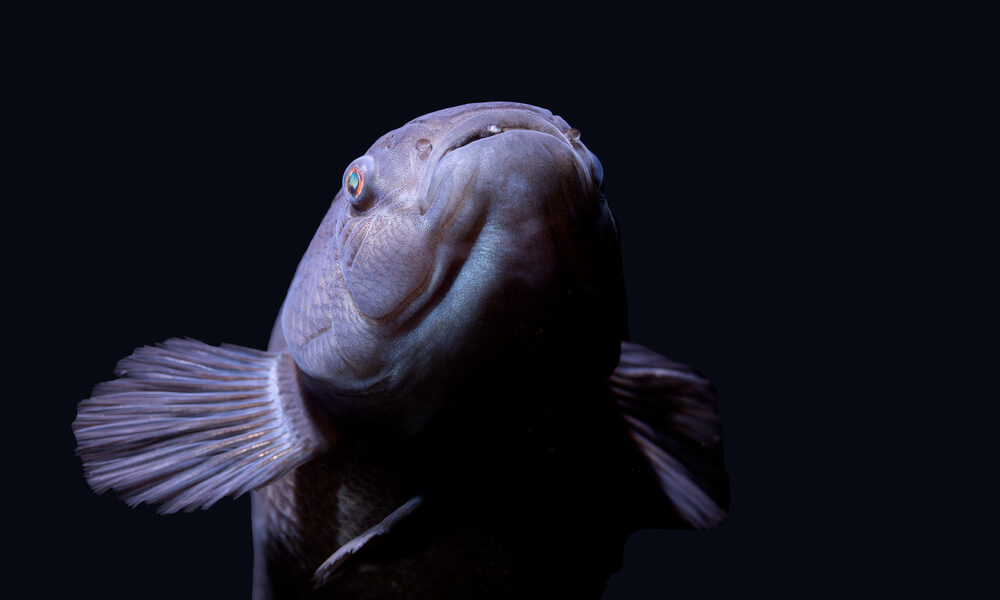
The Coelacanth
I can’t talk about Lazarus species without starting here. The coelacanth is basically the poster child for this whole phenomenon. Scientists were absolutely certain this fish went extinct 66 million years ago — it was a done deal, case closed. Then in 1938, a living specimen turned up off the coast of South Africa, and the scientific community collectively lost its mind. Sixty-six million years! That’s not a small gap in the record. It’s a reminder that the ocean keeps secrets better than just about anything else on Earth.
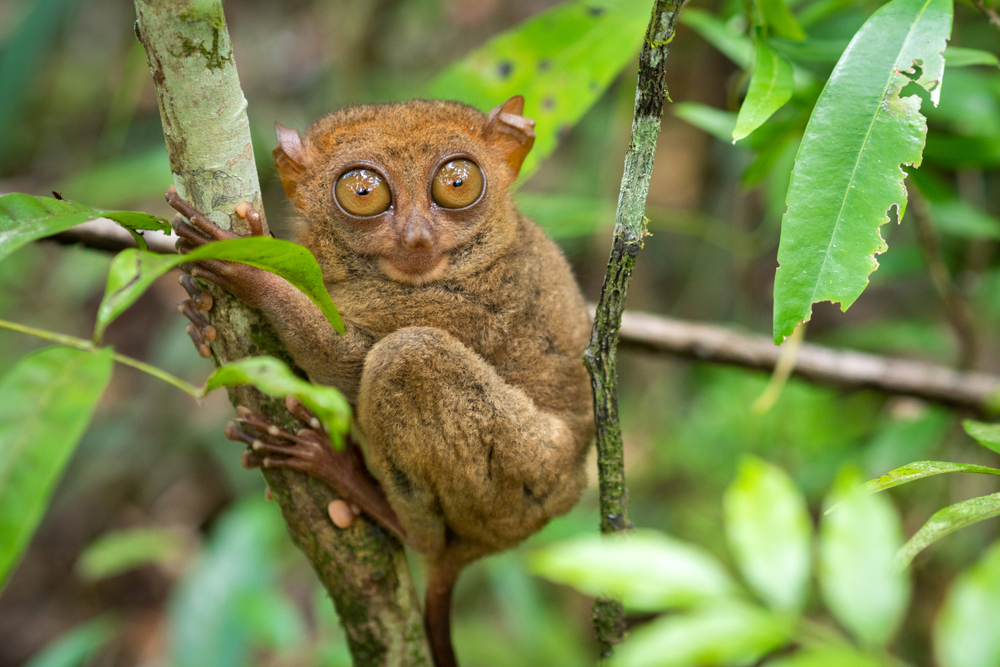
The Pygmy Tarsier
This tiny primate from Indonesia hadn’t been seen since the 1920s, and most experts figured it was done for. Then in 2008, researchers stumbled on three individuals clinging to life on a remote mountaintop. Three. That’s it. These elfin little creatures, with their enormous eyes and weird proportions, had been hiding in terrain so rugged that nobody thought to look there thoroughly.
Lord Howe Island Stick Insect
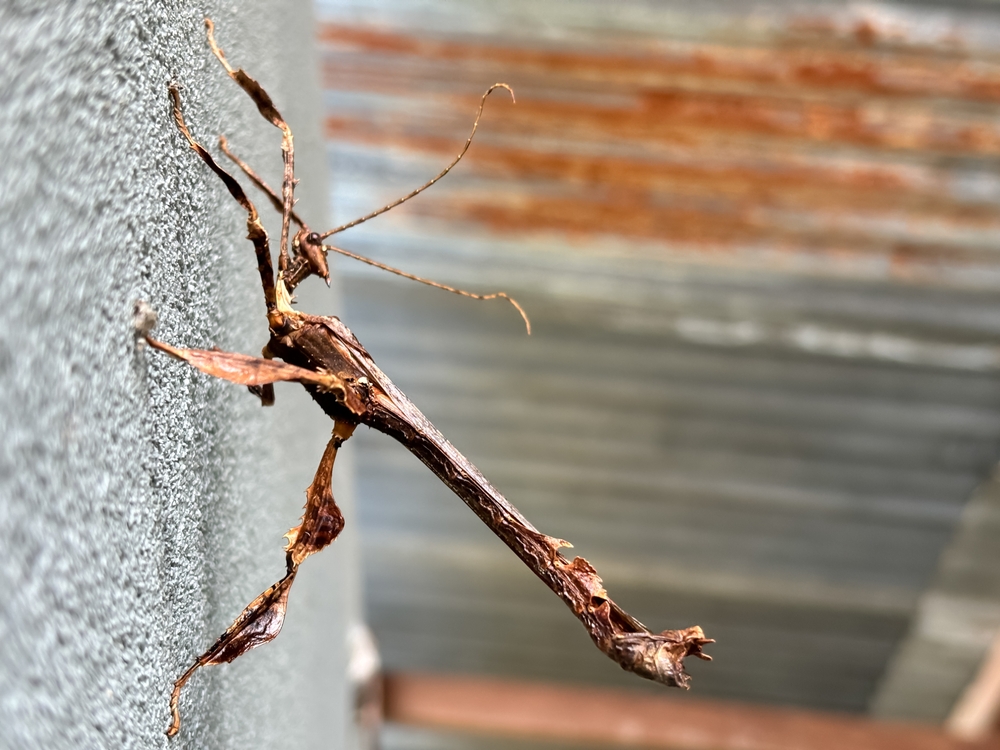
This one’s a personal favorite. These insects used to be everywhere on Lord Howe Island until rats showed up (thanks to a shipwreck in 1918) and ate their way through the population. By 1930, everyone assumed they were gone. Fast forward to 2001, and a team of researchers found a tiny colony alive on Balls Pyramid — this dramatic, jagged rock sticking out of the ocean about 23 kilometers from their original home. How they got there, I’m still not entirely sure. But careful breeding programs are now working to bring them back to Lord Howe Island, and I’m rooting for every single one of them.
Rediscoveries Around the World
Australia: The Mountain Pygmy Possum
This little marsupial was declared extinct not once but twice. Then in 1966, someone found one in a remote Australian ski resort area. The story I’ve read is that it involved a rather accidental encounter — not exactly a planned expedition. Since then, researchers have poured effort into habitat restoration and breeding programs. It’s one of those cases where the rediscovery itself was almost comically low-key, but the conservation work that followed has been anything but.
Africa: The Somali Elephant Shrew
Nobody had spotted this animal since the 1960s, and plenty of people assumed it was gone. Then in 2019, researchers in Djibouti found it thriving in its dry, rocky habitat. The Somali elephant shrew — also called a sengi, which I think is a much better name — is this tiny mammal with a long, flexible nose that looks like it was designed by committee. Its rediscovery sparked renewed interest in conserving African small mammals, which don’t get nearly enough attention compared to the big charismatic species.
North America: The Ivory-billed Woodpecker
This is the controversial one, and I’ll be upfront about that. The last confirmed sighting was in the 1940s. Since then, there have been sporadic reports — a blurry video here, an unverified audio recording there — but nothing definitive. Some researchers are convinced it’s still out there in the vast bottomland hardwood forests of the southeastern United States. Others think we’re chasing ghosts. I personally think the jury’s still out, and the difficulty of searching those dense habitats means we might not get a clear answer anytime soon.
Australia Again: The Crest-tailed Mulgara
Presumed extinct in certain regions, this small carnivorous marsupial was found alive and well in Sturt National Park, New South Wales, in 2017. It’s a tough little animal that’s adapted to harsh desert conditions, and its survival says a lot about the resilience some species carry in their DNA. I find it reassuring, honestly — not every story in conservation is doom and gloom.
How Technology Changed the Game
We’re living in a golden age for rediscovery, and it’s largely thanks to technology. Remote sensing devices, undersea vehicles, and DNA analysis have completely transformed what’s possible in field research. Scientists can now reach habitats that were practically inaccessible a few decades ago. Camera traps run 24/7 in forests and jungles, and drones can survey terrain that would take humans weeks to cover on foot.
DNA barcoding is the one that really excites me, though. Researchers can analyze environmental DNA — genetic material shed by animals into water, soil, or air — and detect traces of species without ever laying eyes on them. It’s non-invasive, it’s increasingly affordable, and it’s helped confirm the presence of species that visual surveys missed entirely. We’re finding things we didn’t even know to look for, and I think that’s incredible.
What Rediscoveries Mean for Conservation
When a Lazarus species turns up, the ecological ripple effects can be significant. For starters, it forces a complete reassessment of local biodiversity. Conservation strategies that were built around the assumption that a species was gone now need to be rewritten. An animal’s endangered status might shift, and suddenly it’s back on the priority list for protection and funding.
Conservationists have learned to use these rediscoveries as rallying points. There’s nothing quite like a “back from the dead” story to generate public interest and support. But here’s the catch — that initial wave of enthusiasm tends to fade quickly, and these species need long-term commitments, not just momentary excitement. Sustained funding, ongoing research, and careful habitat management are what actually keep rediscovered species alive for the long haul.
Successfully reintegrating a species into its ecosystem also helps broader biodiversity health. But it’s not as simple as just letting them loose. Careful management ensures the species can sustainably flourish without destabilizing the ecosystem that developed in its absence.
The Ethical Side of Things
I don’t see this discussed enough, but there are real ethical questions wrapped up in Lazarus species work. The rediscovery process itself can disturb fragile habitats. Subsequent ecological investigations — however well-intentioned — bring human activity into spaces where these animals have survived precisely because humans weren’t there. Researchers have to be incredibly careful about minimizing their footprint.
Then there are the breeding programs and relocations. Ensuring genetic diversity without compromising individual animal welfare is genuinely complex. I’ve talked to conservationists who agonize over these decisions, weighing the survival of the species against the stress placed on individual animals. There’s no easy formula, and I think the honesty about that difficulty is important.
Communication Matters More Than You’d Think
Getting the word out about rediscovered species isn’t just a PR exercise — it’s a conservation tool. Accurate information generates public support, and public support translates to political will and funding. But misinterpretations can do real damage. If people think a species is “fine now” just because it was rediscovered, they might not see the urgency of protecting its habitat. The reality is usually much more precarious than the headline suggests.
An integrated approach works best — one that involves local communities, governments, NGOs, and scientists all pulling in the same direction. I’ve seen some beautiful examples of this kind of collaboration, and some frustrating failures too. The key seems to be genuine partnership rather than top-down mandates.
What Lazarus Species Teach Us
The big takeaway from all of this? Life is more resilient than we give it credit for. But that resilience isn’t unlimited, and the fact that we sometimes get extinction wrong doesn’t mean we should be casual about it. If anything, it should make us more rigorous in how we assess species status and more committed to protecting the habitats that allow these remarkable comebacks to happen.
- Hope: These species remind us that hope remains even in the face of apparent loss.
- Challenge: The phenomena compel a rethinking of extinction criteria and conservation methods.
- Motivation: They motivate efforts to protect the delicate balance of Earth’s ecosystems.
Conservation efforts get a genuine shot in the arm from rediscoveries. They reaffirm why habitat protection, scientific research, and global cooperation matter so much. Every Lazarus species is a tiny piece of evidence that the natural world still has surprises in store — and I think we owe it to future generations to make sure those surprises keep coming.
Each rediscovery also reveals how intricate ecosystems really are and how much we still don’t understand about our place within them. Continued research and new technologies give us better tools to detect, document, and conserve biodiversity. An interdisciplinary approach — bridging ecological data with policy-making — can help design plans that address not just a species’ existence, but the holistic wellness of its habitat. That, to me, is the real lesson of Lazarus species: accountability in ecological stewardship isn’t optional. It’s the whole point.




Stay in the loop
Get the latest international wildlife research updates delivered to your inbox.