Today, I will share it all with you.
Table of Contents
Top Dog-Friendly Shows: The Best Picks for Happy Paws
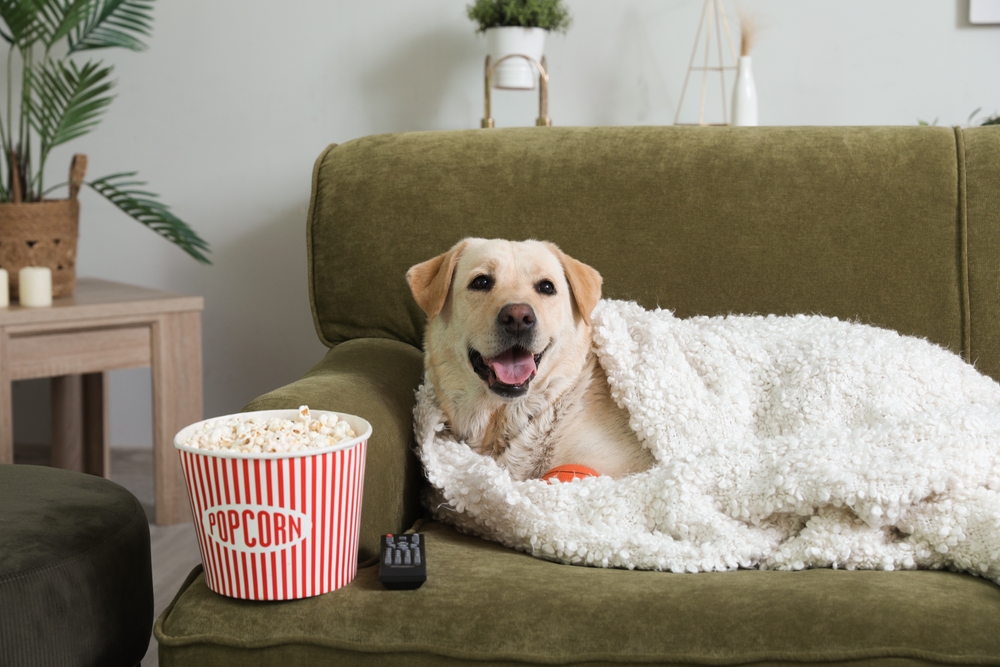
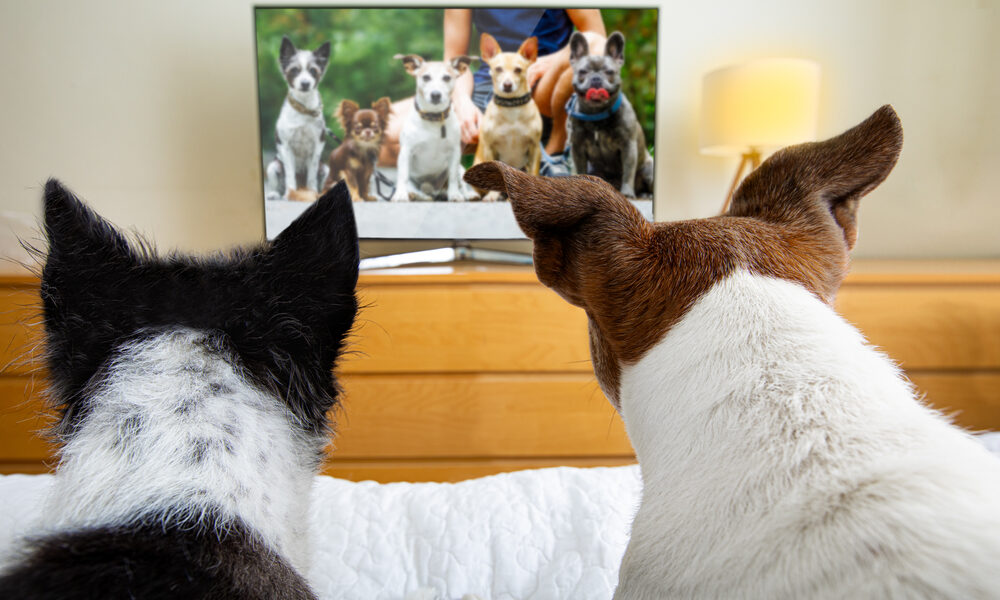
Look, I never thought I’d be the person writing about TV shows for dogs. But here we are. My two mutts — a lab mix named Charlie and a beagle called Penny — have turned me into a reluctant expert on canine entertainment. They’ve got opinions about what’s on screen, and honestly, they’re pickier than most people I know.
Dogs have wormed their way into every corner of family life, and that includes the living room couch during movie night. I used to think it was silly when people left the TV on for their pets. Then I noticed Charlie’s ears perking up at certain shows while Penny completely ignored others. That got me curious, and I went down the rabbit hole of dog-friendly programming.
Understanding Dogs and Screens
Before you can pick the right show, you’ve gotta understand how your dog actually sees the screen. It’s not the same experience we’re having.
Dogs are dichromatic. That’s a fancy way of saying they mostly see in blues and yellows. Reds and greens? Not so much. So all those vibrant nature documentaries we love don’t hit the same way for them. I figured this out when Charlie would go nuts for ocean scenes but couldn’t care less about autumn forest footage.
Here’s something else I didn’t know until I started digging into this. Older CRT televisions had low refresh rates that made the picture look like a flickering strobe light to dogs. Their eyes process visual information faster than ours. Modern flat screens with higher refresh rates fixed that problem, though, so the image actually looks smooth and watchable to your pup. If you’ve got an older TV and your dog seems uninterested, that might be why.
What Makes a Show Dog-Friendly?
After months of informal testing with my dogs (and borrowing my neighbor’s golden retriever for “research”), I’ve narrowed it down to three main factors:
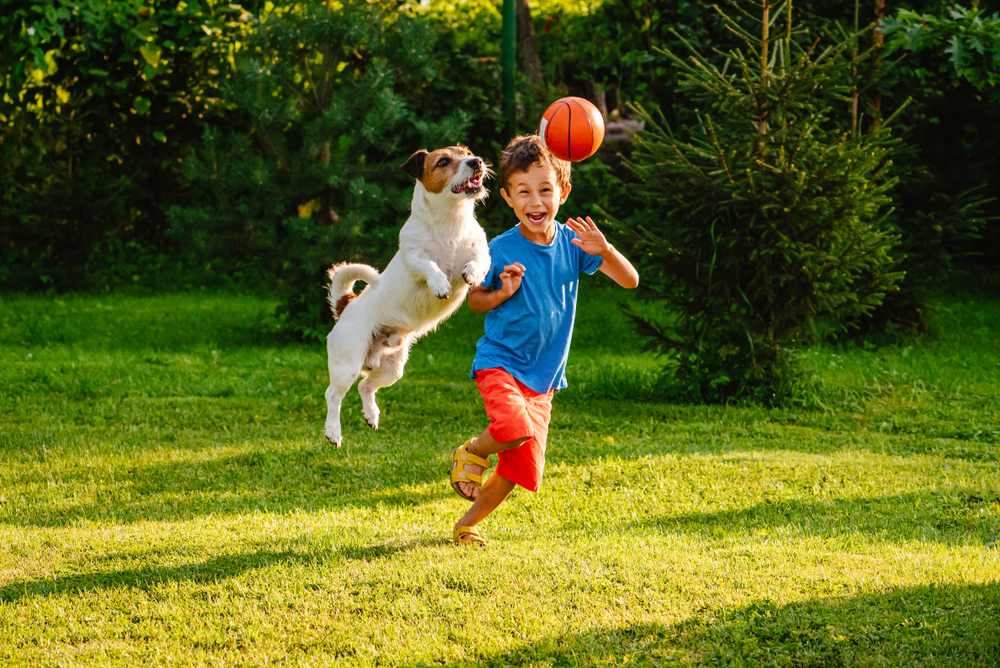
- Visual Stimuli: Dogs lock onto images of other animals, especially other dogs. Bouncing balls, birds fluttering around, leaves blowing in the wind — anything with natural-looking movement grabs their attention fast. Penny will literally stand up and walk toward the screen when she sees squirrels.
- Sound Elements: This one’s huge. Barking, squeaky toy noises, and calm human voices all get a reaction. I’ve noticed my dogs respond differently to various sound frequencies too. High-pitched sounds grab them instantly, while deep rumbling tones seem to relax them. It’s fascinating once you start paying attention.
- Short Run Time: Dogs don’t binge-watch. They just don’t. Their attention span runs shorter than ours, so the best dog-friendly content uses brief segments — usually a few minutes each — before switching things up. Think of it like a highlight reel rather than a feature film.
Recommended Shows for Dogs
Alright, let’s get into the specific shows I’ve had success with. Not every dog will love these, but they’re solid starting points:
- DogTV: This is the gold standard, and for good reason. It’s an entire channel built around canine viewing habits. They’ve got programs broken into relaxation segments, stimulation segments, and exposure content. I leave it on when I run errands, and I can tell from my pet camera that Charlie actually watches it. The science-backed approach really does seem to work — he’s calmer when I get home compared to days with no TV at all.
- Pure Flix: Animal Tales on platforms like Pure Flix is another winner. It focuses on heartwarming animal stories, and while it’s technically made for humans, the animal-heavy visuals keep dogs interested too. Penny seems to enjoy these almost as much as Charlie enjoys DogTV.
Science Behind Dog Television Programming
These shows aren’t just random clips thrown together. Researchers in canine psychology study how dogs learn, what triggers their natural behaviors, and what calms them down. Then content creators take all of that data and build programming around it.
They factor in color perception (sticking with blues and yellows), auditory sensitivity (avoiding jarring sounds), and movement preferences (smooth, natural motions rather than quick cuts). It’s kind of like designing a personalized enrichment activity, except it comes through a screen. I’ve read a few of the published studies on this, and the results are genuinely promising for dogs dealing with anxiety or boredom.
Benefits of TV for Dogs
So what’s actually in it for your dog? More than you’d think:
- Combatting Anxiety: This was the big one for me. Charlie used to destroy shoes when I left the house. Once I started putting on dog-friendly programming, the destructive behavior dropped way off. The sounds and visuals mimic a social environment, so your dog doesn’t feel quite so alone. It’s not a cure-all, but it helps.
- Enrichment Opportunities: A bored dog is a naughty dog. Mental stimulation through TV keeps their brain engaged and cuts down on the chewing, digging, and barking that comes from having nothing to do. I think of it as one tool in a bigger toolbox.
- Nurturing Behaviors: I wasn’t expecting this one. Watching other animals on screen seems to trigger something gentle in certain dogs. Penny gets this soft look in her eyes when she sees puppies on TV. It genuinely seems to lower her stress levels.
Tips for Introducing TV to Dogs
Don’t just flip on DogTV at full volume and walk away. Trust me on this one. Here’s what worked for me:
- Start Slowly: Put something on for 10-15 minutes and just watch your dog’s reaction. Some dogs get excited, some get confused, and some couldn’t care less. Charlie was hooked immediately. Penny took about a week to warm up to it.
- Choose Appropriate Material: Stick with content that hits those dog-friendly markers I mentioned — animal visuals, gentle sounds, and short segments. Action movies with explosions? Not great. Nature scenes with bird calls? Much better.
- Stay Attentive to Feedback: Watch your dog’s body language carefully. Relaxed posture and soft eyes mean they’re enjoying it. Stiff body, pinned ears, or excessive barking at the screen means it’s time to switch to something else. Every dog’s different, so you’ve gotta pay attention.
Potential Drawbacks
I’d be lying if I said there weren’t some downsides to consider. TV shouldn’t replace actual exercise and interaction — that’s the biggest thing. Your dog still needs walks, playtime, and real-world socialization. I’ve seen a few owners lean too hard on the television as a babysitter, and it shows in their dog’s behavior.
Moderation matters here, just like it does with screen time for kids. I keep the TV on for maybe an hour or two when I’m out, and that’s it. The rest of the time, we’re outside, playing fetch, or doing training exercises. Balance is everything.
Beyond TV: Other Visual Stimuli for Dogs
Television’s great, but it’s not the only game in town. I’ve found a few other things that keep my dogs visually engaged:
- Interactive Toys: Treat puzzles and snuffle mats are phenomenal for mental stimulation. They get your dog thinking and moving at the same time, which is something a screen can’t really do. I rotate through different puzzle toys so Charlie and Penny don’t get bored with any single one.
- Nature Watching: Honestly, a window perch might be the cheapest and best entertainment you can give your dog. Penny spends hours watching squirrels, birds, and the occasional mail carrier. The changing scenery keeps things fresh in a way no TV show can match.
- Pet Cameras: I picked up a camera with a built-in speaker so I can talk to my dogs when I’m at work. It’s not quite the same as TV, but hearing my voice seems to comfort them. Some models even let you toss treats remotely, which is pretty fun.
Conclusion
I’ll be honest — when I first started researching dog-friendly shows, I thought it was a gimmick. But after seeing how Charlie and Penny respond, I’m a convert. The science behind it is solid, and the real-world results in my home have been noticeable. My dogs are calmer, less anxious, and generally happier when they’ve got the right stuff on screen.
The key is treating TV as one piece of a bigger pet care puzzle. Combine it with walks, playtime, training, and good old-fashioned belly rubs, and you’ve got a recipe for a genuinely content dog. Give it a shot — you might be surprised at what your pup ends up watching.



Stay in the loop
Get the latest international wildlife research updates delivered to your inbox.