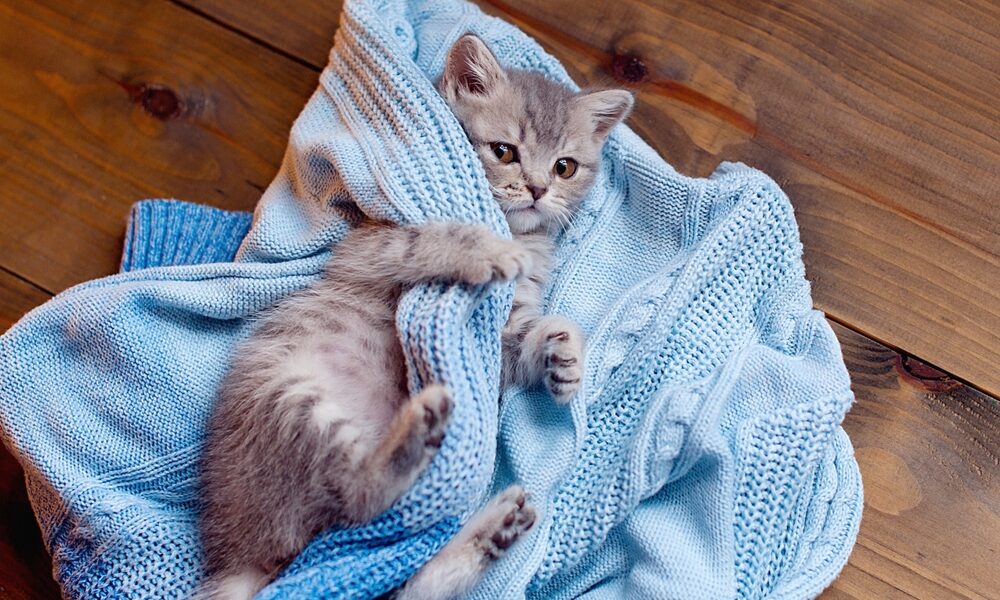
Adorable Kittens melt hearts with their playful antics, fluffy fur, and sweet purrs. Discover the science of their cuteness and tips for proper kitten care!
Table of Contents
Adorable Kittens: The Sweetest Beginnings
Seriously though, there’s something about kittens that just stops you in your tracks. Their tiny little paws, fluffy coats, and those wobbly first steps — it all adds up to an experience that’s been captivating people for centuries. I’ve yet to meet a single person who can look at a kitten and not crack at least a small smile. It’s basically hardwired into us, and we’ll get into the science of that in a second.
The Science of Cuteness
Here’s the deal: kittens tap into something deep in our brains that scientists call “baby schema.” It’s a collection of physical traits — big round eyes, small nose, soft rounded features — that mimic what we see in human babies. Our brains are basically tricked into going full nurture mode the moment we see those oversized eyes staring up at us.
And it goes deeper than just the face. Kittens are born with heads that look way too big for their bodies, which is another trait they share with human infants. I remember the first time I held a newborn kitten and thought, “Your head is basically half your body.” That disproportionate look triggers protective instincts in most adults. Then there’s the fur — that impossibly soft coat that makes you want to keep touching them. Research shows that tactile contact like this actually promotes bonding between humans and kittens, releasing oxytocin on both sides. It’s a two-way street, and it’s genuinely fascinating when you think about it.
Playful Behavior
If you’ve ever dangled a piece of string in front of a kitten, you already know what I’m talking about. They go absolutely wild. The pouncing, the leaping, the sideways crab-walk they do when they’re trying to look tough — it never gets old. I’ve watched foster kittens chase their own tails for twenty minutes straight, and honestly, I could’ve kept watching for another twenty.
What a lot of people don’t realize is that all that chaos actually serves a purpose. Every pounce is practice for hunting. Every tumble with a sibling builds coordination and social skills. Kittens are essentially learning how to be cats through play, developing motor skills and spatial awareness that they’ll rely on for the rest of their lives. The clumsiness is part of the learning curve, and that’s what makes it so entertaining to watch. They’re dead serious about it, even when they faceplant off the couch.
Developmental Stages
The speed at which kittens change during their first few weeks is honestly mind-blowing. They come into the world blind and deaf, completely helpless. Then, somewhere between day seven and day ten, their eyes crack open for the first time. It’s blurry and unfocused at first — they’re basically squinting at a world they can barely make out. But by the time they hit four weeks, they’re seeing about as well as a grown cat.
Their ears go through a similar transformation. Those little folded flaps start opening up around one to two weeks old, and suddenly they’re aware of every sound in the room. I’ve seen kittens startle at a sneeze from three rooms away once their hearing kicks in. It’s a defense mechanism, sure, but it’s also how they start mapping out their environment.
By the end of the first month, things really ramp up. They’re figuring out the litter box (with varying degrees of success, trust me), grooming themselves for the first time, and transitioning from milk to solid food. Each little milestone feels like a big deal when you’re watching it happen day by day. There’s something profoundly satisfying about seeing a kitten figure out how to eat from a dish without stepping in it.
Socialization Period
The window between weeks two and seven is where the magic happens. This is when kittens figure out how to interact with other cats, with humans, with the world in general. Miss this window and you might end up with a cat that hides under the bed every time someone comes over.
I make it a point with every foster litter to have as many different people handle the kittens as possible during this stage. Different hands, different voices, different energy levels. Exposure to varied sounds helps too — the vacuum cleaner, TV, music, you name it. The kittens that get this kind of broad exposure almost always turn into confident, friendly adults. It’s honestly one of the most rewarding parts of fostering, knowing that a few weeks of intentional socialization sets them up for a lifetime of good relationships with their future families.
The Role of Breed in Cuteness
Every breed brings something different to the table, and I think that’s part of what keeps people so obsessed with kittens. Persian kittens look like little clouds with faces — those round heads, those big eyes, that ridiculous amount of fluff. Scottish Folds have those folded-forward ears that make them look permanently surprised, and I can’t help but laugh every time I see one.
Then you’ve got Bengal kittens, who look like they belong in a tiny jungle with their spotted or marbled coats. They’ve got energy for days, too. Sphynx kittens are a whole different vibe — no fur, wrinkly skin, and these massive expressive eyes that seem to stare straight into your soul. Some people think they’re odd-looking, but spend five minutes with a Sphynx kitten and you’ll be completely won over. They’re warm to the touch and ridiculously affectionate. The variety across breeds means there’s genuinely a kitten out there for everyone’s taste, which I think is pretty cool.
Instinctive Behaviors
Some of the best kitten moments come from behaviors they don’t even have to learn. Kneading is the classic example — that rhythmic pushing motion with their paws that looks like they’re making biscuits. It goes back to nursing, when kittens would press against their mother to stimulate milk flow. The fact that they keep doing it as adults, usually when they’re perfectly content and half asleep on your lap, tells you something about how deep that comfort association runs.
Purring is another one that gets me every time. Most people think purring just means a cat is happy, and that’s partly true. But kittens also purr when they’re nervous or in pain — it’s a self-soothing mechanism. I’ve held sick foster kittens who purred the entire time I was caring for them. There’s something both heartbreaking and beautiful about that. The vibration frequency of a cat’s purr actually falls in a range that promotes healing, which is wild when you think about it. They’re literally vibrating themselves better.
Human Interaction
I don’t think people talk enough about how intentional kittens are when it comes to bonding. It’s not random. A kitten chooses to curl up on your lap. It chooses to reach its paw out and touch your hand. These little gestures build a relationship that honestly rivals what you’d have with any other pet. And the bond goes both ways — I’ve had fosters I didn’t want to give up because the connection we’d built in just a few weeks felt so real.
Training plays into this too, and it’s more doable than most people think. Kittens can learn their names, come when called, and even do simple tricks if you’re patient with them. Litter box training usually happens almost naturally because cats are hardwired for it. The whole process — teaching, rewarding, watching them figure things out — strengthens your connection with them in ways that are hard to describe until you’ve experienced it yourself.
The Internet and Kitten Fame
Let’s be real: kittens basically run the internet. I’m not sure the web would’ve taken off the way it did without cat content, and I’m only half joking. Every platform — Instagram, TikTok, YouTube, you name it — is overflowing with kitten videos. And people can’t get enough. A kitten falling asleep mid-play can pull millions of views overnight. It’s a universal language that cuts across every culture and demographic.
Some kittens become legitimately famous, too. They get sponsorships, merchandise, the whole deal. But the best part, in my opinion, is when that fame translates into real-world impact. Viral kittens have driven huge spikes in shelter adoptions. They’ve raised awareness about fostering programs. A cute kitten video might seem trivial, but it can genuinely change outcomes for animals who need homes. That’s the kind of internet content I’ll always support.
Caring for Kittens
I want to be upfront about something: kittens are adorable, but they’re also a real commitment. You can’t just enjoy the cute parts and ignore the rest. A good diet matters more than most new owners realize — kittens need food that’s specifically formulated for their growth stage, with the right balance of protein and nutrients to support all that rapid development. Cheap food shows up fast in dull coats and low energy.
Your home needs to be kitten-proofed, too. I’ve pulled kittens out of situations you wouldn’t believe — behind washing machines, inside reclining chair mechanisms, tangled in window blind cords. Toxic plants are a big one that people overlook. Lilies, for example, can be fatal to cats even in tiny amounts. Get a scratching post early, stock up on interactive toys, and make sure there’s a safe space where they can retreat when they’re overwhelmed. Vet visits should start early and stay regular — vaccinations, deworming, and eventually spaying or neutering.
Speaking of spaying and neutering, please don’t skip it. The number of kittens I’ve fostered who came from unplanned litters is staggering. One simple procedure prevents so much suffering down the line. It’s one of the most responsible things you can do as a pet owner, full stop.
Lifelong Companions
Here’s the thing about kittens — they grow up. The tiny fluffball phase doesn’t last forever, and I’ve seen people lose interest once their kitten starts looking like a regular cat. But that’s where they’re missing out. The playfulness doesn’t disappear. The curiosity doesn’t fade. My oldest foster failure (that’s rescue speak for a cat I couldn’t bring myself to give away) still does the sideways hop when she’s excited, and she’s nine years old.
The personality that starts forming during those early weeks just keeps deepening over time. Cats develop quirks and habits that become the defining traits of your daily life together. One of mine has to supervise every time I open the fridge. Another one brings me a specific toy every morning like clockwork. These are the moments that make the late-night feedings and the vet bills and the shredded curtains worth it.
- Large eyes relative to face
- Prominent, soft fur coat
- Playful and curious nature
- Rapid developmental changes
- Variety of breeds and appearances
Every single one of those traits plays a role in why we’re so drawn to kittens. But I think it goes beyond a checklist. It’s the whole package — the way they look at you with those huge eyes, the way they throw themselves into every game like it’s the most important thing in the world, the way they fall asleep in your hands and trust you completely. That’s what keeps us coming back. That’s what turns casual cat admirers into lifelong cat people. And honestly, I wouldn’t have it any other way.




Stay in the loop
Get the latest international wildlife research updates delivered to your inbox.