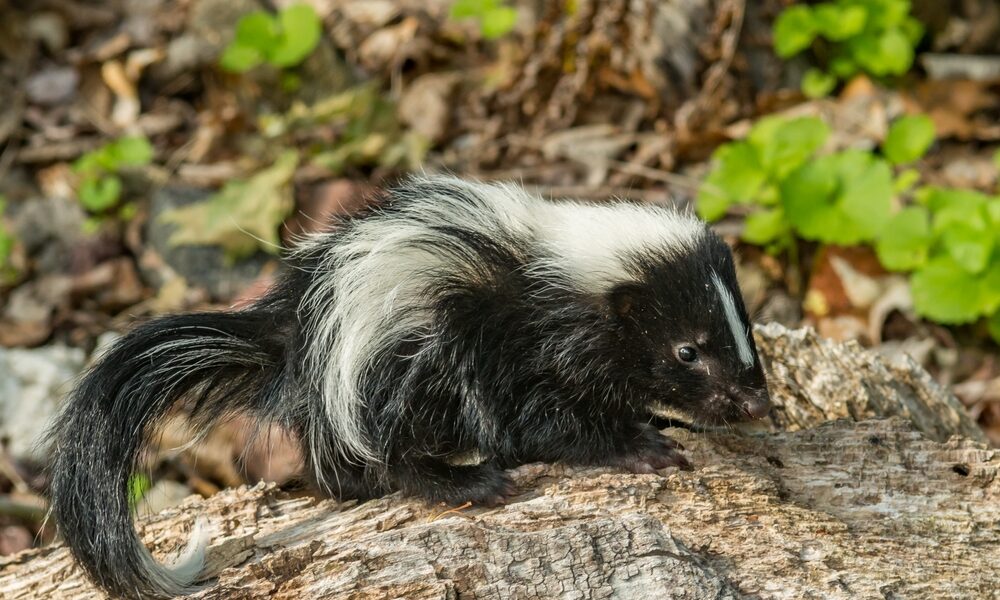
Charming Skunk: The Misunderstood Creatures
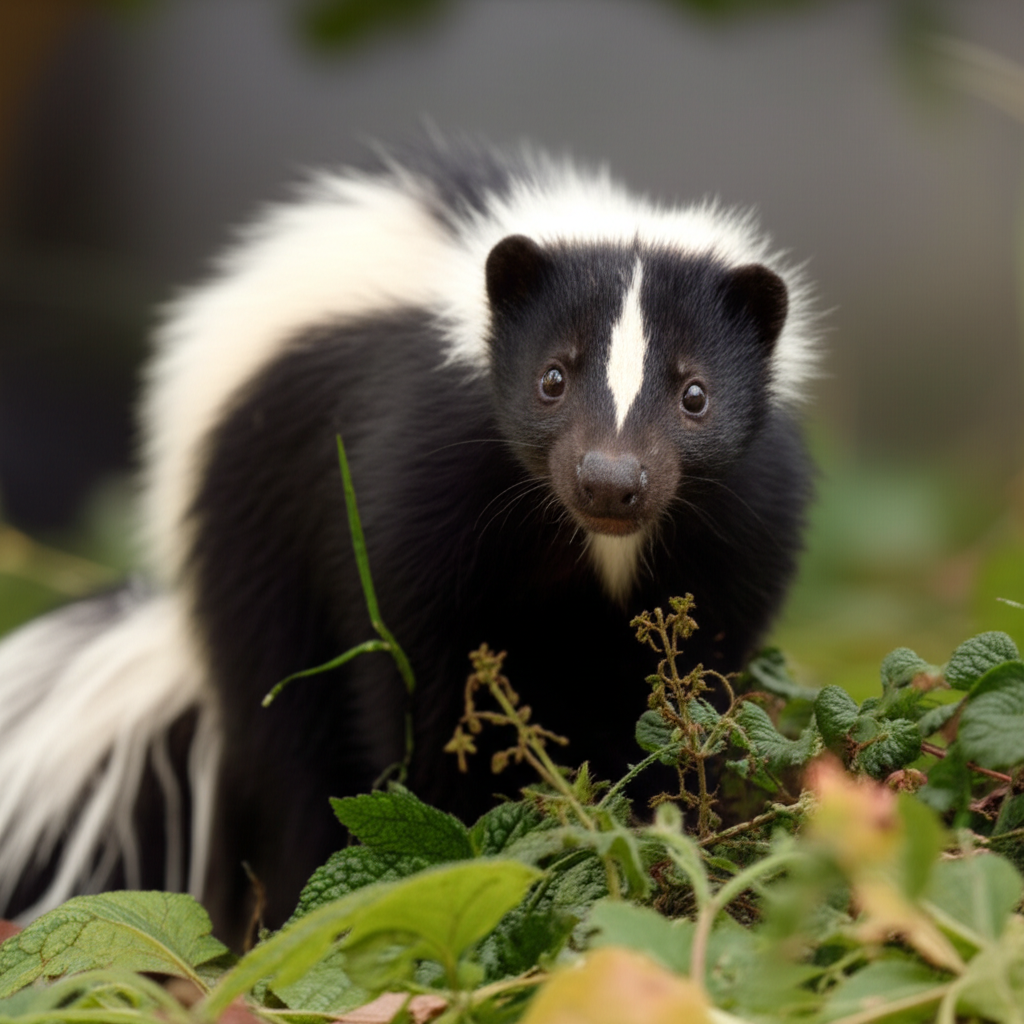
Look, I get it. When most people hear the word “skunk,” they immediately think about that notorious smell. I used to be the same way. But after spending years watching these little guys wander through my yard — and yes, having one stare me down from under my porch — I’ve come to realize skunks are way more interesting than their stink reputation lets on. They’re smart, they’re surprisingly helpful to the environment, and honestly? They’re kind of adorable once you look past the whole spray thing.
Basic Facts About Skunks
Skunks belong to the family Mephitidae, and they’re native to the Americas. You’ve probably seen their bold black and white coats — those striking patterns aren’t just for show, though. They’re basically nature’s version of a warning sign that tells predators to back off. Combine that with their small heads, fluffy tails, and those stubby little legs, and you’ve got an animal that’s instantly recognizable whether you spot one in your driveway or on a nature trail.
Now, there are actually several different species of skunks roaming around out there. The striped skunk is the one you’ll run into most often in North America — it’s basically the “default” skunk in most people’s minds. What a lot of folks don’t realize is that these critters are omnivores. They’ll eat insects, small mammals, fruits, plants — pretty much whatever’s available. And since they’re nocturnal, they do most of their food shopping after dark. I’ve watched them shuffle across my lawn at dusk more times than I can count, noses to the ground, completely focused on their dinner mission.
Skunk Defense Mechanism
Okay, let’s talk about the elephant in the room — or I guess the skunk in the room. That spray. Yes, it’s real, and yes, it’s absolutely terrible. The liquid they shoot out is loaded with sulfur-containing chemicals called thiols. They can hit a target from about 10 feet away with impressive accuracy, and if any of it gets in your eyes, you’re dealing with serious irritation and possibly temporary blindness. I had a neighbor’s dog learn this the hard way one summer evening, and let me tell you, the entire block knew about it within minutes.
Here’s the thing that changed how I think about skunks, though. Spraying isn’t their go-to move. Not even close. Before a skunk unleashes that chemical warfare, it’ll run through a whole checklist of warnings first. You’ll see hissing, foot stomping, and that telltale tail raise. They’re basically screaming “please just leave me alone” in skunk language. The spray is genuinely a last resort because it takes them a while to produce more once they’ve used up their supply. So they’re actually being pretty reasonable about the whole thing, if you think about it.
The Cuteness Factor
I don’t care who you are — if you’ve ever watched a skunk waddle across a meadow, you’ve smiled. It’s impossible not to. Their compact little bodies, those distinctive markings, and that slightly awkward gait add up to something genuinely charming. And don’t even get me started on baby skunks. Kits, as they’re called, are next-level cute. Tiny bodies, oversized tails, stumbling around and play-fighting with their siblings. I once watched a mother skunk lead a line of four kits across my backyard, and it was honestly the highlight of my week.
What really surprised me over the years is how affectionate skunks can actually be. When they’re raised in captivity or handled regularly by humans, they show this gentle, almost cuddly side that completely contradicts their tough-guy image. They’ll nuzzle up to people, follow them around, and just generally act like they want to hang out. It’s no wonder some people have decided to keep them as pets — though I should mention that you absolutely need to check your local laws before going down that road. It’s a big commitment, and it isn’t legal everywhere.
Skunks and the Ecosystem
This is where skunks really shine, and it’s something that doesn’t get nearly enough attention. These guys are natural-born pest controllers. They keep insect and rodent populations in check, which means less need for chemical pesticides in the areas where they live. Every time a skunk digs around in the dirt hunting for grubs and larvae, it’s also aerating the soil. That’s a genuine benefit for plant health, and it happens without anyone having to lift a finger or spend a dime.
But wait, there’s more. Skunks are also doing their part for seed dispersal. When they munch on fruits — and they eat a surprising amount of them — they end up spreading seeds across different areas as they move around. Over time, that kind of activity contributes to plant diversity and healthier local ecosystems. I think most people would be shocked to learn just how much skunks are quietly doing for the environment right under our noses. Pun very much intended.
Myths and Misconceptions
Alright, let’s bust some myths. The biggest one I hear all the time is that skunks spray constantly — like they’re just walking around blasting everything in sight. That couldn’t be further from the truth. Skunks are actually quite conservative with their spray. They’ve got a limited supply, and once it’s gone, they have to wait for their body to produce more. So they really don’t want to waste it on something that isn’t a genuine threat. Think of it like expensive perfume — you wouldn’t just dump the whole bottle at once, right?
The other big myth? That skunks are aggressive animals looking for trouble. I’ve spent a lot of time around skunks, and aggressive is just about the last word I’d use to describe them. Curious? Absolutely. A little nosy? Sure, sometimes. But mean-spirited or confrontational? No way. Skunks would rather walk the other direction than get into a scuffle. They only get defensive when they genuinely feel cornered or threatened, and even then, they give you plenty of warning before things escalate. Once you understand that about them, a lot of the fear just melts away.
Coexistence with Skunks
Living near skunks doesn’t have to be stressful — I promise. I’ve been doing it for years, and we’ve worked out a pretty good arrangement. The key is understanding that skunks aren’t interested in picking fights with you. They just want to find food and go about their business. So start with the basics: make sure your garbage cans have tight-fitting lids. Skunks aren’t above a free meal, and an unsecured trash bin is basically a buffet invitation. Motion-activated lights near your house can also help, since skunks prefer to forage under cover of darkness.
Now, if you do find yourself face-to-face with a skunk — and it’s happened to me more than once — just stay calm. Don’t make any sudden moves. Back away slowly and give the skunk room to leave on its own terms. Nine times out of ten, it’ll just wander off like nothing happened. And in the unfortunate event that you or your pet does get sprayed, skip the tomato juice. Seriously, it doesn’t really work. What does work is a mix of hydrogen peroxide, baking soda, and liquid dish soap. It breaks down the thiols in the spray much more effectively. Trust me on this one.
Skunks as Pets
I’ve met a few people over the years who keep domestic skunks, and I have to say, it’s pretty fascinating. But it’s definitely not for everyone, and I wouldn’t recommend it unless you’ve done serious research. First things first — check whether it’s even legal where you live. Laws vary wildly from state to state. If you get the green light and decide to go for it, know that skunks need specialized vet care, a carefully planned diet, and a living space that keeps them safe and stimulated.
Most domestic skunks get de-scented when they’re young, so the spray issue is taken off the table. But even without their signature weapon, they’re still active, intelligent animals that need plenty of mental stimulation and social time. They get bored easily, and a bored skunk can be a destructive skunk. On the plus side, they can be litter-box trained, which makes the whole indoor-pet thing a lot more manageable. I’ve seen pet skunks that were as chill and loving as any cat I’ve ever met. Weird? Maybe. But pretty cool.
Final Thoughts
If there’s one thing I hope you take away from all of this, it’s that skunks are so much more than that smell. They’re genuinely fascinating little animals with a lousy reputation that they honestly don’t deserve. They help our gardens, they keep pests in check, and they go out of their way to avoid conflict with us. I think if more people took the time to learn about skunks instead of running from them, we’d all get along a lot better. A little understanding and a little patience go a long way — and that goes for pretty much any relationship, whether it’s with your neighbor or a striped critter raiding your compost pile at midnight.


Stay in the loop
Get the latest international wildlife research updates delivered to your inbox.