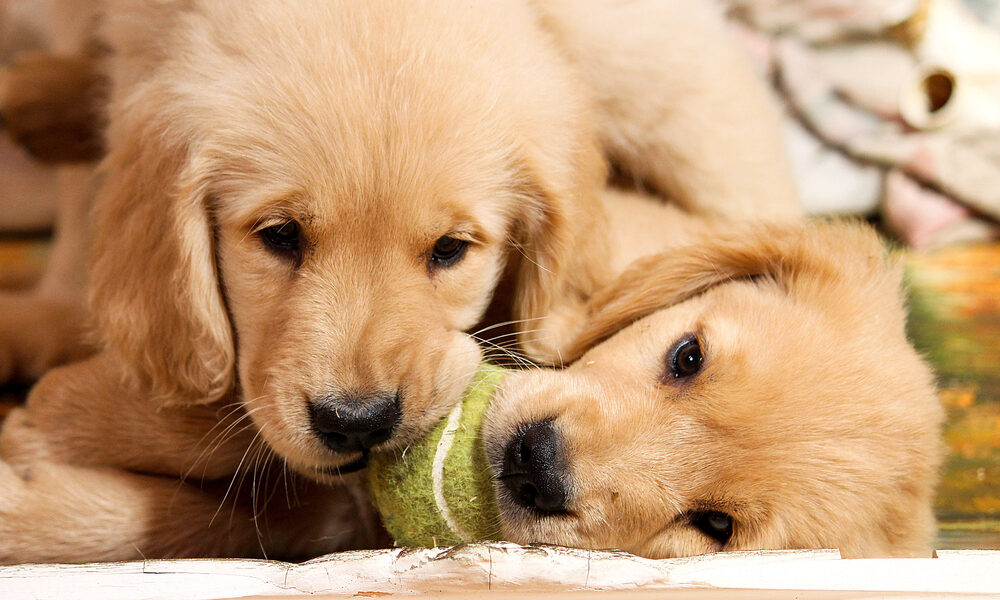
Delighting Hearts with the irresistible cuteness of puppies! Discover the science, evolution, and psychology behind why these adorable pets bring us joy.
Table of Contents
Delighting Hearts: Why Are Puppies So Irresistibly Cute?
I mean, think about it. You see a puppy waddling toward you and something just clicks in your brain. You can’t help yourself. Your hands reach out, your voice goes up three octaves, and suddenly you’re making noises you didn’t know you were capable of. There’s actually a real explanation for all of that, and it goes way deeper than “puppies are cute.”
The Science Behind Cuteness
There’s a concept called kindchenschema — or baby schema, if you want the less intimidating version — that basically explains the whole thing. An ethologist named Konrad Lorenz came up with it, and here’s the gist: certain physical features like a large head, big round eyes, and a soft, rounded body shape trigger our caregiving instincts. It’s hardwired into us. We see those features and our brains go, “Must protect.”
Puppies hit every single one of those markers. Their eyes are huge relative to their heads. Their heads look oversized compared to the rest of their little bodies. Everything about them is round and soft and squishy. It’s like they were designed in a lab to exploit our nurturing instincts — except nature did it all on its own over thousands of years.
I remember the first time I read about kindchenschema and it was one of those moments where everything just clicked. Of course that’s why I lose my composure around puppies. My brain literally can’t help it.
The Role of Evolution
Here’s where it gets really interesting. Puppy cuteness isn’t some happy accident — it’s the result of thousands of years of evolution. The cuter the puppy, the more likely a human was to feed it, shelter it, and keep it safe. Natural selection at work.
Domestication played a massive role here too. When dogs split off from wolves, the ones that looked less threatening and more approachable had a leg up. Early humans probably gravitated toward the friendlier-looking, softer-featured animals when choosing which to breed. Over generations, that selective pressure produced the adorable puppies we know today. It’s honestly wild when you think about it — we co-created puppy cuteness together with nature.
Why Humans Respond to Puppy Cuteness
We’re basically programmed to react to cute things. Even as kids, we gravitate toward toys with big eyes and oversized heads — anything that resembles a cute animal or baby. That instinct runs deep. From an evolutionary standpoint, it makes total sense. Caring for helpless things is how our species survived. Babies needed constant attention, so humans who responded strongly to “cute” signals were more likely to keep their offspring alive.
And then there’s the brain chemistry angle, which I find fascinating. When you interact with a puppy — or even just look at one — your brain releases dopamine. That’s the feel-good chemical. It’s the same stuff that makes you happy when you eat your favorite food or hear a song you love. Puppies literally make your brain reward you for paying attention to them. No wonder people use therapy dogs for mental health. It’s not just a nice idea; there’s real neurochemistry backing it up.
Psychological Influences
Biology and evolution tell part of the story, but culture fills in the rest. We’re constantly surrounded by images of puppies in commercials, movies, and advertising. They’re always cast in heartwarming roles — the loyal companion, the holiday surprise, the symbol of unconditional love. All of that reinforcement shapes how we perceive puppy cuteness. It’s not just instinct; it’s also learned.
There’s a nostalgia component too, and I think this one’s underrated. Seeing a puppy can take you right back to your childhood dog. Maybe it’s the way they tilt their head or the smell of puppy breath. Those emotional connections run deep, and they make the cuteness hit even harder. I’ve got a friend who tears up every time she sees a golden retriever puppy because it reminds her of the dog she grew up with. That kind of emotional layering makes cuteness way more powerful than just a visual reaction.
Behavioral Cues
It’s not just how puppies look — it’s what they do. The playfulness, the clumsiness, the way they trip over their own paws while chasing a ball that’s bigger than their head. Sound familiar? It should. Puppies behave a lot like toddlers, and that parallel isn’t lost on our brains. We see those wobbly explorations and our protective instincts fire up immediately.
Then there are the sounds. Those tiny barks, the little whimpers, the squeaky growls that couldn’t intimidate a stuffed animal. Those vocalizations are remarkably similar to the sounds human infants make, and they trigger the exact same “I need to take care of this little creature” response. My neighbor’s puppy does this thing where it lets out the tiniest whine when it wants attention, and I swear it could convince anyone to drop everything.
The Impact of Fluffy Fur
Let’s talk about fur, because I don’t think we give it enough credit. Puppies typically have this incredibly soft, fluffy coat that just begs to be touched. It’s not only visual — it’s tactile. When you run your hand through a puppy’s fur, something happens. Your stress drops, your mood lifts, and you immediately want to do it again. That tactile feedback loop reinforces all the warm feelings you’re already having.
I’ve noticed that even people who say they’re “not really dog people” will still reach out to pet a fluffy puppy. The texture is just that inviting. It adds a whole extra dimension to the cuteness that you don’t get from just looking at a photo. There’s something about physical contact with that soft coat that seals the deal.
The Power of a Puppy’s Eyes
If you’ve ever been on the receiving end of “puppy eyes,” you know exactly what I’m talking about. Those big, round, impossibly expressive eyes just pull you in. There’s no fighting it. And here’s the kicker — when you make eye contact with a dog, both of you experience an increase in oxytocin. That’s the bonding hormone, the same one that strengthens the connection between a parent and a newborn baby.
So when your puppy stares at you with those wide, curious eyes, it’s not just cute — it’s literally building a chemical bond between you two. I’ve read studies showing that this mutual gaze response is unique to the dog-human relationship among domesticated animals. Dogs figured out how to hack our neurochemistry through eye contact. If that’s not remarkable, I don’t know what is.
Differentiating Cuteness Across Breeds
Now, not every puppy looks the same — and thank goodness for that. Some people go absolutely bonkers for floppy-eared breeds. Others can’t resist a squished face or a spotted coat. Breed diversity means there’s basically a puppy out there for everyone’s personal cuteness preferences.
But here’s what’s interesting: while the specific traits people prefer vary wildly, the underlying reasons we find them cute stay the same. It all comes back to those baby schema features — the big eyes, the round proportions, the soft appearance. A French Bulldog puppy and a Golden Retriever puppy look nothing alike, but they both trigger the same nurturing response. The variety just means that puppy cuteness casts an incredibly wide net. I personally have a weakness for hound puppies with those impossibly long ears, but I’ll be the first to admit that every breed has its own irresistible charm.
Visual Patterns and Their Effects
Coat patterns add another layer to the whole thing. Spots, patches, brindle stripes, merle swirls — these visual variations catch your eye and make each puppy feel unique. I think there’s something about those patterns that makes our brains pay extra attention. A solid-colored puppy is cute, sure. But throw in some unexpected spots or a distinctive marking and suddenly it feels special. One-of-a-kind, even.
That visual variety probably explains why people can scroll through hundreds of puppy photos online and never get bored. Each one looks a little different, and each one hits different. It’s like nature’s version of infinite content creation.
Social Media’s Influence on Perceptions of Cuteness
Speaking of scrolling through puppy photos — social media has completely changed the game. Instagram, TikTok, YouTube — they’re all overflowing with puppy content. And it’s not slowing down. Viral clips of puppies doing goofy things rack up millions of views in hours. When a puppy video hits your feed, you don’t scroll past it. You watch it. Then you share it. Then you watch three more.
This constant exposure has amplified puppy cuteness to a global scale that didn’t exist even twenty years ago. We’re swimming in puppy content, and honestly, I’m not complaining. But it does create this feedback loop where the more puppy cuteness we consume, the more we crave it. I’ve caught myself deep in a puppy video rabbit hole at 1 AM more times than I’d care to admit.
The Role of Movement and Sounds
Photos are great, but there’s something about seeing a puppy in motion that takes the cuteness to another level. Their movements are awkward, uncoordinated, and completely unpredictable. They run sideways, trip over their own feet, and faceplant into things with zero embarrassment. It’s like watching a tiny, furry toddler figure out how legs work. You can’t look away.
The sounds they make amplify everything. Those high-pitched yips, the tiny growls that are more adorable than intimidating, the confused bark when they encounter a leaf for the first time. All those sounds read as vulnerable and innocent to our brains. They’re the audio equivalent of big puppy eyes — small, soft, and impossible to ignore. I once watched a puppy bark at its own reflection for five straight minutes, and I don’t think I’ve ever been more entertained in my life.
Implications for Adoption
Here’s where things get a bit more serious. Our obsession with puppy cuteness has real consequences for pet adoption. Puppies get adopted fast — sometimes within hours of arriving at a shelter. That cuteness factor is a huge driver. People see a puppy and their brains light up with all those dopamine and oxytocin signals we talked about. They want to take it home immediately.
The flip side? Older dogs get overlooked. Senior dogs can sit in shelters for months or even years while puppies fly off the adoption floor. It’s not fair, and it’s a problem that rescue organizations are actively trying to address. I’ve adopted both puppies and senior dogs in my life, and I can tell you from experience that the older ones have just as much love to give — sometimes more. They’re calmer, they’re already trained, and they’re so grateful for a second chance. If you’re thinking about getting a dog, don’t count out the seniors. They might not have that puppy energy, but they’ve got something even better: perspective.
Conclusion
So why are puppies so irresistibly cute? It’s everything, honestly. It’s biology, evolution, psychology, culture, and a dash of neurochemistry all working together. Our brains are wired to respond to them, our history with dogs has fine-tuned that response, and modern media has cranked it up to eleven.
At the end of the day, I don’t think we need to fully understand why puppies melt our hearts to appreciate that they do. But knowing the science behind it? That just makes me appreciate the bond between humans and dogs even more. It’s thousands of years of co-evolution packed into one tiny, fluffy, tail-wagging package. And I wouldn’t have it any other way.




Stay in the loop
Get the latest international wildlife research updates delivered to your inbox.