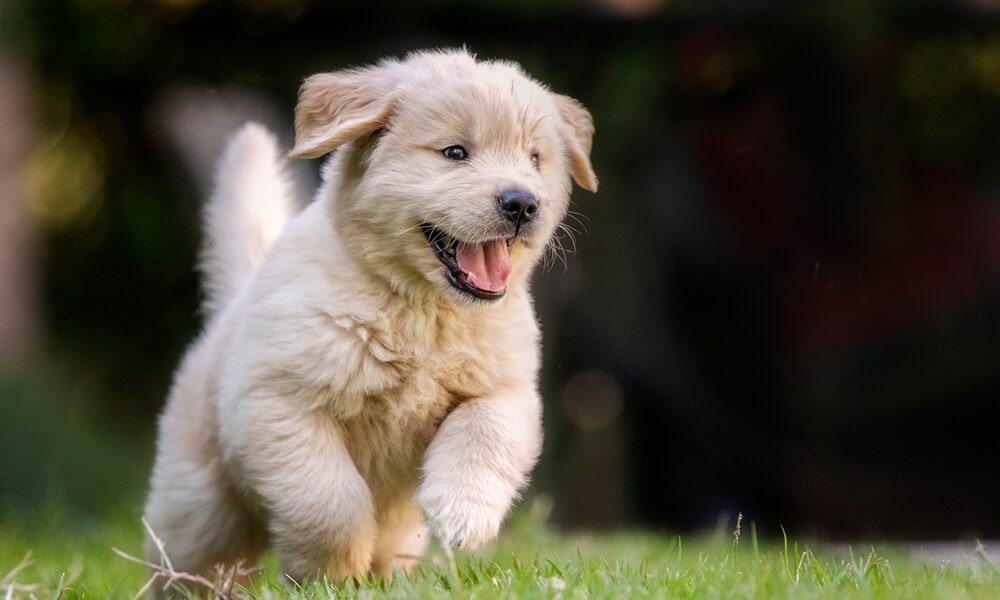
Today, I will share it all with you.
Table of Contents
Understanding the World of Adorable Puppies
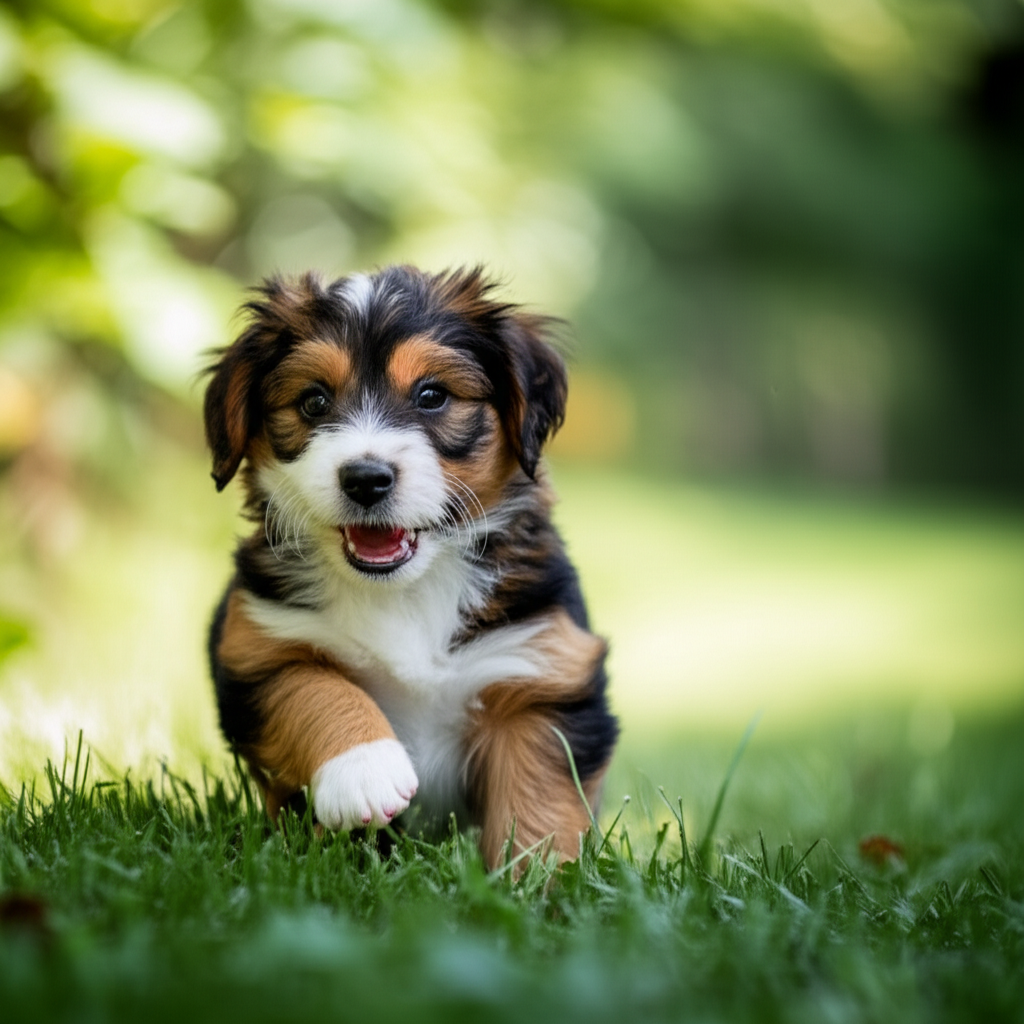
I’ll be honest — I didn’t expect to fall this deep into the puppy rabbit hole. But here we are. Those wiggly little furballs aren’t just cute for the sake of it. There’s a whole world of behavior, development, and care hiding behind those floppy ears and clumsy paws. I’ve spent a lot of time digging into what actually makes puppies tick, and it turns out there’s way more going on than most people realize.
The Early Days
The first few weeks of a puppy’s life are absolutely wild when you stop and think about it. Newborn puppies come into this world blind and deaf. They can’t do much of anything on their own. Mom does all the heavy lifting — keeping them warm, feeding them, basically running a 24/7 puppy support system.
Then around two weeks in, their eyes crack open. Ears start working. And suddenly everything changes. These tiny creatures go from helpless blobs to curious little explorers practically overnight. It’s wild to watch.
Those first eight weeks matter more than most people think. This is where puppies figure out how to be dogs. They wrestle with their littermates, they bark at each other, they nibble and learn when they’ve gone too far. All that rough-and-tumble play? It’s teaching them boundaries. I’ve talked to breeders who are really firm about keeping puppies with the litter through this whole window because skipping it can cause real behavioral gaps down the road.
Jumping into the New World
Around the two-month mark, most puppies are ready to leave their litter and head to a new home. I won’t sugarcoat it — this transition is stressful for them. One day they’re surrounded by siblings, and the next they’re in a completely unfamiliar place with strange smells and new humans. It’s a lot.
If you’re bringing a puppy home, do yourself a favor and prep ahead of time. Puppy-proof the house. Get the cords off the floor, move the shoes somewhere high, and stock up on the basics — food, bowls, a crate, some toys. You don’t want to be scrambling on day one.
The first few nights are usually the roughest. Your new pup is going to miss mom and the rest of the gang. I’ve found that giving them something that smells familiar — a blanket from the breeder’s house, for example — can make a real difference. Keep your feeding schedule consistent and stick to a bathroom routine. Puppies thrive on predictability, even if they don’t look like it when they’re tearing around the living room at midnight.
Nutrition and Health
Here’s something I didn’t fully appreciate until I started really looking into it: what you feed a puppy during those early months shapes so much of their development. You want high-quality puppy food that’s packed with protein because these little guys are growing at a crazy rate. Unlike adult dogs, puppies need to eat more often — we’re talking three or four smaller meals a day instead of one or two big ones.
The exact portion sizes depend on the breed and how big your pup is going to get. A Great Dane puppy and a Chihuahua puppy aren’t eating the same amounts, obviously. Your vet can help you dial in the right balance. And keep that water bowl full — fresh water, all the time, no exceptions.
Vet visits are non-negotiable in the early months. Vaccinations for things like distemper and parvovirus are critical. I’ve heard too many horror stories from people who skipped or delayed shots. You’ll also want to stay on top of worming treatments and flea prevention. Getting into a regular vet routine early means you’ve got a health baseline to work from, and your vet can catch anything sketchy before it turns into a bigger problem.
Training and Behavior
I think the thing that surprised me most about puppies is how fast they pick things up. Their brains are like sponges during those early months. That’s exactly why starting training early pays off so much — you’re working with a mind that’s primed to learn.
Positive reinforcement is the way to go. I’ve tried other approaches and nothing comes close. Treats, praise, consistency — that’s the formula. When you reward a puppy right after they do what you asked, it clicks for them pretty quickly.
Start with the basics: sit, stay, come. These aren’t just party tricks. They form the foundation for everything else you’ll teach them. And house training? That’s going to be your first real test of patience. Set up a schedule for bathroom breaks, take them out first thing in the morning and right after meals, and celebrate like crazy when they go in the right spot. It works. It just takes time and a whole lot of consistency.
The Importance of Socialization
This is one of those things that people underestimate until they’re dealing with a dog who barks at every stranger or panics in new environments. Socialization matters. A lot. You need to expose your puppy to different people, places, animals, sounds — the whole spectrum of what life is going to throw at them.
Puppy classes are fantastic for this. They give your pup a chance to interact with other dogs in a controlled space where everyone’s learning together. I’ve seen shy puppies come out of their shells completely after just a few sessions.
But it’s not just about other dogs. Let them meet different kinds of people. Take them to new places. Let them hear loud noises in a safe context. Every positive experience you stack up during those early months is building a confident, well-adjusted adult dog. Trust me, future you will be grateful.
Recognizing Different Breeds
One thing I’ve learned from spending way too much time around puppies: breed matters more than most first-time owners expect. A Labrador Retriever puppy and a Bulldog puppy might both be adorable, but they’re going to grow into very different dogs with very different needs.
Labs are friendly, smart, and have energy for days. Bulldogs are calmer, a bit more stubborn, and perfectly happy chilling on the couch. Neither is better or worse — it just depends on what fits your life. If you’re an active family who hikes every weekend, a Border Collie is going to be your best friend. If you’re more of a homebody, something like a Cavalier King Charles Spaniel might be a better match.
Don’t forget about grooming and exercise requirements, either. High-energy breeds need serious physical activity or they’ll find their own entertainment — and you probably won’t like what they come up with. Long-haired breeds need regular brushing unless you want to spend your Saturday afternoons working through mats with a detangling comb. Ask me how I know.
Handling Common Challenges
Let’s be real: raising a puppy isn’t all cuddles and Instagram moments. There’s some genuinely frustrating stuff mixed in there too. Teething is probably the biggest one. When those baby teeth start coming in, your puppy will chew on everything. Your shoes, your furniture, the corner of your wall if they can reach it. Stock up on chew toys and redirect them every single time. Eventually they get the message.
Puppy biting is another one that catches people off guard. It’s totally normal — that’s how they explored the world with their littermates. But you’ve got to teach them that human skin isn’t a chew toy. A firm “no” and redirecting to something appropriate goes a long way. Don’t yell or get physical. Just be consistent and they’ll figure it out.
Separation anxiety is the one that really gets to me though. Some puppies become so attached to their humans that being alone sends them into a tailspin. The fix is gradual. Leave for five minutes. Then ten. Then twenty. Build it up slowly so they learn that you always come back. Rushing this process usually backfires, so be patient with it.
Caring for a Puppy as They Grow
Puppies don’t stay puppies forever, even though it sometimes feels like it. As they grow, their needs shift. You’ll want to transition them from puppy food to adult food at the right time — usually around a year for most breeds, though larger breeds might need to wait a bit longer. Your vet can help you figure out the timing.
Keep up with those vet checkups and stay current on vaccinations. Training doesn’t stop either. In fact, ongoing training is what turns a well-behaved puppy into a well-behaved adult dog. Keep challenging them mentally too. Puzzle toys, hide-and-seek games, new tricks — all of it keeps their brain engaged and prevents the boredom that leads to destructive behavior. I’ve found that a mentally tired dog is a happy dog, and a happy dog means a happy owner.
The Joys of Puppyhood
For all the challenges I’ve covered here, I want to end on this: puppyhood is genuinely one of the best experiences you can have as a pet owner. Yes, it’s exhausting. Yes, you’re going to lose at least one pair of shoes. But watching a tiny creature discover the world — figuring out what grass feels like, seeing snow for the first time, learning that the vacuum cleaner isn’t actually a monster — there’s nothing quite like it.
The bond you build during these early months sets the tone for your entire relationship. Every training session, every walk, every time they fall asleep in your lap — it all adds up. The unconditional love you get from a dog starts right here, in these messy, chaotic, beautiful puppy days. And honestly? I wouldn’t trade a single one of them.


Stay in the loop
Get the latest international wildlife research updates delivered to your inbox.