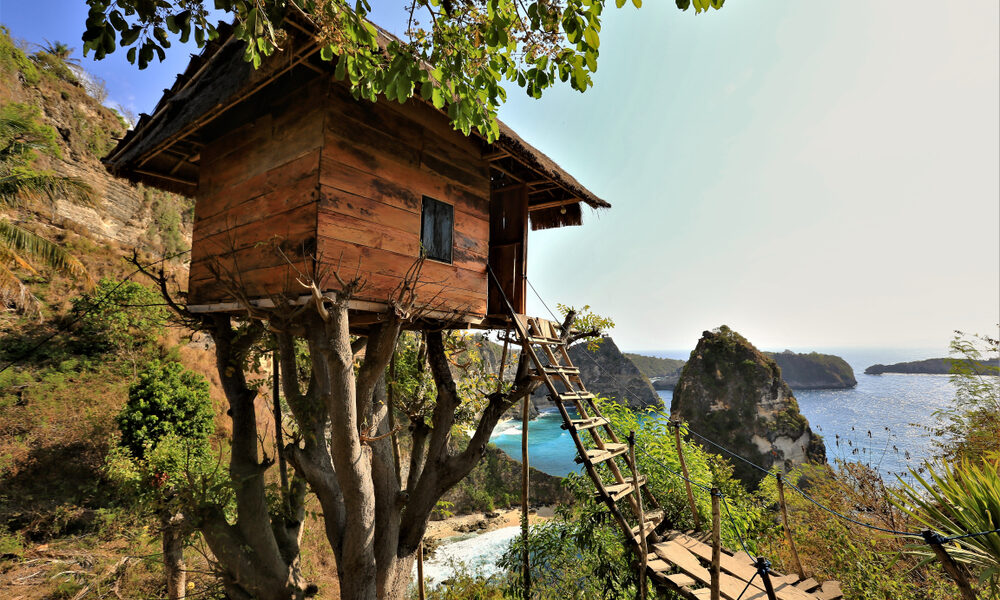
Honoring Legacy: Exploring Treehouse Masters and the Vision of Pete Nelson
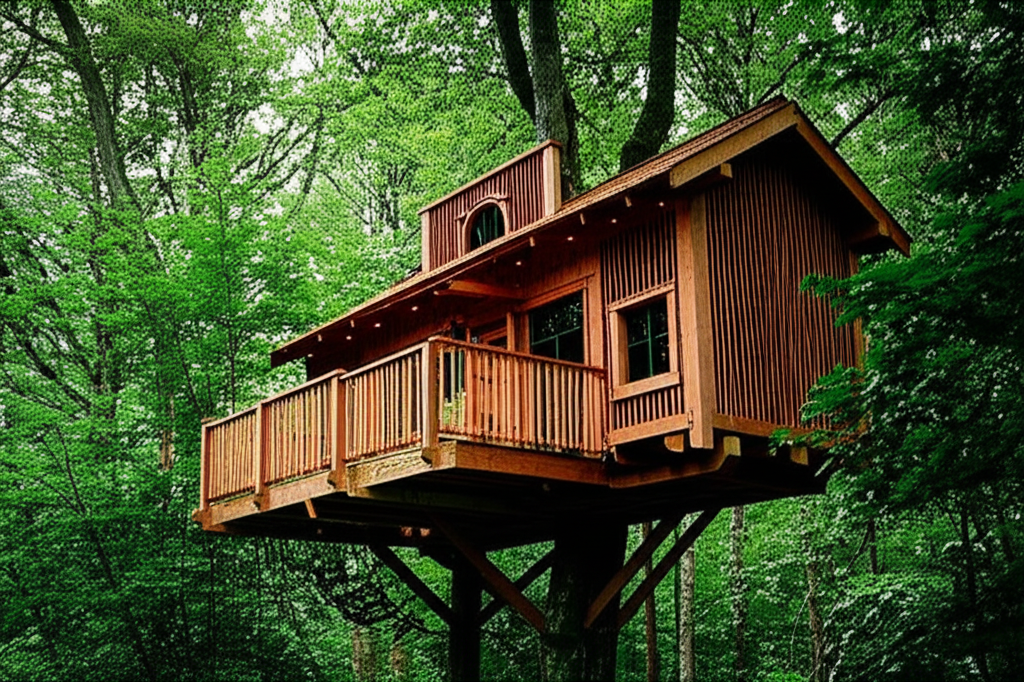
If you’re going to talk about Treehouse Masters, you’ve gotta start with the man behind it all. The show ran on Animal Planet from 2013 to 2018, and I remember stumbling onto it during a late-night channel surf and being completely hooked within about ten minutes. Pete Nelson — builder, designer, and honestly something of a philosopher when it comes to trees — was the driving force behind the whole thing. He didn’t just build treehouses. He built these wild, ambitious structures that made you rethink what a treehouse could even be. And the way he talked about trees? Like they were partners in the project, not just raw material. That pulled me in more than the construction itself.
The Concept of Treehouse Masters
Here’s the basic setup: each episode, Pete and his crew would take on a new client somewhere in the country (and sometimes internationally) and design a completely custom treehouse from scratch. Simple enough on paper. Way more complicated in practice. Some folks wanted a cozy reading nook tucked into an old oak. Others wanted a multi-story retreat with running water, electricity, and spiral staircases wrapping around the trunk. The range was nuts.
What I always appreciated about the show was that it never felt like pure spectacle. Sure, the builds were impressive — some of them jaw-dropping, honestly — but there was always this undercurrent of respect for the environment. They’d talk about which tree species could handle the load, how to attach supports without killing the tree, how to work around root systems. It wasn’t just “look at this cool thing we built.” It was “look at this cool thing we built while keeping the forest intact.”
And the challenges were real. Different tree species behave differently under stress. Weather doesn’t care about your build schedule. Clients change their minds halfway through. Pete’s crew rolled with all of it, and that adaptability was half the fun of watching.
Pete Nelson: The Treehouse Master
Pete didn’t just wake up one day and decide to build treehouses for TV. The guy had been at this for decades before Animal Planet came calling. He came from a construction background, but somewhere along the way, his love for the outdoors steered him toward this incredibly niche corner of architecture. And I mean niche — before Treehouse Masters, most people thought of treehouses as rickety platforms nailed to a backyard elm. Pete changed that entirely.
He’s written several books on treehouse design and construction, which I’ve flipped through and can tell you they’re genuinely useful — not just coffee table decorations. The knowledge runs deep. But what really sets Pete apart isn’t just the technical skill. It’s his whole outlook. He talks about building in harmony with nature, about letting the tree dictate the design rather than forcing a blueprint onto a living organism. That’s not typical contractor talk. That’s somebody who genuinely cares about what they’re doing and why.
His philosophy struck a chord with viewers because it felt authentic. You can tell when someone’s performing passion for the camera versus when they actually live it. Pete lives it. Every tree he hugs on camera — and yes, he hugs a lot of trees — you can tell he means it.
Impact and Influence of Treehouse Masters
The ripple effects of this show were bigger than I think anyone anticipated. Before Treehouse Masters, treehouse building was pretty underground. Afterward? People were quitting office jobs to learn carpentry. Hobbyists were sketching designs on napkins. Architects were incorporating tree-based structures into their portfolios. The show didn’t just entertain people — it actually moved the needle on how we think about alternative living spaces.
You can have both if you’re willing to think creatively and work with what the land gives you.
The sustainability angle was a big part of the show’s appeal, and it wasn’t preachy about it either. They’d use reclaimed wood, recycled materials, and eco-friendly finishes — but it was woven into the storytelling naturally. You’d watch them salvage old-growth lumber from a demolished barn and turn it into a cathedral ceiling forty feet up in the canopy. That kind of resourcefulness is inspiring whether you care about the environment or not. It’s just good building.
The Legacy of Treehouse Masters
The show wrapped up in 2018, but the story didn’t end there. Not even close. Pete kept building through his family business, Nelson Treehouse and Supply, which honestly might be doing more interesting work now than they ever did on TV. Without the constraints of a 44-minute episode format, they’ve been able to take on longer, more complex projects and really push what’s possible.
- Many of the treehouses built on the show remain beloved destinations for fans.
- The show inspired a surge in treehouse tourism, with destinations offering guests the chance to stay in these arboreal havens.
- Pete’s books and workshops continue to educate and inspire new generations of treehouse enthusiasts and builders.
Pete’s vision extended beyond television, into forests and backyards worldwide. I’ve seen people on social media share their own builds that were directly inspired by episodes of the show. Some are modest — a simple platform with a railing and a roof. Others are ambitious enough to rival what Pete’s crew put together. Either way, the fact that a TV show got people outside with power tools and a dream says something about its lasting influence.
The Sudden Passing of a Treehouse Team Member
This is the part that’s tough to write about. In 2016, the show’s community was rocked by the unexpected death of Alex Meyer, a carpenter who’d appeared in several episodes. If you watched those episodes, you’d remember Alex — he was the kind of guy who clearly loved what he was doing. Skilled with his hands, warm with the people around him, and dedicated to every project he touched.
Losing a team member like that changed the texture of the show. The episodes that aired after his passing included tributes that were genuinely moving. They didn’t feel manufactured or exploitative. The crew shared real memories, real grief, and real appreciation for the work Alex had contributed. It was a reminder that behind the spectacular builds and camera-ready reveals, this was a tight-knit group of people who cared about each other.
Pete and the rest of the team channeled that loss into their work. If anything, the projects that followed showed even more heart. They built with a renewed sense of purpose, which I think Alex would’ve appreciated. You could see it in the details — the extra care, the moments where the crew would pause and just look at what they’d made. It wasn’t just construction anymore. It was tribute.
Beyond the Show: Continuing the Dream
Once the cameras stopped rolling, Pete and his team didn’t slow down one bit. Nelson Treehouse and Supply kept right on going, taking on projects and consultations for clients who wanted that same magic they’d seen on screen. The company’s become a real authority in this space — if you’re serious about building a treehouse, they’re probably the first name that comes up in your research.
They’ve also built an incredible community around workshops and events. I’ve looked into attending one, and from what former attendees say, it’s like treehouse summer camp for adults. You get hands-on building experience, you learn the technical stuff about tree biology and load-bearing calculations, and you connect with other people who share this slightly obsessive interest in arboreal architecture. It sounds kind of wonderful, honestly.
The broader appeal of treehouse living hasn’t faded either. If anything, it’s grown. People are tired of conventional housing. They want something that feels different, something that reconnects them with the natural world. A treehouse isn’t just a quirky vacation rental — though plenty of them serve that purpose now. It’s a statement about priorities. About choosing experience over square footage. About trading a finished basement for a view of the canopy.
The Continuing Inspiration of Treehouse Architecture
The influence of Treehouse Masters keeps showing up in unexpected places. Architects who never would’ve considered tree-based structures are now incorporating them into resort designs, nature retreats, and even urban installations. Pete’s work proved there was a market for this kind of thing, and the industry responded.
What I find most interesting is how the constraints of treehouse building — the irregular shapes, the need to work around branches and root systems, the structural demands of attaching to a living, growing organism — actually push designers to be more creative. You can’t just slap a standard floor plan onto a Douglas fir. You’ve got to adapt, improvise, think three-dimensionally in ways that ground-based construction rarely demands. That creative friction produces some genuinely stunning results.
There’s also something deeply calming about treehouses that I think explains their enduring appeal. You climb up, you’re surrounded by leaves and wind and birdsong, and the world below just sort of… recedes. That feeling isn’t accidental. It’s built into the very nature of what a treehouse is — a retreat in the most literal sense. Pete understood that from the beginning, and it’s why his designs always prioritized the experience of being in the space, not just the aesthetics of looking at it from the ground.
The comfort and calm that treehouses offer? That’s what keeps people coming back to this idea, year after year. They’re a reminder that the natural world isn’t something we need to conquer or pave over. We can build within it, alongside it, and come out better for the effort.




Stay in the loop
Get the latest international wildlife research updates delivered to your inbox.