Today, I will share it all with you.
Why Steve Irwin Still Matters
If you grew up in the 90s or early 2000s, there’s a decent chance you can still hear that unmistakable “Crikey!” ringing in your head. That was Steve Irwin, and let me tell you — the man wasn’t putting on an act. He was born in Melbourne in 1962, and his parents literally ran a reptile park. So while the rest of us were playing with toy dinosaurs, little Steve was handling actual living reptiles. Not exactly your average childhood, right?
He was born into it, shaped by it, and genuinely couldn’t imagine doing anything else.
Growing Up in a Reptile Park (Yes, Really)
Because understanding Steve’s childhood explains everything about the man he became. From a ridiculously young age, he was hands-on with the animals in his parents’ park. By nine years old — nine! — the kid was handling crocodiles. I don’t know about you, but at nine I was terrified of the neighbor’s dog.
His father, Bob Irwin, was a genuine wildlife expert who drilled into Steve a bone-deep respect for animals. And his mum, Lyn Irwin, matched that love for the natural world tenfold. Together they built an environment where caring about critters wasn’t just encouraged — it was the family business.
Here’s the part that really gets me, though. Before Steve was famous, before cameras followed him around, he was volunteering for crocodile relocation programs. We’re talking about capturing problem crocs that had wandered into populated areas and moving them somewhere safer. Dangerous work. Unglamorous work. And he did it because he genuinely cared, not because anybody was watching.
How The Crocodile Hunter Took Over the World
In 1991, Steve took the reins of his family’s Reptile and Fauna Park and renamed it the Australia Zoo. And he didn’t just keep the lights on — he transformed the whole operation. Conservation and education became the pillars. The zoo grew. People noticed.
But the real explosion happened in 1996 when The Crocodile Hunter hit television screens. Here’s the wild part: the first episodes were filmed during Steve and his wife Terri’s honeymoon. Most couples go to Cancun. Steve and Terri went croc-hunting with a camera crew. I honestly can’t think of anything more perfectly “Steve Irwin” than that.
The show’s formula was deceptively simple. Get Steve close to dangerous animals. Let his genuine excitement do the rest. No scripts, no pretending. Just pure, unfiltered passion for every creature he encountered. Audiences around the world ate it up because you could tell — you could feel — that this wasn’t an act. The man was having the time of his life, and conservation suddenly didn’t feel like a boring lecture anymore. It felt like an adventure.
Conservation That Actually Reached People
Here’s what separated Steve from the pack. Lots of people care about conservation. Plenty of scientists and activists dedicate their lives to it. But Steve had something most of them didn’t: the ability to make regular people give a damn. He’d get right up next to a snake or a spider and explain why this particular creature mattered, and suddenly millions of viewers were thinking, “Huh, maybe that thing isn’t so scary after all.”
He took it further than TV, too. Under Steve’s leadership, the Australia Zoo launched Wildlife Warriors, a conservation foundation that’s still going strong today. The foundation has its fingerprints on projects all over the globe — tiger conservation in Sumatra, elephant research in Cambodia, and a whole lot more. It wasn’t enough for Steve to just talk about saving animals on camera. He put his money and his time where his mouth was, and that foundation is living proof of it.
The Controversies (Because There Were Some)
I’d be lying if I said everybody loved Steve’s methods. Some wildlife experts had real concerns about his hands-on approach. The criticism wasn’t entirely unfair, either — there’s a legitimate argument that showing someone wrestling a crocodile on TV might encourage untrained people to try something similar. And that infamous incident where he held baby Robert near a crocodile during a feeding? People lost their minds over that one.
But Steve always had a counter-argument, and it was a pretty good one. He believed that if you couldn’t get people’s attention first, you’d never educate them. The close encounters were the hook. The education was the payload. And honestly? Looking at how many kids grew up watching his show and went on to care about wildlife, I think he was onto something. Was it risky? Absolutely. Did it work? The numbers speak for themselves.
One thing that doesn’t get enough credit is Steve’s insistence on featuring ALL animals, not just the photogenic ones. Lions and elephants get all the love on nature documentaries. Steve would dedicate an entire segment to a lizard. Or an insect. He treated every single creature as worthy of attention and respect, and that quietly broadened millions of people’s understanding of what “wildlife” actually means.
September 4, 2006 — and Everything After
I still remember where I was when I heard the news. September 4, 2006. Steve was filming an underwater documentary at the Great Barrier Reef when a stingray barb pierced his chest. He was 44 years old. It felt like losing a family member you’d never actually met, and I know I wasn’t the only one who felt that way.
But here’s the thing about legacies built on genuine passion — they don’t die with the person. Steve’s family picked up exactly where he left off:
- Bindi Irwin: Steve’s daughter has become a conservationist and media personality in her own right. She works at the Australia Zoo and carries her dad’s torch with a fierceness that would’ve made him incredibly proud.
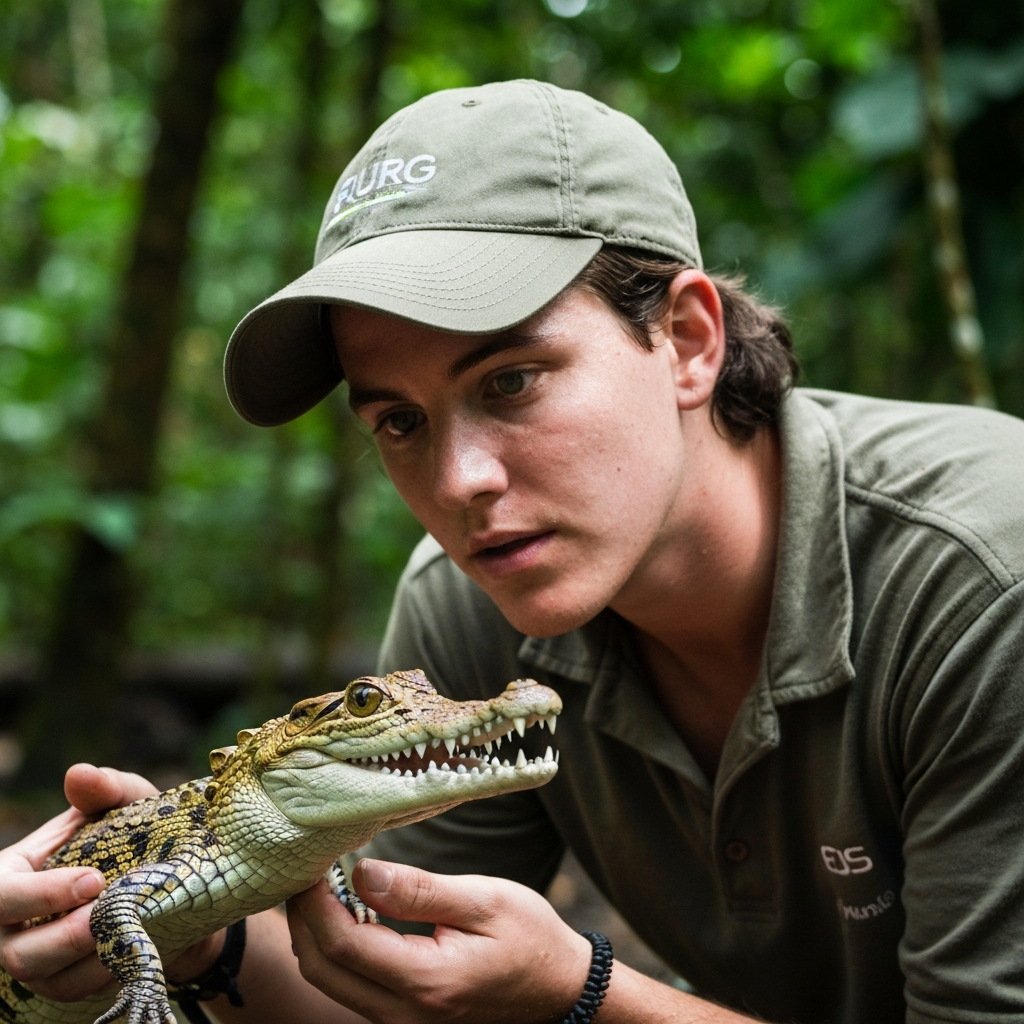
- Robert Irwin: Steve’s son is a seriously talented wildlife photographer — the kind of talent that makes you do a double-take. He’s deeply involved in the zoo’s educational programs and has that same sparkle in his eye when he talks about animals.
- Terri Irwin: Steve’s wife has been the backbone of everything. She leads the Australia Zoo’s conservation efforts and advocates for wildlife issues on a global scale. The zoo didn’t just survive without Steve — it thrived, and Terri deserves enormous credit for that.
And then there’s the cultural stuff. “Crikey!” became a global catchphrase. Steve Irwin Day is celebrated every year. The man became a symbol — not just of Australia, but of what it looks like when someone genuinely, wholeheartedly loves what they do. You can’t fake that kind of impact.
Where Conservation Goes From Here
I won’t sugarcoat it — the conservation challenges we face today are enormous. Habitat destruction isn’t slowing down. Climate change is reshaping ecosystems faster than many species can adapt. Poaching is still a massive problem in too many parts of the world. It’s easy to feel overwhelmed by the scale of it all.
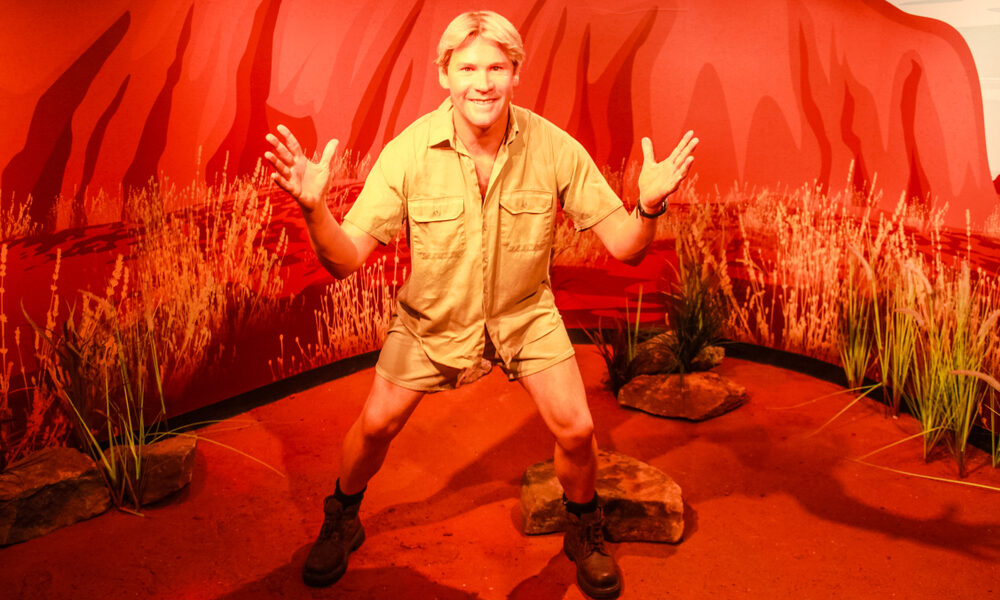
But that’s exactly why people like Steve matter so much. He showed us that one person — one loud, enthusiastic, slightly crazy person in khaki shorts — can shift the conversation. He proved that if you make people care, they’ll act. And we need that now more than ever.
Steve’s work at the Australia Zoo remains a model for how conservation can work in the modern world. It blends education with entertainment, making people feel something rather than just throwing statistics at them. That approach works. It always has. Future conservationists would do well to study the Steve Irwin playbook — lead with passion, back it up with science, and never, ever talk down to your audience.
The Power of Media in Saving Wildlife
Let’s talk about something Steve understood intuitively that a lot of conservation folks still struggle with: media is everything. The Crocodile Hunter reached millions of people in dozens of countries. It brought wildlife into living rooms where the closest thing to nature was a houseplant. Steve didn’t just use TV — he weaponized it for good.
Today, the tools have evolved but the principle is the same. Social media, YouTube, TikTok — these platforms give conservationists reach that Steve could’ve only dreamed of. Robert Irwin’s Instagram, for example, reaches millions of people with stunning wildlife photography and behind-the-scenes zoo content. The apple didn’t fall far from the tree there.
And media isn’t just about education anymore. It’s a tool for advocacy and real policy change. A viral video of deforestation can spark outrage that moves legislation. A well-told story about an endangered species can unlock funding that saves a habitat. Steve pioneered this intersection of media and conservation, and the people carrying that work forward today owe him a massive debt. We all do, honestly.



Stay in the loop
Get the latest international wildlife research updates delivered to your inbox.