Today, I will share it all with you.
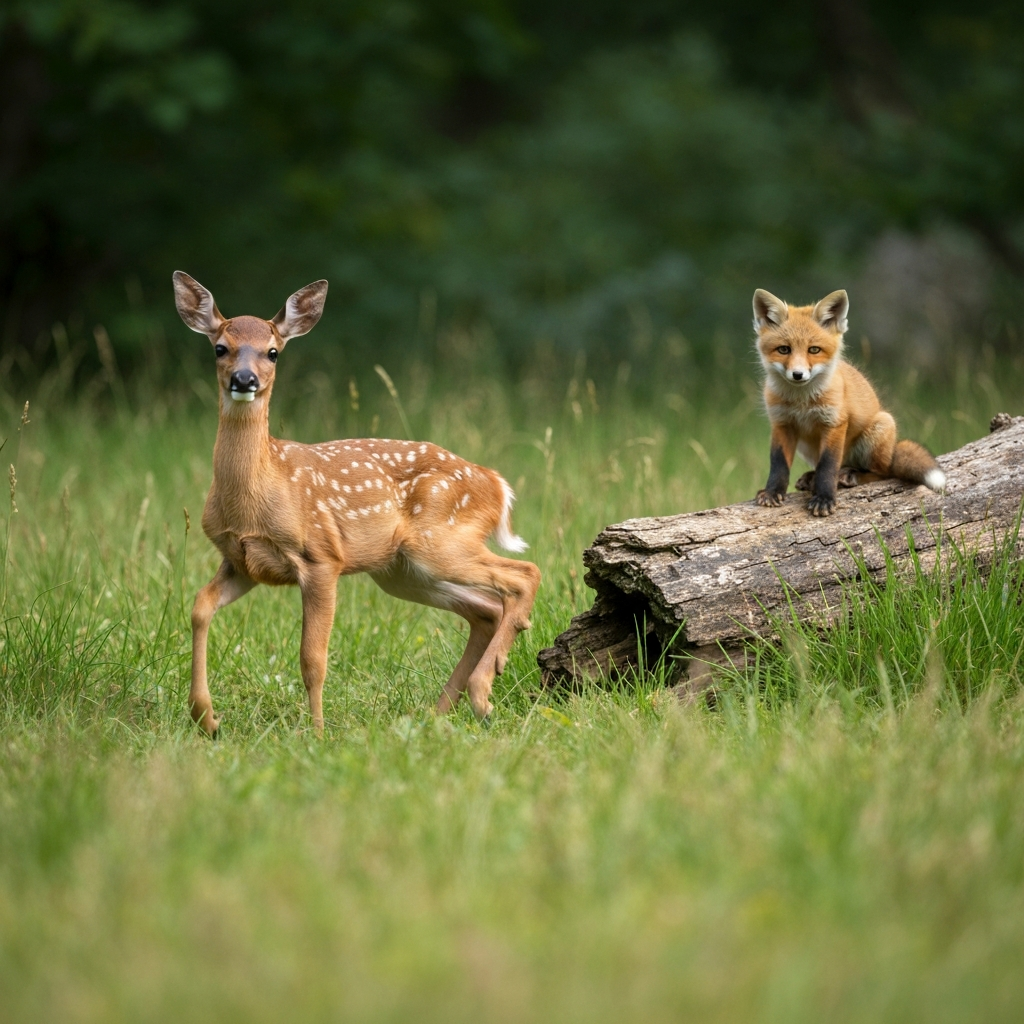
Table of Contents
Adorable Animals Captivating Cuteness in Nature & the Science Behind It
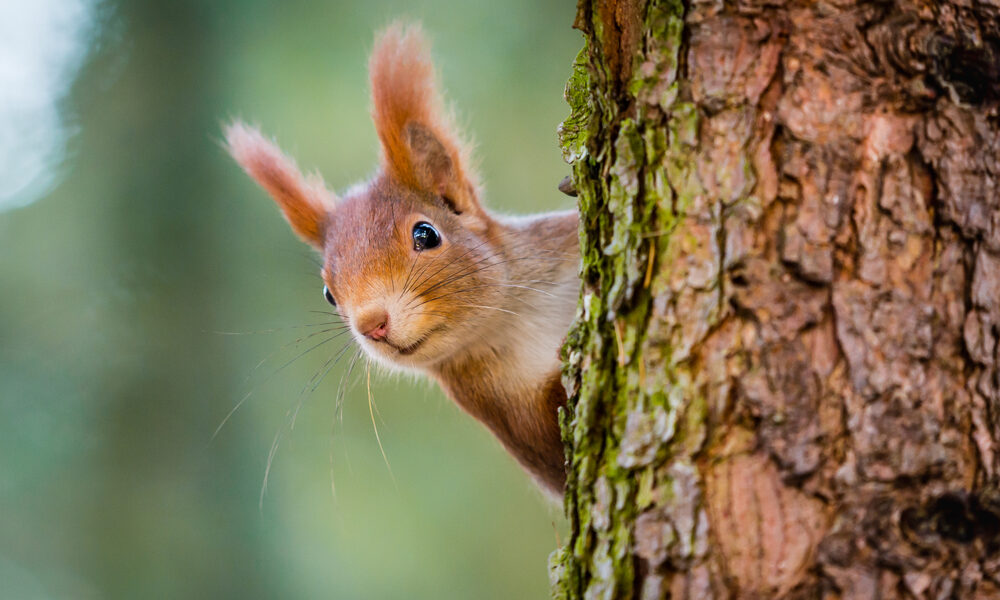
Okay, let’s be honest — you’ve seen a kitten video today, haven’t you? Or maybe a puppy with floppy ears doing something ridiculous. I’m not judging. I’ve lost entire afternoons to this stuff. But here’s what I find way more interesting than just scrolling: there’s actual science behind why we lose our minds over cute animals. It’s not random. An ethologist named Konrad Lorenz came up with this concept called “baby schema” — basically a set of physical traits like big heads relative to body size, oversized eyes, tiny noses, and round, pudgy bodies. Sound familiar? Those are the same features we find irresistible in human babies. Our brains literally can’t help it. We see those proportions and something primal kicks in.
Evolutionary Roots of Cuteness
Because cuteness isn’t just some fluffy concept — it’s deeply rooted in how we’ve survived as a species. When we see something cute, our brains flip into caregiving mode. That response was critical for keeping human infants alive, since let’s face it, babies are completely helpless for a really long time. But here’s where it gets wild: this doesn’t stop at our own species. Some animals have actually evolved to exploit these same baby-like traits to get care and protection from entirely different species. It’s called interspecies adoption, and it happens more than you’d think. There are documented cases of animals with baby-like features getting “adopted” by other species because they trigger that same nurturing response. Evolution is sneaky like that.
The Role of Cuteness in Animal Behavior
Here’s something I didn’t fully appreciate until I started really paying attention: animals don’t just look cute by accident — many of them actively behave in ways that crank up the cuteness factor. Dogs doing that head-tilt thing? That’s not just confusion. It’s partly a learned behavior that gets them attention, food, and affection. Lambs bleating softly, kittens kneading with their paws, baby otters floating on their backs — these behaviors serve a purpose. They strengthen social bonds. They increase the chances that another animal (or a smitten human) will take care of them. Playful behavior in particular seems to be a universal “I’m adorable, please love me” signal across tons of species. And honestly? It works on me every single time.
Neuroscience and Cuteness
So what’s actually going on upstairs when we see a baby panda rolling down a hill? Our brains light up like a pinball machine, that’s what. Specifically, seeing cute animals fires up the mesocorticolimbic system — that’s the brain’s reward and pleasure center. It dumps dopamine into your system, which is the same neurotransmitter involved in eating your favorite food or hearing a song you love. I think that’s why people describe cute animal encounters as almost addictive. You aren’t just “aww-ing” for fun; your brain is giving you a chemical reward for paying attention to something that looks like it needs caring for. It also ramps up empathy, which I’d argue we could all use a bit more of these days.
Cuteness Overflow: Viral Animal Videos
No surprise here — cute animal videos dominate the internet and they have for years. But there’s actually a really interesting study that found watching cute animal content can improve your concentration and task performance afterward. I know that sounds like I’m making an excuse for watching cat compilations during work hours, but it’s legit research. The theory goes that cute images put your brain into a focused, attentive state similar to what happens when you’re nurturing something. So your attention sharpens. You become more careful. I’ve tried to use this as a productivity hack, and while I can’t say it’s transformed my work life, I can say I feel a whole lot better after a good otter video.
Impact of Cuteness on Conservation
This is where things get really interesting — and a little frustrating, if I’m being truthful. Cuteness has a massive impact on which animals get conservation dollars and which ones don’t. Think about it: pandas have an entire global brand built around their adorable faces. Koalas too. Red pandas, baby seals, snow leopards — they’re all conservation darlings, and a big reason is that people open their wallets for animals they think are cute. Organizations know this. Marketing campaigns lean heavily into the “look at this sweet face” approach because it works. And while I’m glad those species get the help they need, it does create a pretty lopsided system.
Cuteness Bias: A Double-Edged Sword
Here’s the uncomfortable truth: while pandas rake in millions in conservation funding, some of the most ecologically vital creatures on the planet get almost nothing. Nobody’s running a donation campaign for the blobfish or the naked mole rat. Insects, which are foundational to virtually every ecosystem on Earth, are facing catastrophic decline — but good luck getting people to donate to save a beetle. This cuteness bias is a real problem in conservation circles, and it’s something I think about a lot. We need strategies that go beyond visual appeal and focus on ecological importance. I’m not saying we should stop caring about cute animals. I’m saying we should start caring about the ugly ones too. That said, I’ve seen some people argue that naked mole rats are cute in their own way, so maybe there’s hope.
How Domestication Enhances Cuteness
Domestication is basically thousands of years of humans selectively breeding animals to be cuter. We don’t always think about it that way, but that’s essentially what happened. Dogs are the textbook example. Wolves — their ancestors — don’t exactly scream “cuddle me.” But over roughly 15,000 years of selective breeding, we ended up with golden retrievers, corgis, and pugs. We amplified the baby-like features: bigger eyes, rounder faces, floppier ears, smaller bodies. We also selected for friendlier, more playful temperaments. The result? Animals that are basically engineered to push every cuteness button we have. Cats went through a similar process, though they’d probably argue they domesticated us.
Domestication and Human-Animal Bonds
Domesticated animals have gotten remarkably good at communicating with us, and I don’t think we appreciate that enough. Dogs have developed a specific muscle around their eyes that wolves don’t have — it lets them make that “puppy dog eyes” expression that absolutely wrecks us emotionally. Cats have evolved a particular type of meow they use only with humans, not with other cats. It’s pitched at a frequency similar to a baby’s cry. They’re literally mimicking our infants to get what they want. Is it manipulative? Kind of. Do I mind? Not even a little bit. This interspecies communication we’ve built over millennia is rooted in cuteness perception, and it’s created bonds between humans and animals that are genuinely profound.
Cultural Variations in Perceptions of Cuteness
What counts as cute isn’t universal, and I find the cultural differences absolutely fascinating. Japan’s kawaii culture is probably the most well-known example. Cuteness in Japan isn’t just an aesthetic preference — it’s woven into everyday life, from fashion to food packaging to corporate mascots. Kawaii emphasizes smallness, roundness, innocence, and vulnerability. It’s an entire philosophy. Western cultures tend to appreciate cuteness too, obviously, but we often blend it with other values like intelligence or usefulness. A golden retriever is cute, sure, but we also like that it’s smart and loyal. In many South American and African cultures, the relationship with animals is more practical, though that doesn’t mean there isn’t affection — it just takes different forms. These cultural lenses shape which animals we fawn over and which ones we barely notice.
Cuteness in Wildlife Tourism
Have you ever planned a trip specifically to see a cute animal? I have. Twice, actually. And I’m far from alone — sloths in Costa Rica, penguins in Antarctica, quokkas in Australia, and pandas in China draw millions of visitors every year. Wildlife tourism is a massive industry, and cuteness is arguably its biggest driver. But there’s a dark side to this that I’ve become increasingly aware of. Over-tourism can seriously stress animal populations and damage habitats. Some places have had to limit visitors because the sheer volume of people wanting selfies with quokkas was disrupting the animals’ natural behaviors. I still think wildlife tourism can be done right — it’s a great way to fund conservation and build public awareness — but it needs to be managed carefully. The animals we’re showing up to gawk at deserve better than being treated like photo props.
Artificial Intelligence and Cuteness
This is a newer development that I have mixed feelings about. AI can now generate hyper-realistic images and videos of animals that never existed. And because the algorithms know what we respond to — big eyes, round faces, fuzzy bodies — they can create images that are engineered to be maximally cute. You’ve probably scrolled past some of these on social media without even realizing they weren’t real. These AI-generated visuals are specifically designed to exploit baby schema and keep you engaged on digital platforms. It’s effective, no question. But it raises some uncomfortable questions about authenticity. If we’re getting our cuteness fix from fake animals, does that dilute our connection to real wildlife? I don’t have a firm answer yet, but it’s something worth thinking about.
The Future of Cuteness in Digital Media
Digital platforms have figured out that cute animal content is basically engagement gold, and they’re not going to stop using it anytime soon. Communities built around shared appreciation for adorable animals — whether it’s a subreddit for baby elephants or an Instagram account dedicated to chunky cats — bring people together in a way that very few other types of content can. Looking ahead, I think augmented reality and virtual reality are going to take this even further. Imagine being able to “interact” with a baby red panda through AR glasses. It sounds amazing, and frankly, I’d be first in line. But I also think we need to make sure the digital experience doesn’t replace the real thing. The actual animals, in their actual habitats, doing their actual cute stuff — that’s what matters. The tech should serve as a bridge to caring about real wildlife, not a replacement for it. That’s the balance I hope we can strike going forward.


Stay in the loop
Get the latest international wildlife research updates delivered to your inbox.