
In a devastating blow to wildlife conservation, a catastrophic flood in northern Sumatra has killed between 6 and 11 percent of the entire Tapanuli orangutan population—a species so rare it was only formally described by science in 2017.
The November 2025 flooding event in the Batang Toru ecosystem represents one of the most significant single-event losses for any great ape species in recorded history. With a pre-disaster population estimated at just 800 individuals, the loss of potentially dozens of these critically endangered apes has sent shockwaves through the global conservation community.

Orangutans are among the most intelligent and endangered great apes on Earth. Photo: Unsplash
The World’s Rarest Great Ape Faces an Existential Threat
The Tapanuli orangutan (Pongo tapanuliensis) holds a unique and precarious position in the animal kingdom. When researchers formally described it as a distinct species in 2017, it immediately became the rarest great ape on the planet. Found only in the Batang Toru forest of North Sumatra, Indonesia, these orangutans number fewer than 800 individuals—making every single death a significant blow to the species’ survival.
What makes this population loss particularly alarming is the concentrated nature of the disaster. Unlike gradual habitat loss, which allows some adaptation and population movement, the November flood struck with sudden, overwhelming force. Entire family groups were swept away. Mothers with dependent infants had no chance of escape. Young orangutans learning to navigate the forest canopy were caught in rising waters that transformed their home into a death trap.
Dr. Erik Meijaard, a conservation scientist who has studied Bornean and Sumatran orangutans for decades, described the event as “potentially the worst single disaster to hit any great ape population in modern times.” The mathematics are brutal: if 50 to 90 orangutans perished—representing 6 to 11 percent of the species—it could take generations for the population to recover, assuming recovery is even possible given ongoing threats.
How the Flood Unfolded
The disaster began in late November 2025 when unprecedented rainfall pounded the mountainous terrain of North Sumatra. The Batang Toru ecosystem, already stressed by years of encroachment and climate variability, could not absorb the deluge. Rivers burst their banks. Landslides tore through forest corridors. The orangutans’ refuge became a trap.
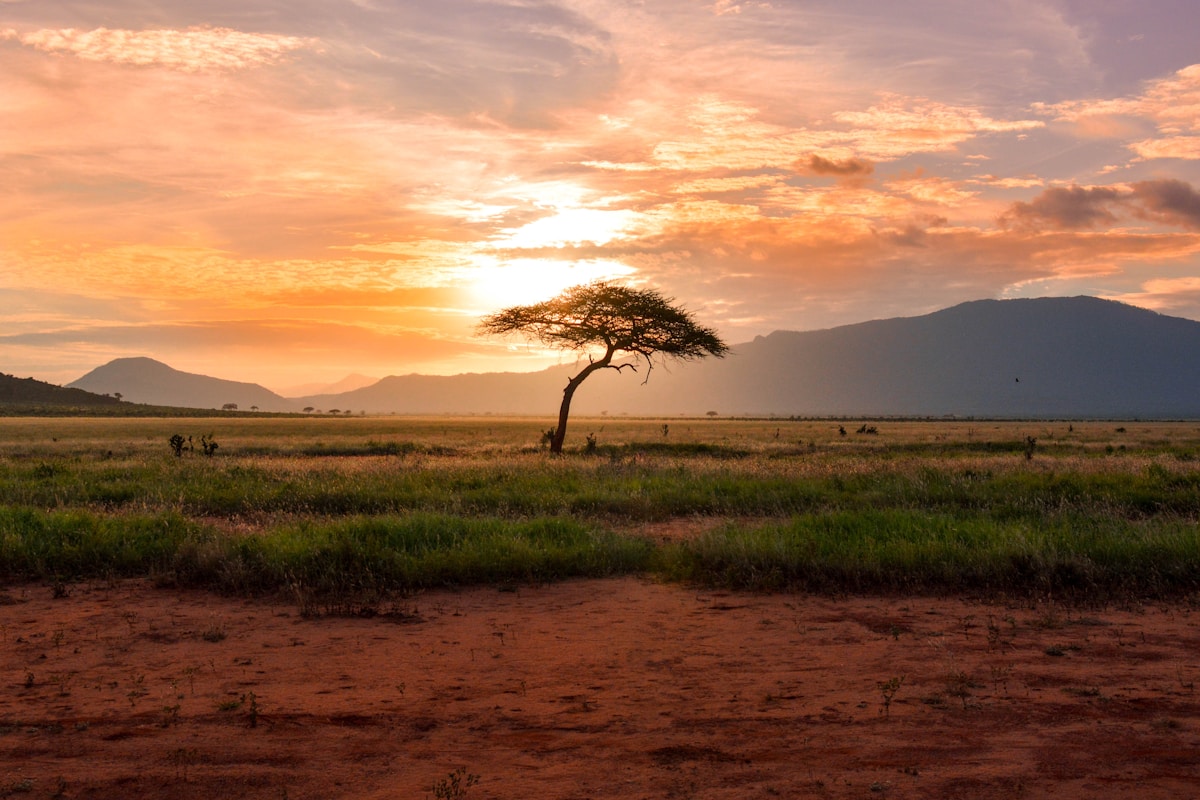
Extreme flooding events are becoming more frequent and severe due to climate change. Photo: Unsplash
Orangutans are primarily arboreal, spending most of their lives in the forest canopy. However, they must occasionally descend to the forest floor to travel between fragmented habitat patches, access mineral-rich soil, or cross areas where the canopy is broken. During a flood event of this magnitude, those on the ground had little chance. Even those in the trees faced danger as saturated soil gave way, toppling the very trees that provided their sanctuary.
Local conservation teams reported finding bodies of orangutans in the aftermath. Others simply vanished—their fates unknown but presumed fatal given the scale of destruction. The full death toll may never be precisely known, as many bodies were likely carried downstream or buried in debris.
Climate Change Amplifies Natural Disasters
While Indonesia has always experienced seasonal flooding, climate change is supercharging these events. Warmer ocean temperatures in the Indian Ocean and South China Sea pump more moisture into weather systems. When these systems collide with Sumatra’s mountainous terrain, the result is increasingly extreme precipitation.
The November 2025 flood was not a once-in-a-century event. Similar catastrophic flooding has become a recurring nightmare across Indonesia, with major events occurring with increasing frequency. Scientists project that such extreme weather will only intensify as global temperatures continue to rise.
For species like the Tapanuli orangutan, which have nowhere else to go, this represents an existential threat layered upon existing dangers. Climate change does not operate in isolation—it compounds every other pressure these animals face, from habitat loss to human encroachment to disease.
The Unique Story of the Tapanuli Orangutan
The Tapanuli orangutan’s recognition as a distinct species in 2017 was a landmark moment in primatology. For decades, scientists believed there were only two orangutan species: the Bornean orangutan (Pongo pygmaeus) and the Sumatran orangutan (Pongo abelii). The Tapanuli population, isolated in a small mountainous region south of Lake Toba, was assumed to be a subgroup of Sumatran orangutans.
Detailed genetic analysis and morphological studies revealed the truth: these orangutans had been separated from other Sumatran populations for approximately 3.4 million years. They have distinctive features, including frizzier hair, smaller heads, and flatter faces than their northern cousins. Their long calls—the vocalizations male orangutans use to communicate across the forest—have a unique pattern found nowhere else.
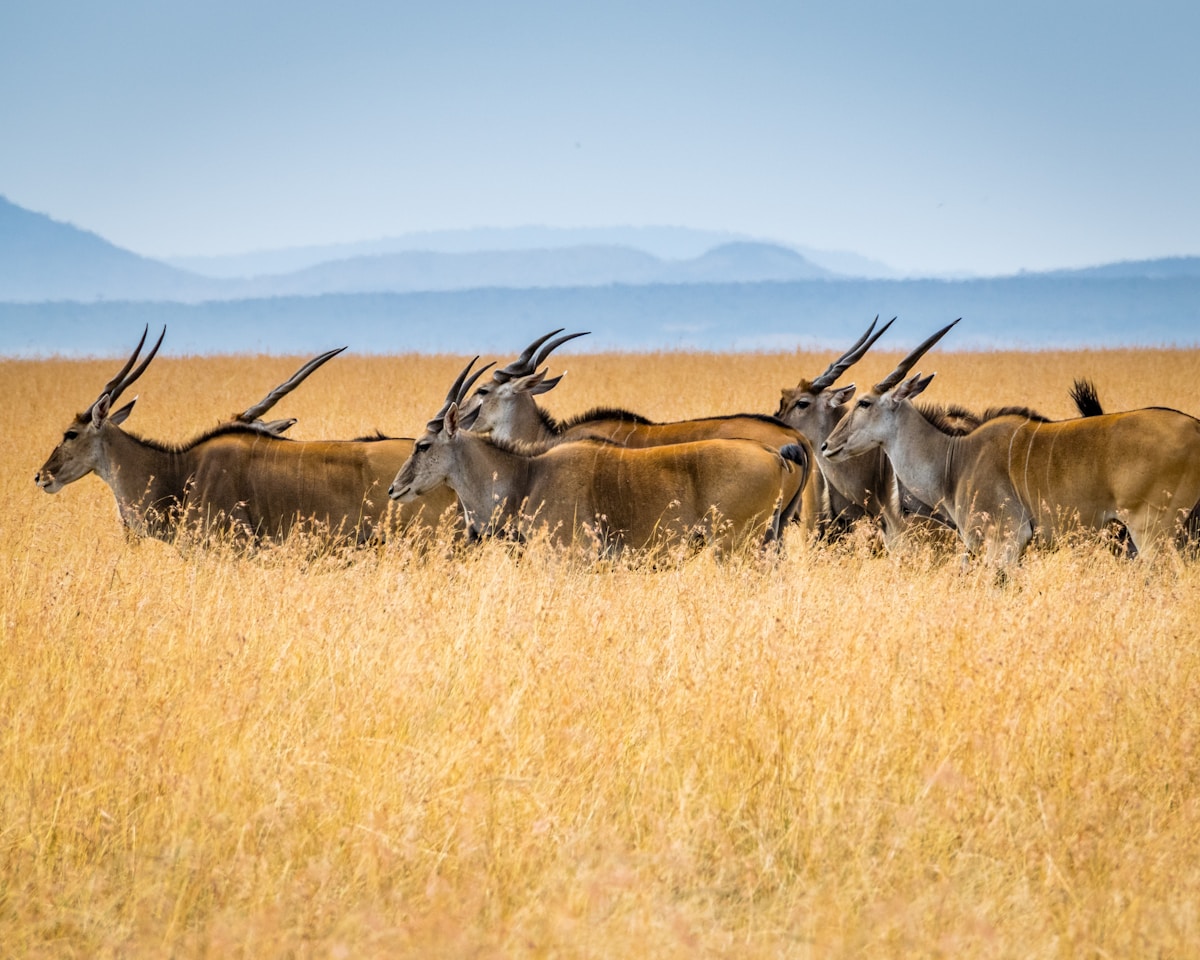
The rainforests of Sumatra are among the most biodiverse ecosystems on Earth. Photo: Unsplash
This discovery made headlines worldwide—a new great ape species in the 21st century was remarkable. But it also highlighted an uncomfortable reality: the Tapanuli orangutan was born endangered. With fewer than 800 individuals confined to a shrinking forest, the species faced immediate threats that now, with this flood, have become catastrophically worse.
A Perfect Storm of Threats
Even before the November 2025 flood, Tapanuli orangutans faced a gauntlet of dangers. The Batang Toru ecosystem has been progressively carved up by roads, mining operations, and agricultural expansion. Perhaps most controversially, a Chinese-funded hydroelectric dam project has been under construction in the heart of orangutan habitat.
The Batang Toru hydropower project, despite fierce opposition from conservationists and scientists worldwide, has proceeded with Indonesian government backing. The dam and its associated infrastructure fragment the forest, cutting off orangutan populations from each other and reducing genetic diversity. Construction noise and human activity displace animals from key habitat areas.
Mining operations for gold and other minerals have also encroached on the ecosystem. Illegal logging, though reduced from its peak, continues to nibble away at forest edges. Agricultural expansion—particularly for oil palm plantations—converts forest to monoculture at an alarming rate.
The flood did not occur in a pristine wilderness. It struck an ecosystem already wounded, a population already stressed, a species already on the edge. The orangutans lost in November 2025 were individuals from a population that could not afford to lose a single one.
Conservation Response and Emergency Measures
In the immediate aftermath of the disaster, conservation organizations mobilized emergency response teams. The Sumatran Orangutan Conservation Programme (SOCP), which operates rescue and rehabilitation facilities, sent teams to assess the damage and search for survivors. Local rangers from the Batang Toru ecosystem conducted patrols to locate injured animals and document losses.
The priority in the short term is triage: finding any surviving orangutans that may be injured, stranded, or in need of assistance. Veterinary teams are on standby to treat animals with injuries from debris, near-drowning, or trauma. Rehabilitation facilities are preparing for potential influxes of orphaned infants if mothers were killed.
Longer-term, conservationists are calling for urgent reassessment of all human activities in the Batang Toru ecosystem. The flood has demonstrated how vulnerable this population is to catastrophic events. Any further habitat fragmentation or degradation increases the risk that the next disaster—whether flood, fire, or disease outbreak—could push the species past the point of no return.
“We need an immediate moratorium on all development in Tapanuli orangutan habitat,” said Dr. Ian Singleton, director of the Sumatran Orangutan Conservation Programme. “Every tree matters now. Every corridor matters. We cannot afford to lose any more of this forest.”
What the Future Holds
The mathematics of orangutan reproduction make recovery painfully slow. Female orangutans typically give birth to a single infant every 6 to 8 years—the longest interbirth interval of any land mammal. Infants remain dependent on their mothers for up to 10 years, learning the complex skills needed to survive in the rainforest canopy.
A population of 800 orangutans, now reduced to perhaps 720 or fewer, cannot quickly bounce back. Even under optimal conditions with no further mortality, it would take decades to restore the lost numbers. But conditions are not optimal. Climate change continues to worsen. Development pressures persist. The window for saving this species grows narrower with each passing year.
Scientists are now discussing emergency measures that were previously considered too interventionist. These include potential translocation of individuals to create new populations in protected areas, intensive habitat restoration to reconnect fragmented forest patches, and even the possibility of captive breeding programs as genetic insurance against extinction.
None of these measures are ideal. Wild orangutans belong in wild forests. But when a species numbers in the hundreds and faces compounding threats, extraordinary measures may be the only path to survival.
How You Can Help
The plight of the Tapanuli orangutan may seem distant, but global action can make a difference. Here are concrete ways to contribute to their survival:
Support Conservation Organizations: Groups like the Sumatran Orangutan Conservation Programme (SOCP), Orangutan Foundation International, and the Rainforest Action Network work directly to protect orangutan habitat and respond to emergencies like the November flood. Financial contributions fund patrols, rehabilitation, and advocacy.
Make Sustainable Consumer Choices: Palm oil production is a major driver of deforestation in Indonesia. Choosing products with certified sustainable palm oil—or avoiding palm oil when possible—reduces demand for habitat destruction. Look for RSPO certification on food and cosmetic products.
Advocate for Climate Action: The flood that killed Tapanuli orangutans was intensified by climate change. Supporting policies that reduce greenhouse gas emissions helps protect vulnerable species worldwide. Contact elected representatives and vote for leaders who prioritize climate action.
Spread Awareness: Many people have never heard of Tapanuli orangutans. Sharing information about their plight raises public consciousness and builds support for conservation. The more people who know, the more pressure governments and corporations face to act responsibly.
Oppose Destructive Development: The Batang Toru dam project has faced international opposition. Adding your voice to campaigns against destructive infrastructure in critical habitat sends a message to investors and governments that the world is watching.
A Species on the Brink Needs Immediate Action
The November 2025 flood will be remembered as a turning point in Tapanuli orangutan conservation—but which direction that turn takes remains undecided. This disaster could be the beginning of the end for the world’s rarest great ape, a slow-motion extinction that future generations will mourn. Or it could be the shock that finally galvanizes sufficient action to save this species.
The Tapanuli orangutan has survived for millions of years, evolving its unique characteristics in the mountain forests of Sumatra. It has weathered ice ages and volcanic eruptions, adapting to countless environmental changes. But it has never faced anything like the combined assault of habitat destruction, climate change, and industrial development that threatens it today.
These orangutans cannot speak for themselves. They cannot lobby governments or file lawsuits or organize protests. Their fate rests entirely in human hands—the same hands that have brought them to the brink of extinction. The question now is whether those hands will reach out to save them, or let them slip away forever.
Time is running out. For the Tapanuli orangutan, the clock may have just accelerated.




Leave a Reply