Today, I will share it all with you.
Look, I’m not here to sell you a fantasy. Safari brochures paint this picture of lions posing majestically at golden hour while elephants parade past your sundowner cocktail. And yeah, those moments happen. But there’s so much more going on, and understanding the animals you’re watching makes the whole experience hit differently. Whether you’re planning your first trip or your tenth, this stuff matters.
The Big Five and Why They Still Matter
So the “Big Five” — lion, elephant, Cape buffalo, leopard, and rhino — actually started as a hunting term. Colonial-era hunters ranked these five as the most dangerous animals to hunt on foot. Pretty grim origin story, right? But the conservation world has reclaimed the phrase, and now it’s basically the safari checklist everyone obsesses over. Let me break down each one, because they’re all wildly different animals with their own quirks.
African Lions — The Lazy Apex Predators
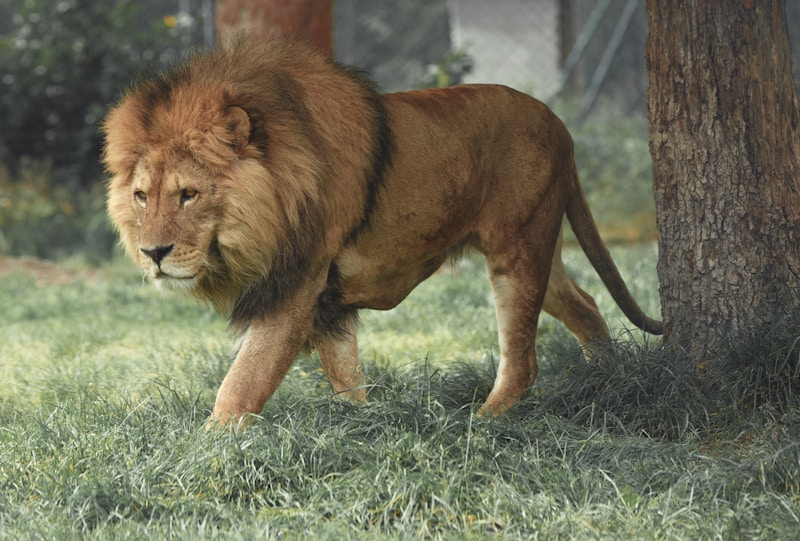
Here’s the thing about lions that nobody tells you before your first safari: they’re shockingly lazy. I mean, we’re talking about 20 hours a day of just… lying there. Your best shot at seeing anything exciting — hunting, socializing, territorial disputes — is during early morning or late afternoon game drives. Midday? They’re basically fancy house cats sprawled under a bush.
A typical pride is made up of related females, their cubs, and one to four adult males. The females do the heavy lifting when it comes to hunting, which honestly feels like a metaphor for something, but I’ll leave that alone. Morning drives often catch lions coming back from night hunts, sometimes still with a fresh kill. That right there? That’s a moment you don’t forget.
The numbers are sobering, though. Lion populations have nosedived from roughly 200,000 a century ago to fewer than 25,000 today. Places like the Serengeti-Mara ecosystem, Kruger National Park, and the Okavango Delta are holding the line, but it’s a fight. Every lion sighting on safari carries a little more weight when you know the context.
African Elephants — They Remember Everything (Seriously)
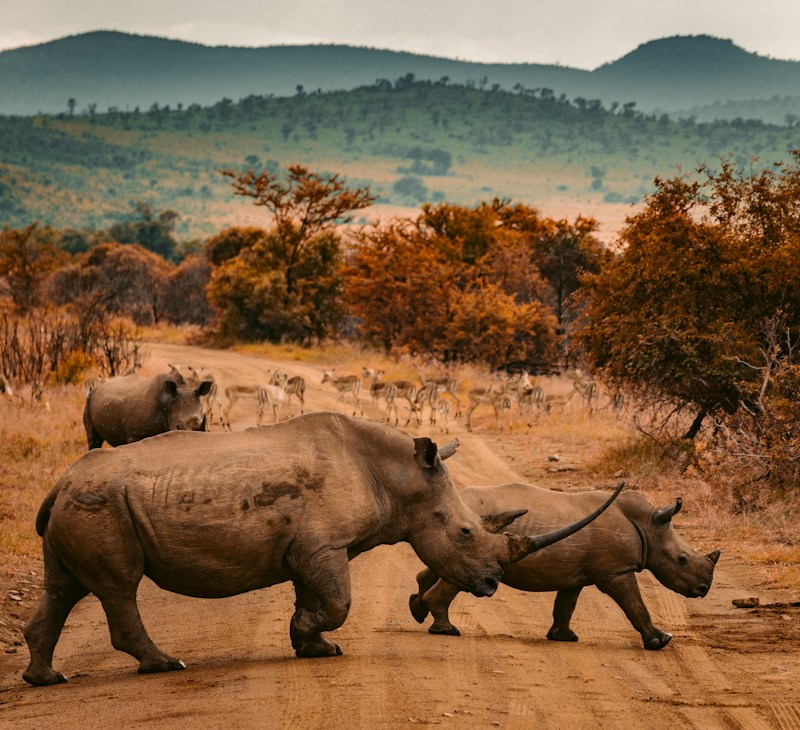
I’ve seen a lot of wildlife in my career, and elephants still get me every single time. There’s something about watching a herd cross right in front of your vehicle — the ground vibrating, that low rumble they make communicating with each other — that just stops you cold. These animals are smart. Like, genuinely, deeply intelligent.
Elephant herds are matriarchal. The oldest female runs the show, and she carries decades of knowledge about where to find water, which routes are safe, how to avoid predators. When you watch a herd moving across the landscape, you’re literally watching a grandmother leading her daughters, granddaughters, and great-granddaughters through country she’s known for fifty-plus years.
For the best elephant viewing, hit up water sources during dry season. Herds congregate around rivers and waterholes, and you’ll get to watch them drink, bathe, play, and just be elephants. Baby elephants figuring out their trunks is genuinely hilarious. They flop them around like a garden hose they can’t control. I once watched a calf try to drink and basically waterboard itself for five minutes straight.
Poaching for ivory remains a devastating threat, but well-protected reserves in Botswana, Kenya, Tanzania, and South Africa maintain healthy populations. The conservation work happening in these places is nothing short of heroic.
Cape Buffalo — Don’t Let the Cow Look Fool You
Cape buffalo get overlooked constantly. People see what looks like a big cow and start scanning for lions instead. Massive mistake. These animals kill more hunters than any other African species. They’re unpredictable, they hold grudges (seriously — wounded buffalo have been documented circling back to ambush hunters), and they weigh over 2,000 pounds with horns that can flip a vehicle.
During dry season, buffalo herds can number in the thousands. Watching that many animals move across open savanna, kicking up dust clouds you can see for miles, is one of those “nature is absolutely metal” moments. It’s genuinely awe-inspiring.
The old solitary males, called “dagga boys” because of the dried mud caked on their hides, are the ones you really watch out for. They’ve been kicked out of the herd, they’re grumpy, and they have nothing to lose. Your guide will give these guys a wide berth, and you should be grateful for it.
Leopards — Good Luck Finding One
I’ll be straight with you: leopards are hard. They’re solitary, mostly nocturnal, and their camouflage is so good that you can stare directly at one in a tree and not see it. I’ve had guides point at a branch fifteen feet away and I still couldn’t spot the cat for a solid thirty seconds. Many safari veterans consider a quality leopard sighting the crown jewel of any trip, and I don’t disagree.
If a leopard sighting is high on your list, your best bets are the Sabi Sands Private Game Reserve in South Africa, Kenya’s Masai Mara, or the South Luangwa Valley in Zambia. These areas have leopard populations that are somewhat habituated to vehicles, which means they’ll actually sit still long enough for you to get a photo instead of vanishing like a ghost.
Dawn drives give you the best odds — leopards returning from nighttime hunts or feeding on kills they’ve hoisted into trees. And yeah, they hoist kills into trees. We’re talking prey that weighs more than they do, dragged straight up a trunk and wedged into a fork of branches. It’s an absurd display of strength. Lions and hyenas can’t follow them up there, so the food stays safe.
Rhinoceros — A Conservation Rollercoaster
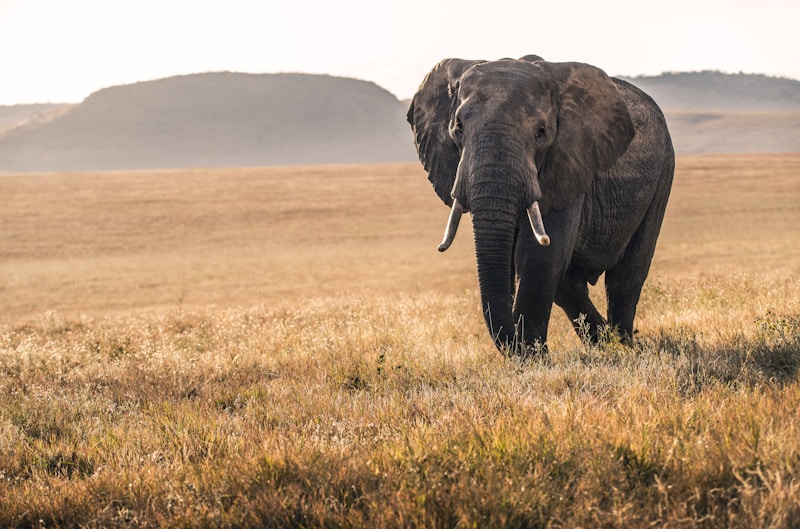
Both black and white rhino species face relentless poaching pressure — their horns fetch astronomical prices in Asian traditional medicine markets, despite being made of keratin (the same stuff as your fingernails).
Quick taxonomy lesson that trips everyone up: white rhinos aren’t white. They’re gray, same as black rhinos. The “white” comes from a mangled translation of the Dutch word “wijd,” meaning wide — describing their broad, square lips built for grazing. Black rhinos have narrow, pointed lips for browsing shrubs. Nothing to do with color. Names are just terrible sometimes.
For rhino viewing, South Africa’s Hluhluwe-iMfolozi reserve is your best bet. They’ve invested heavily in anti-poaching operations and maintained solid populations. Some reserves have actually dehorned their rhinos to remove the poaching incentive entirely. The rhinos look a little odd without their horns, but they’re alive. I’ll take that trade every time.
Beyond the Big Five — The Animals That Steal the Show
Here’s my hot take: if you spend your entire safari laser-focused on the Big Five, you’re going to miss some of the best stuff out there. The following animals frequently upstage the headliners, and a few of them are personal favorites of mine.
Giraffes — Impossibly Tall and Weirdly Graceful
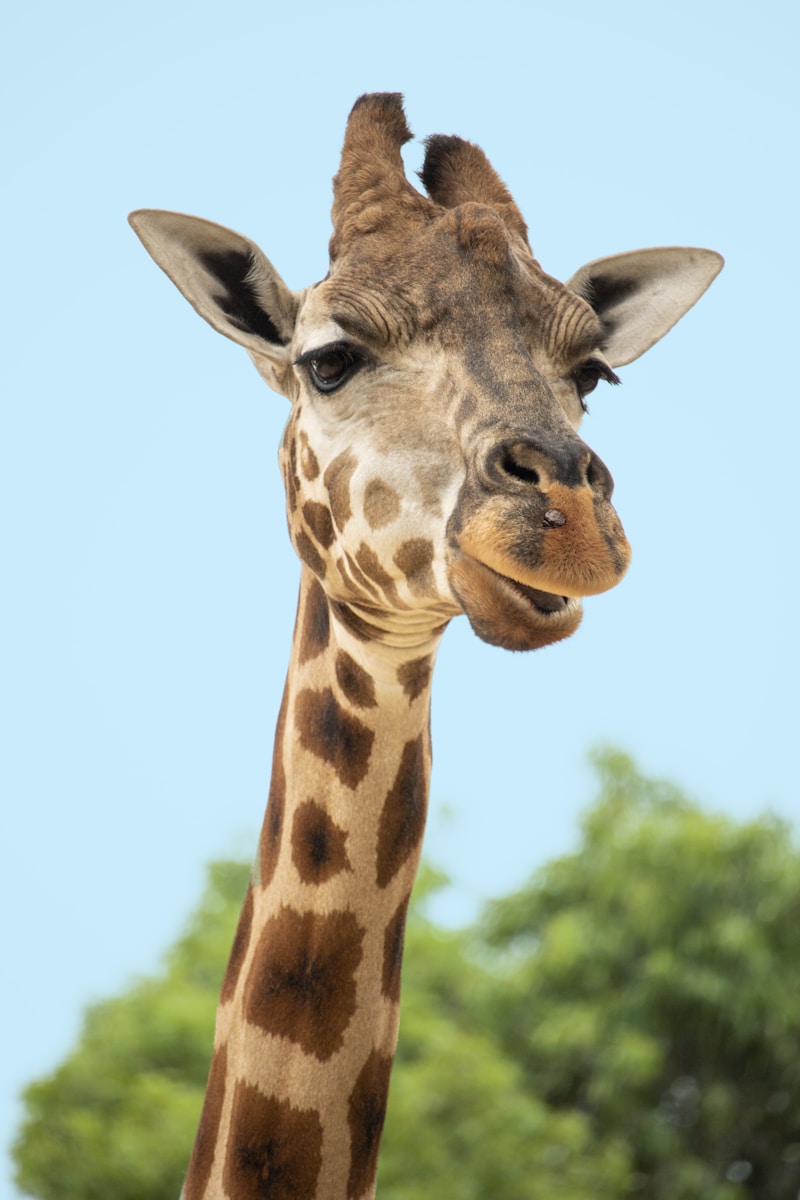
There’s no animal that makes you question evolution’s sense of humor quite like a giraffe. They just shouldn’t work. That neck, those legs, the way they run like they’re about to fall apart at any moment. And yet they’re incredibly graceful once you watch them for a while.
Giraffes spend most of their time browsing acacia trees, using 18-inch tongues to work around nasty thorns. Those tongues are dark purple, by the way — probably a sunburn adaptation from spending all day with their tongues out. Fun fact that’ll impress nobody at dinner parties.
Male giraffes fight by “necking” — literally swinging their heads at each other like medieval flails. It ranges from gentle sparring to outright violent brawls. I watched two males go at it for twenty minutes once, and the sounds of those impacts were genuinely startling. Giraffe calves can stand within hours of birth, which is lucky because lions and hyenas start eyeing them immediately. Adult giraffes can kick hard enough to kill a lion, though, so predators pick their targets carefully.
Zebras — Still Arguing About the Stripes
Scientists have been debating why zebras have stripes for… well, basically forever. Thermoregulation? Predator confusion? Fly deterrent? The latest research leans toward the fly theory — the stripes apparently mess with biting flies’ landing patterns, which helps protect against diseases like sleeping sickness. Honestly, after all these years of debate, I find it hilarious that the answer might just be “bug spray.”
Plains zebras are everywhere in East Africa and often mix with wildebeest in those massive Great Migration herds. Over a million wildebeest and hundreds of thousands of zebras pouring across the Serengeti-Mara ecosystem is… I mean, there aren’t really words for it. It’s one of those things you just have to witness.
Mountain zebras and Grevy’s zebras are different stories — they occupy different habitats and face bigger conservation challenges. Grevy’s zebras, with their narrower stripes and bigger ears, number fewer than 3,000 in the wild. Every sighting counts.
Hippos — Way More Dangerous Than They Look
Hippos kill more people in Africa than any other large mammal. Let that sink in. Not lions. Not elephants. Hippos. These rotund, yawning, seemingly goofy animals are genuinely terrifying when agitated. They’re fast on land (faster than you, I promise), territorial in water, and those massive teeth aren’t for eating — they’re for fighting.
During the day, hippos hang out submerged in rivers and lakes. At night, they haul themselves out to graze, consuming over 80 pounds of grass and walking up to six miles from water. They follow the same paths every night, wearing deep trails into the earth over years.
The best hippo viewing usually happens from lodges overlooking rivers or waterholes. Watching them yawn — jaws opening to nearly 180 degrees, revealing those ridiculous teeth — is one of those safari moments that makes you nervous and delighted at the same time. Male hippos use those teeth in territorial battles that can absolutely be fatal.
Cheetahs — Built for Speed, Cursed by It
Seventy miles per hour. That’s what a cheetah can hit in a short burst, making them the fastest land animals on the planet. But here’s the catch: speed costs them everything else. Their jaws are weak, their builds are slight, and bigger predators routinely steal their kills. I’ve watched a cheetah take down an impala after a beautiful sprint, only to have a single hyena walk up and claim the whole thing. Life’s not fair out here.
Open grasslands are where cheetahs thrive — they need the space to use their speed. The Masai Mara and the Serengeti are your best bets for sightings. A cheetah mother teaching her cubs to hunt is one of the most compelling things you can watch on safari. Patient, methodical, and endlessly fascinating.
There are only about 7,000 cheetahs left across all of Africa. That number makes me genuinely uneasy. Male cheetahs sometimes form coalitions, usually with their brothers, which improves their hunting success and helps them defend territory. It’s cooperative survival at its finest.
Wild Dogs — The Most Efficient Hunters You’ve Never Heard Of
African wild dogs, sometimes called painted wolves (which is a much better name, honestly), hunt with a level of cooperation that puts every other predator to shame. Their hunting success rate? Over 80 percent. Lions manage maybe 25 percent. Pack members take care of injured companions and bring food back for pups and the babysitters who stayed behind at the den. The social structure is remarkable.
Fewer than 6,000 wild dogs remain in fragmented populations, so if you see them, you’re watching something genuinely rare. Your best chances are Botswana’s Moremi Game Reserve, Zimbabwe’s Mana Pools, or Kruger National Park in South Africa.
Wild dogs need huge territories to survive, which makes habitat fragmentation devastating for them. Add in roadkills, disease from domestic dogs, and conflict with farmers, and you start to understand why their numbers keep dropping. Seeing a wild dog pack on safari is a privilege, full stop.
Best Viewing Times and Seasonal Patterns
Understanding when animals are active might be the single most useful thing I can tell you. It changes everything about how you plan your days on safari.
Early Morning Drives — This Is Where the Magic Happens
Get up early. I know, I know — you’re on vacation. But dawn is when the predators are active. Lions, leopards, and cheetahs hunt at night and through early morning hours, so first-light game drives give you the best shot at witnessing actual hunting behavior, fresh kills, or predators heading back to their resting spots.
Bonus: morning light is gorgeous. That warm golden glow that photographers go nuts over? That’s a 6 AM thing. Animals at water sources haven’t been spooked by tourist traffic yet. Trust me, drag yourself out of bed. You won’t regret it.
The Midday Dead Zone
From about 10 AM to 3 PM, most animals are doing exactly what you’d want to do in equatorial heat: absolutely nothing. Head back to your lodge, have lunch, take a nap, process the morning’s experiences. Don’t feel guilty about it.
That said, elephants often keep feeding through midday, and hippos are always watchable in their waterways. Birding stays productive through the middle of the day too, if that’s your thing. But for the big predator action? Come back later.
Late Afternoon and the Golden Hour
As temperatures drop, everything comes alive again. Animals head to water sources, predators start stirring, and the light turns into that ridiculous amber-gold that makes every photo look like a National Geographic cover. Many lodges time their sundowner drinks — yeah, that’s a real thing, cocktails at sunset in the bush — to coincide with peak viewing conditions. It’s as good as it sounds.
Night Drives — A Completely Different World
If your reserve allows night drives, do them. Full stop. The Africa that emerges after dark is an entirely different ecosystem. Leopards on the move, hyenas calling, aardvarks and other nocturnal weirdos shuffling around. Lions actively hunting by spotlight is genuinely heart-pounding stuff.
Fair warning: not all reserves allow night driving. National parks tend to be stricter than private reserves, so check regulations when you’re booking. It’s worth building your itinerary around access to night drives if you can.
Seasonal Considerations for Planning Your Safari
Dry Season — Peak Wildlife, Peak Crowds
Dry season runs roughly June through October in most East African destinations. Water becomes scarce, so animals congregate around whatever’s left. Vegetation thins out, making everything easier to spot. Predator-prey interactions around waterholes get intense. It’s incredible viewing.
The Great Migration hits the Masai Mara during Kenya’s dry season, and those river crossings — hundreds of thousands of wildebeest plunging into crocodile-infested waters — are among nature’s most dramatic events. But dry season also means higher prices and more vehicles at popular sightings. Trade-offs, always trade-offs.
Green Season — The Underrated Option
Wet season, optimistically rebranded as “green season” by tourism boards (love the spin), actually offers a lot. Lower prices. Fewer tourists. Surprisingly solid wildlife viewing. Baby animals everywhere, which means predators actively hunting young prey. Lush green backdrops for photography instead of brown dust.
Migratory bird species flood in during wet months, so serious birders often prefer this season. If you’re flexible on timing and don’t mind occasional rain, green season is genuinely underrated. I’d argue it’s the savvy traveler’s move.
Practical Tips That Actually Help
Vehicle Positioning Matters More Than You Think
Good guides are worth their weight in gold here. They know to approach from downwind so animals can’t smell you. They come in at angles instead of driving straight at wildlife, which reduces stress on the animals. When a dozen vehicles pile up at a popular lion sighting, patience and basic courtesy go a long way. Don’t be the vehicle that charges in and spooks everything.
Shut Up and Sit Still (Lovingly)
I say this with genuine affection: the quieter you are, the better your sightings will be. Animals are habituated to vehicles, not the people inside them. Keep your voice low. Don’t make sudden movements. Put your phone on silent. The best moments on safari come after you’ve been sitting quietly for a while and the animals just… forget you’re there. They resume natural behaviors. That’s when you see the real stuff.
Have Your Gear Ready. Always.
Keep your binoculars around your neck and your camera powered on with the lens cap off during game drives. Period. I cannot tell you how many incredible sightings I’ve watched people miss because they were digging through bags. A leopard crossing the road lasts maybe eight seconds. Your camera should be ready in two.
Dust is your camera’s worst enemy during dry season, so clean your sensor between drives. A single dust spot can ruin hundreds of photos before you notice it. Bring lens cloths. Bring more than you think you need.
Conservation and Why Your Safari Trip Matters
This isn’t just a feel-good section I’m tacking on. Safari tourism generates critical revenue for conservation across Africa. Your park entry fees, your lodge bills, your guide tips — that money funds anti-poaching patrols, protects habitat, and builds schools and clinics in surrounding communities. You being there literally helps keep these animals alive.
Choose operators who are genuinely committed to conservation and community engagement. The good ones employ local staff, source food from nearby farms, and invest in the areas around them. The difference between a responsible operator and a fly-by-night outfit isn’t always obvious, but it matters enormously.
Every animal you see on safari exists because someone fought to protect it. Your visit is part of that chain. Take that seriously and it’ll make every sighting mean a little more.
Reading Animal Behavior — The Next Level
Once you get past the “oh cool, a lion!” phase (and that phase is great, don’t get me wrong), learning to read animal behavior opens up a whole new dimension. Tail positions, ear angles, subtle vocalizations — they’re all telling you something if you know what to look for.
An elephant with ears spread wide and trunk raised? That’s a threat display. Give it space. A lion’s tail twitching at the tip? It’s focused on something — potential prey, probably. Zebras facing different directions while grazing aren’t being random; they’re covering multiple angles against predator approach. Once you start noticing these things, you can’t stop.
Experienced guides can often predict what’s about to happen. A cheetah scanning the horizon is likely about to hunt. Vultures circling overhead mean there’s a kill or a dying animal below. Learning to read these signals transforms you from a passive spectator into an active participant in the drama unfolding around you. That’s when safari gets addictive.
Putting It All Together — Planning Your Trip
Africa offers an enormous range of safari experiences across dozens of countries and hundreds of reserves. Where you go depends on your budget, how much time you have, which animals you most want to see, and how comfortable you need your bed to be (no judgment — I’ve done both ends of that spectrum).
East Africa gives you the classic savanna experience, with the Great Migration as the headliner. Southern Africa offers incredible wildlife density with some seriously luxurious lodge options. Central and West Africa are tougher logistically but reward you with unique species like forest elephants and mountain gorillas.
Whatever you pick, go in with realistic expectations, a healthy supply of patience, and genuine respect for the animals. They’re living their lives out there whether you show up or not. The privilege of watching them do it — really watching, not just snapping photos — is something no zoo visit or documentary can replicate. Not even close.
Related Articles
Continue exploring African wildlife with these in-depth guides:
Dr. Sarah Chen is a wildlife researcher with over 20 years of field experience across African savannas. Her work focuses on large mammal behavior and human-wildlife coexistence.



Leave a Reply