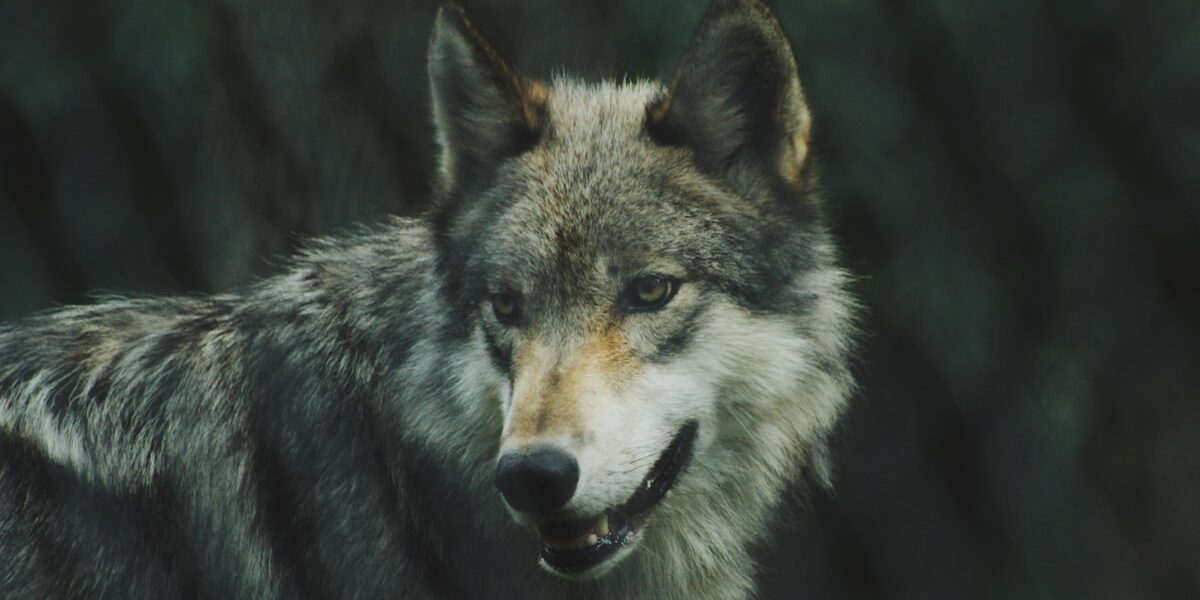
Learning to identify animal tracks opens a window into the hidden world of wildlife. Every footprint tells a story about the animal that left it, where it was going, and what it was doing. Whether you’re a wildlife researcher, hunter, nature photographer, or curious hiker, understanding track identification transforms ordinary walks into detective adventures.
This comprehensive guide covers the most common North American wildlife tracks, teaching you how to distinguish between similar species and read the signs that animals leave behind. From the subtle differences between dog and coyote prints to the distinctive patterns of bear paws, you’ll develop the skills to identify tracks with confidence.
Understanding Track Anatomy and Terminology

Before diving into specific species, it helps to understand the basic components of animal tracks. Most mammal tracks show distinct features that aid in identification.
The pad refers to the main cushioned portion of the foot that contacts the ground. In canines and felines, this is the large central heel pad. Toes appear as smaller oval or circular impressions around the pad. Claw marks may or may not be visible depending on the species and substrate. Interdigital pad is the technical term for the main heel pad in digitigrade animals (those walking on their toes).
Track measurements include length (from the back of the heel pad to the front of the longest toe) and width (the widest point across the track). The stride measures the distance between successive prints of the same foot, while straddle is the width of the trail measured from the outside edges of the tracks.
Canine Tracks and How to Tell Them Apart
The dog family presents one of the most common identification challenges. Dogs, coyotes, wolves, and foxes all leave four-toed tracks with visible claw marks, but careful observation reveals distinct differences.
Domestic Dog Tracks
Dog tracks vary enormously based on breed, but they share characteristics that distinguish them from wild canines. Dog tracks often appear splayed, with toes spreading outward rather than pointing forward. The overall shape tends to be rounder and less symmetrical than wild canine tracks.
Dog trails typically show a meandering pattern rather than the direct, purposeful line of wild canines. Dogs investigate, circle back, and wander off trail. Their tracks often appear near human footprints, paths, and roads.
Coyote Tracks
Coyote tracks measure approximately 2.5 inches long and 2 inches wide for adults. The overall shape is oval and compact, with toes pointing straight ahead or slightly inward. The two middle toes often appear closer together than the outer toes, sometimes even touching.
A reliable identification technique is drawing an imaginary X between the toes and heel pad. In coyote tracks, this X typically does not cross through the pad, leaving a clear space. Claw marks are usually visible but thin and pointed. Coyote trails follow direct routes, often along game trails, fence lines, and ridge tops.

Wolf Tracks
Gray wolf tracks are substantially larger than coyote tracks, measuring 4 to 5 inches long and 3.5 to 4.5 inches wide. The size difference becomes obvious when you place your hand over the track. A wolf track will extend beyond your palm, while a coyote track fits within it.
Wolf tracks show the same oval, compact shape as coyote tracks, with the X test producing similar results. The heel pad is proportionally larger and often shows a more defined three-lobed shape at the rear. Wolves travel in packs, so finding multiple large canine tracks together suggests wolves rather than a single large dog.
Fox Tracks
Red fox tracks are delicate compared to other canines, measuring about 2 inches long and 1.5 inches wide. The track appears almost diamond-shaped due to the small heel pad and pointed toe arrangement. A distinctive feature is the chevron-shaped ridge across the heel pad, visible in clear prints.
Gray fox tracks are similar in size but slightly rounder. Fox tracks show fine, sharp claw marks and often appear in a nearly straight line, with the rear foot landing almost exactly in the front foot’s print (direct register).
Feline Tracks From House Cats to Mountain Lions
Cat family tracks share a distinctive feature that immediately separates them from canines. Cats have retractable claws, so their tracks rarely show claw marks. The overall shape is rounder than canine tracks, and the heel pad has a distinctive shape.
Domestic Cat Tracks
House cat tracks measure about 1 to 1.5 inches in both length and width, creating an almost circular impression. The heel pad shows two lobes at the front and three at the rear, forming an M-shape. Toes appear as small, round impressions without claw marks.
Cat trails often show a stalking pattern with careful, deliberate steps. Cats frequently pause, crouch, and change direction abruptly. Finding cat tracks far from human habitation suggests a feral cat or possibly a bobcat.
Bobcat Tracks
Bobcat tracks measure 1.5 to 2.5 inches in diameter, noticeably larger than house cats but with the same round, compact shape. The heel pad is proportionally larger than a house cat’s and shows the same M-shaped lobes at the rear.
Bobcat tracks occasionally show claw marks, particularly in slippery conditions or when the animal is running. These cats prefer rocky, brushy terrain and often leave tracks along game trails and near water sources. Their stride is longer than a house cat’s, typically 12 to 16 inches.
Mountain Lion Tracks
Mountain lion (cougar) tracks are unmistakable due to their size, measuring 3 to 4.5 inches in both length and width. An adult mountain lion’s track is roughly the size of an adult human’s palm. The three-lobed rear edge of the heel pad is clearly visible in good substrate.
Despite their size, mountain lions are secretive and their tracks often appear as the only evidence of their presence. Look for tracks near deer trails, in canyons, and along ridgelines. A long tail drag mark occasionally appears in snow, as mountain lions have tails nearly three feet long.
Bear Tracks and Species Differences
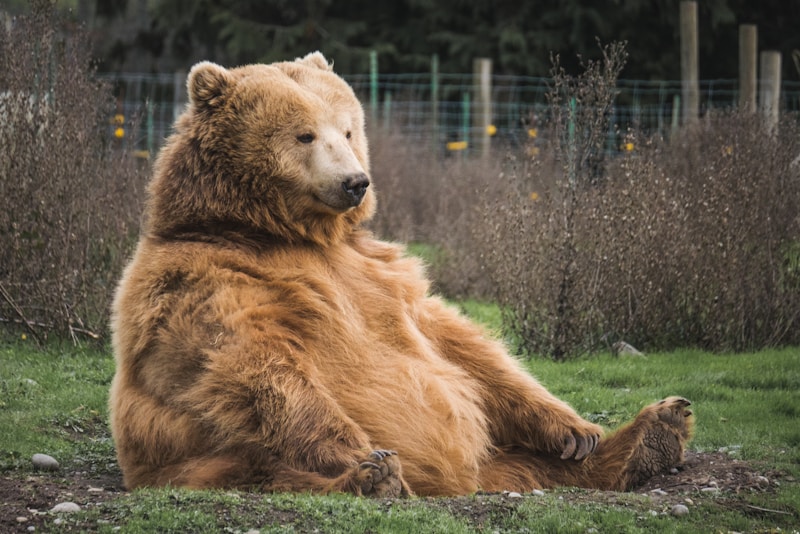
Bear tracks are among the most exciting to find and the easiest to identify at the family level. All bears leave five-toed tracks with visible claw marks and distinctive pad shapes.
Black Bear Tracks
Black bear front tracks measure 4 to 5 inches long and wide, showing five toes in an arc above a trapezoidal heel pad. The toes are close together, and claw marks appear relatively close to the toe pads, usually within 1 to 1.5 inches.
Rear tracks are larger, 6 to 7 inches long, and remarkably human-like in shape. The heel pad is elongated, and all five toes are visible. Despite the name, black bears can be brown, cinnamon, or blonde in color, so track size is more reliable than reported bear color.
Grizzly Bear Tracks
Grizzly (brown bear) tracks are substantially larger than black bear tracks. Front tracks measure 5 to 6 inches wide, with claw marks extending 2 to 4 inches beyond the toes. This claw length is the most reliable distinguishing feature between the species.
Draw a straight line from the outer edge of the smallest toe to the outer edge of the largest toe. In grizzly tracks, this line typically passes through or above the top of the heel pad. In black bear tracks, the line passes below the heel pad. Grizzly rear tracks can exceed 12 inches in length, leaving prints larger than a size 12 human shoe.
Deer and Elk Track Identification
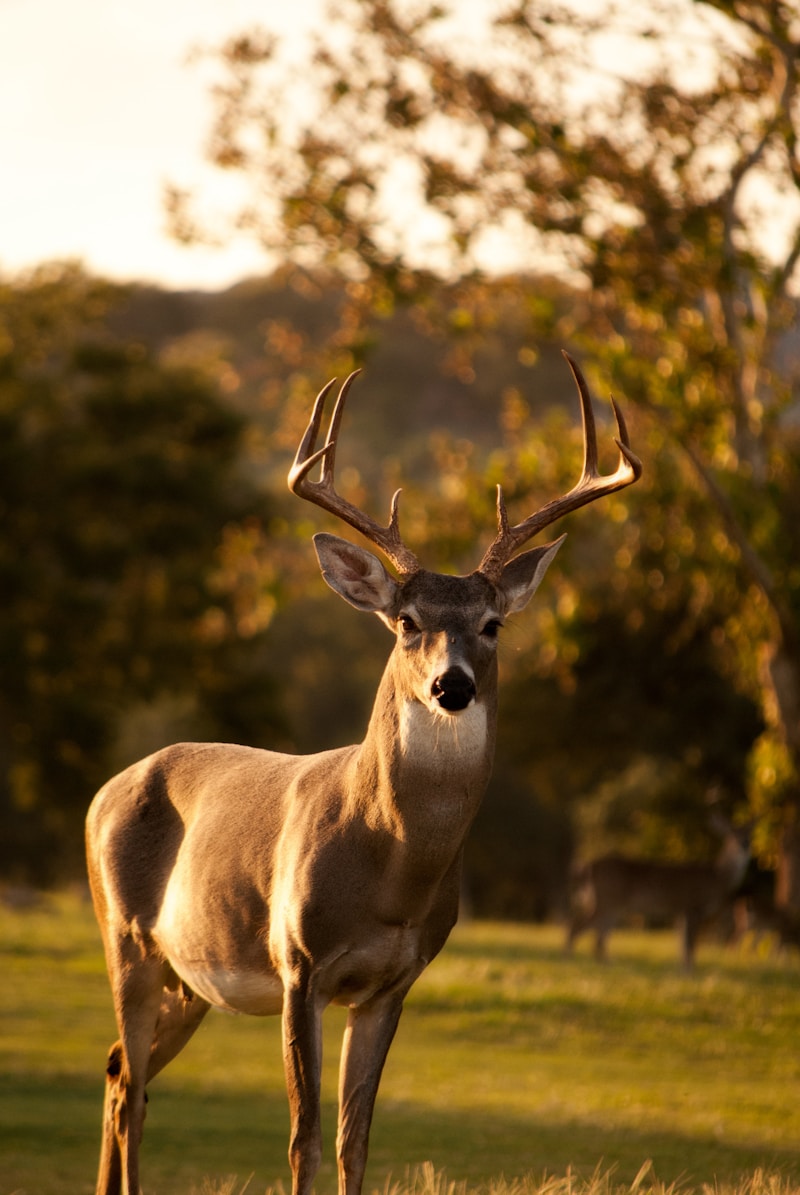
Ungulates (hoofed animals) leave distinctive two-part tracks that differ significantly from the paw prints of predators. Deer and elk tracks show two elongated, curved toes that come to points at the front.
White-tailed and Mule Deer Tracks
Deer tracks measure 2 to 3.5 inches long and about 2 inches wide. The two halves of the hoof usually appear close together or touching, creating a heart-shaped impression. In soft substrate or when running, dewclaws may register as two small dots behind and slightly below the main track.
White-tailed and mule deer tracks are nearly identical in size and shape. Geographic location is the best distinguishing factor, though mule deer tracks tend to be slightly blockier with less pointed tips. Deer trails often connect bedding areas to feeding areas and water sources.
Elk Tracks
Elk tracks are simply larger versions of deer tracks, measuring 3.5 to 4.5 inches long. The hoof halves are rounder at the tips compared to deer, and the overall impression appears more robust. Bull elk tracks are larger than cow elk tracks.
Elk sign often includes wallows (muddy depressions where bulls roll during rut), rubs on trees, and heavily used trails. Their tracks frequently appear in meadow edges, aspen groves, and along stream corridors.
Raccoon and Opossum Tracks
These two omnivores are common throughout North America and leave distinctive tracks that are easy to identify with practice.
Raccoon Tracks
Raccoon tracks are remarkably hand-like, with five long, dexterous toes on both front and rear feet. Front tracks measure about 2 to 3 inches long and resemble tiny human hands, complete with a palm pad and clearly separated fingers. Rear tracks are longer (3 to 4 inches) and show an elongated heel.
Raccoons walk flat-footed (plantigrade), so the entire foot registers in the track. Their trails often lead to and from water sources, where they hunt for crayfish, frogs, and other aquatic prey. Tracks near garbage cans, pet food dishes, and bird feeders indicate resident raccoons.
Opossum Tracks
Opossum tracks also show five toes, but the rear track is distinctly different from any other North American mammal. The opposable thumb on the rear foot sticks out at nearly a 90-degree angle, creating an unmistakable impression.
Front tracks measure about 2 inches and show five spreading toes with visible claw marks. Rear tracks are slightly larger with the prominent thumb making identification certain. Opossum trails often show a tail drag mark, as their long, hairless tails frequently touch the ground.
Small Mammal Tracks
Rabbits, squirrels, and other small mammals leave distinct track patterns that are easier to identify by their arrangement than by individual print details.
Rabbit and Hare Tracks
Rabbit tracks show a distinctive Y-shaped or triangular pattern. The two large rear feet land ahead of and parallel to each other, while the two smaller front feet land in a line between and behind them. This pattern reflects the rabbit’s hopping gait.
Cottontail rabbit tracks show rear feet about 3 to 4 inches long and front feet about 1 inch. Jackrabbit (hare) rear feet can exceed 5 inches. The fur on rabbit feet often blurs individual toe impressions, leaving oval outlines rather than distinct digits.
Squirrel Tracks
Squirrel tracks show a bounding pattern similar to rabbits, but with the larger rear feet landing beside or slightly behind the front feet, creating a different grouping. Front tracks show four toes, while rear tracks show five.
Gray squirrel tracks measure about 2.5 inches for the rear feet. Red squirrel tracks are smaller. Squirrel trails typically run from tree to tree, often with pauses at the base of each trunk. Finding squirrel tracks far from trees suggests a ground squirrel or chipmunk.
Reading Track Patterns and Gaits
Individual tracks tell part of the story, but track patterns reveal animal behavior and often provide the best identification clues.
Walking Gaits
Most mammals use one of several walking patterns. In a direct register walk, the rear foot lands exactly in the front foot’s track, leaving what appears to be a single line of prints. Cats and foxes commonly use this efficient pattern.
An indirect register walk shows the rear foot landing slightly offset from the front track, creating a double line of prints. Dogs, bears, and raccoons typically walk this way.
Trotting Patterns
When animals speed up to a trot, tracks become more widely spaced and may show a diagonal pattern. Canines often travel at a trot, leaving evenly spaced tracks with rear feet landing ahead of front feet on the same side.
Bounding and Galloping
High-speed gaits create grouped track patterns. Rabbits, squirrels, and weasels typically bound, leaving clusters of tracks with long gaps between groups. The arrangement of tracks within each cluster helps identify the species and direction of travel.
How Substrate Affects Track Appearance
The same animal leaves different-looking tracks depending on the surface. Understanding these variations prevents misidentification.
Mud Tracks
Wet mud provides excellent track detail, showing toe pads, claw marks, and heel pad features clearly. However, mud tracks often appear larger than the actual foot as the substrate squishes outward. Tracks in drying mud may crack and distort. The best mud tracks form in clay-rich soil with moderate moisture.
Snow Tracks
Snow track quality depends on temperature, snow age, and depth. Fresh powder shows detailed impressions, while old, crusty snow may only show rough outlines. Deep snow forces animals to bound or wade, obscuring normal track patterns. Snow melt and sun exposure quickly enlarge and distort tracks, sometimes doubling their apparent size within hours.
Sand Tracks
Dry sand collapses into tracks, making measurements unreliable and details obscure. Damp sand near water holds prints well but often shows only general outlines without fine detail. Beach sand varies widely in tracking quality based on grain size and moisture content.
Dust and Dry Soil
Fine dust can record surprisingly detailed tracks, but wind erases them quickly. Hard-packed trails may only show partial prints where pressure was greatest. After rain, formerly hard surfaces become excellent tracking substrates for several days.
Building Your Track Identification Skills
Becoming proficient at track identification requires practice and systematic observation. Start by learning the common species in your area rather than trying to memorize every possible track. Carry a small ruler to measure tracks, and photograph prints with a scale reference.
Field guides specific to your region provide the most relevant information. Many excellent smartphone apps now offer track identification features with photo databases and measurement tools. However, nothing replaces time spent in the field, comparing fresh tracks to known references.
Consider joining a local naturalist group or taking a tracking course. Experienced trackers can share decades of field knowledge and point out subtle details that books cannot convey. Wildlife refuges and nature centers often offer tracking programs, especially after fresh snowfall.
Every track you encounter adds to your mental database. Over time, identification becomes intuitive, and you’ll find yourself reading animal stories written across the landscape in footprints, trails, and signs that most people walk past without noticing.




Leave a Reply