Bears are among the most iconic and recognizable mammals on Earth, inspiring both awe and fear across human cultures for millennia. These powerful carnivores belong to the family Ursidae and have adapted to environments ranging from Arctic ice sheets to tropical rainforests. Despite their fearsome reputation, bears face numerous threats from habitat loss, climate change, and human conflict. Understanding the eight distinct bear species that inhabit our planet is essential for their conservation and for promoting safe coexistence between humans and these magnificent creatures.
Brown Bears – The Most Widespread Species
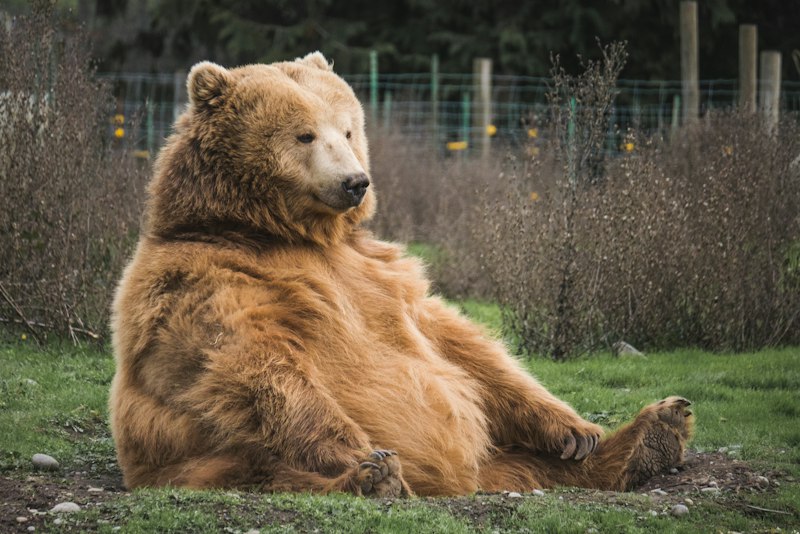
Brown bears (Ursus arctos) represent the most widely distributed bear species, inhabiting regions across North America, Europe, and Asia. This species displays remarkable variation in size and appearance depending on geographic location and food availability. The iconic grizzly bear of North America’s interior typically weighs between 400 and 790 pounds, while the massive Kodiak bear of Alaska’s Kodiak Archipelago can exceed 1,500 pounds, making it one of the largest terrestrial carnivores on Earth.
These bears possess a distinctive shoulder hump composed of muscle mass that powers their digging ability. Brown bears are omnivorous, with diets varying seasonally from berries and roots to salmon during spawning runs. In preparation for winter hibernation, brown bears can consume up to 90 pounds of food daily during autumn hyperphagia, gaining essential fat reserves that sustain them through months of dormancy.
Brown bear populations have declined significantly from their historical range, particularly in Europe and the lower 48 United States. Conservation efforts have successfully stabilized many populations, though conflicts with livestock operations and habitat fragmentation continue to pose challenges. The Yellowstone ecosystem and northern Rocky Mountains support recovering grizzly populations, demonstrating that effective management can reverse population declines.
American Black Bears – North America’s Most Common Bear
The American black bear (Ursus americanus) is the smallest and most abundant bear species in North America, with an estimated population exceeding 900,000 individuals. Despite their name, black bears display considerable color variation, ranging from jet black to cinnamon, blonde, and even white in the rare Kermode or “spirit bear” population of British Columbia. This adaptable species occupies habitats from Florida swamps to Alaskan forests.
Black bears are excellent climbers, a trait that distinguishes them from their larger brown bear relatives. Cubs instinctively climb trees to escape danger, and adults readily ascend to access food sources such as acorns, beechnuts, and honey. Their diet is predominantly vegetarian, with plants, fruits, and nuts comprising up to 90 percent of their annual food intake. Insects, particularly colonial insects like ants and bees, provide important protein supplements.
Human-bear conflicts have increased as suburban development expands into bear habitat. Black bears readily exploit anthropogenic food sources including garbage, bird feeders, and fruit trees. Education programs promoting bear-proof containers and responsible food storage have proven effective in reducing negative encounters. Most black bear attacks on humans are defensive in nature, typically involving mothers protecting cubs.
Polar Bears – Arctic Ice Specialists
Polar bears (Ursus maritimus) are the largest living bear species and the most carnivorous, having evolved specialized adaptations for life on Arctic sea ice. Adult males typically weigh 900 to 1,500 pounds, though exceptional individuals have exceeded 2,200 pounds. Their white or yellowish fur provides camouflage while hunting seals, their primary prey, and their partially webbed paws make them powerful swimmers.
These marine mammals depend entirely on sea ice as a platform for hunting ringed and bearded seals. Polar bears possess an extraordinary sense of smell, capable of detecting seals through several feet of ice and snow. They employ various hunting strategies, including still-hunting at breathing holes and stalking seals resting on ice. A single adult seal can sustain a polar bear for approximately 11 days.
Climate change poses an existential threat to polar bears as Arctic sea ice diminishes in extent and duration. Bears must fast for longer periods on land, depleting fat reserves and affecting reproductive success. Some populations show declining body condition and cub survival rates. Scientists project that two-thirds of polar bears could disappear by mid-century if greenhouse gas emissions continue unabated. The species is listed as Vulnerable by the IUCN.
Giant Pandas – Bamboo Specialists of China

Giant pandas (Ailuropoda melanoleuca) are instantly recognizable by their distinctive black and white coloration and have become a global symbol of wildlife conservation. These bears are found only in fragmented mountain forests of central China, where they feed almost exclusively on bamboo. Despite belonging to the order Carnivora, pandas have evolved a specialized diet requiring consumption of 26 to 84 pounds of bamboo daily.
Pandas possess several anatomical adaptations for their bamboo diet, including a modified wrist bone that functions as a “pseudo-thumb” for gripping bamboo stalks, flattened molars for crushing tough plant material, and an elongated digestive tract. Nevertheless, their digestive system remains essentially carnivoran and extracts limited nutrition from bamboo, necessitating nearly constant feeding during waking hours.
Intensive conservation efforts have improved the giant panda’s status from Endangered to Vulnerable. China has established more than 60 panda reserves protecting habitat corridors and supporting wild populations now estimated at over 1,800 individuals. Captive breeding programs have achieved remarkable success, though reintroduction of captive-born pandas to the wild remains challenging. The panda’s conservation success demonstrates what international cooperation and dedicated resources can achieve.
Spectacled Bears – South America’s Only Bear
The spectacled bear (Tremarctos ornatus), also called the Andean bear, is the only bear species native to South America and the last surviving member of the short-faced bear subfamily. Named for the distinctive facial markings that resemble eyeglasses, each individual displays unique patterns. These medium-sized bears inhabit Andean cloud forests from Venezuela to Bolivia, ranging from 600 to 14,000 feet elevation.
Spectacled bears are the most herbivorous bear species outside of pandas, with bromeliads, palm hearts, and fruits comprising the majority of their diet. They are exceptional climbers, constructing tree platforms similar to Asian black bears and sometimes remaining arboreal for days while feeding on fruiting trees. Their role in seed dispersal makes them ecologically important for forest regeneration.
Habitat loss from agricultural expansion and mining activities threatens spectacled bear populations throughout their range. Human-bear conflict occurs when bears raid cornfields and prey on livestock, particularly in areas where natural food sources have been depleted. Conservation programs focus on establishing protected corridors, promoting coexistence through livestock management, and supporting ecotourism that provides economic incentives for bear conservation.
Sun Bears – The Smallest Bear Species
Sun bears (Helarctos malayanus) are the smallest bears in the world, weighing just 60 to 150 pounds as adults. Native to tropical forests of Southeast Asia, they possess short, sleek black fur and a distinctive orange or cream chest patch. Their name derives from this marking, which some believe resembles the rising sun. Sun bears have the longest tongues of any bear species, reaching up to 10 inches to extract honey and insects from tree cavities.
These forest-dwelling bears are highly arboreal, possessing curved claws ideally suited for climbing and strong forelimbs for tearing apart decaying wood in search of beetle larvae. Sun bears do not hibernate due to year-round food availability in tropical environments. They are largely crepuscular and nocturnal, spending daylight hours resting in tree nests they construct from branches.
Sun bears are classified as Vulnerable due to extensive habitat loss from deforestation for palm oil plantations, logging, and agricultural conversion. They are also hunted for their gallbladders and paws, which command high prices in the illegal wildlife trade. Conservation efforts focus on habitat protection, reducing human-bear conflict, and combating poaching. The Bornean Sun Bear Conservation Centre in Malaysia provides rehabilitation for orphaned bears and educates the public about this little-known species.
Sloth Bears – Insect Specialists of South Asia
Sloth bears (Melursus ursinus) are highly specialized insectivores found in the Indian subcontinent and Sri Lanka. Their shaggy black coat, pale muzzle, and chest marking distinguish them from other bear species. Sloth bears possess unique adaptations for their myrmecophagous diet, including a gap in the front teeth, a mobile snout, and the ability to voluntarily close their nostrils when vacuuming up termites and ants from their mounds.
The feeding behavior of sloth bears is distinctive and audible from considerable distances. After ripping open termite mounds with their powerful claws, they insert their snout and use their lips like a vacuum, creating a loud sucking sound that can be heard over 100 meters away. During fruiting season, they supplement their insect diet with mangoes, figs, and other tropical fruits.
Sloth bears are involved in more attacks on humans than any other bear species, largely due to their poor eyesight and tendency to react aggressively when surprised at close range. Many encounters occur when people inadvertently approach bears in dense vegetation. Despite these conflicts, sloth bears face significant threats from habitat loss and historical dancing bear trade. India has made substantial progress in eliminating dancing bear practices and establishing sanctuaries for rescued bears.
Asian Black Bears – The Moon Bears
Asian black bears (Ursus thibetanus), also known as moon bears for the distinctive white or cream-colored chest patch shaped like a crescent moon, inhabit forested regions from Iran to Japan. These medium-sized bears typically weigh between 220 and 440 pounds and possess larger ears relative to body size compared to other bear species. Their range has contracted significantly due to deforestation and hunting pressure.
Moon bears are primarily arboreal, spending considerable time in trees where they construct platforms from broken branches for feeding and resting. Their diet centers on fruits, nuts, and vegetation, supplemented by insects, small vertebrates, and carrion. In some regions, Asian black bears raid agricultural crops, creating conflict with farming communities.
The most significant threat to Asian black bears is the illegal wildlife trade, particularly demand for bear bile used in traditional medicine. Bear bile farming, practiced primarily in China and Vietnam, involves keeping bears in small cages and repeatedly extracting bile from their gallbladders. International conservation organizations work to end this practice through advocacy, sanctuary development, and promotion of herbal alternatives.
The Future of Bear Conservation
Bear conservation faces numerous challenges in the 21st century, yet dedicated efforts have achieved remarkable successes. Brown bear populations have stabilized or increased across much of their range. Giant pandas have improved from Endangered to Vulnerable status. American black bears have expanded their range and population. These achievements demonstrate that effective management, habitat protection, and reduced human-bear conflict can reverse population declines.
Climate change poses perhaps the greatest long-term threat to bear conservation, particularly for polar bears and species dependent on specific habitat types. Rising temperatures alter food availability, denning conditions, and habitat suitability. Conservation strategies must increasingly incorporate climate adaptation measures, including protecting habitat corridors that allow species to shift their ranges.
Human coexistence with bears requires ongoing commitment to education, conflict prevention, and habitat conservation. Economic incentives through ecotourism can transform bears from perceived threats into valued assets for local communities. International cooperation is essential for species crossing national boundaries and for combating illegal wildlife trade. The survival of all eight bear species depends on our willingness to share the planet with these magnificent creatures and to take meaningful action to address the threats they face.
Bears have captivated human imagination throughout history, appearing in mythology, literature, and art across cultures. Their continued presence enriches our world and maintains ecological processes essential for healthy ecosystems. As apex predators and seed dispersers, bears shape the landscapes they inhabit. Ensuring their survival is not merely a matter of conservation biology but a reflection of our values as a species sharing this planet with remarkable wildlife.



Leave a Reply