
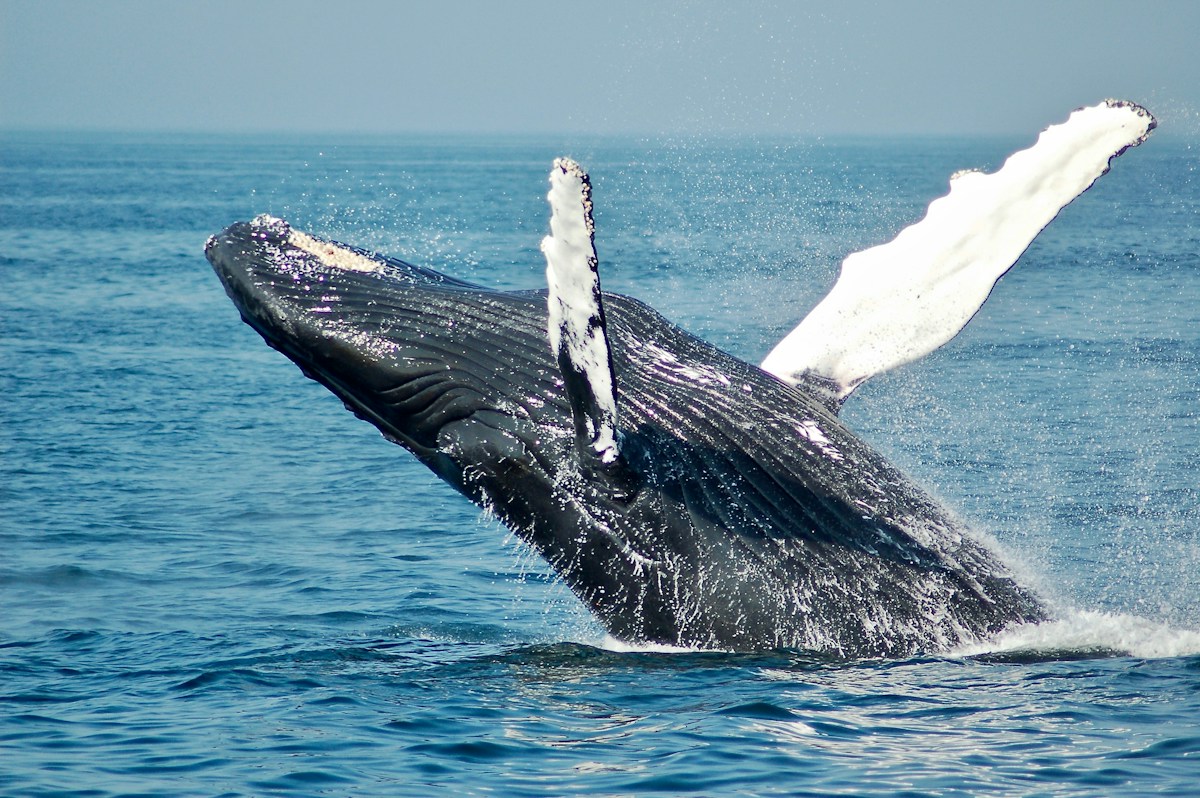
In the frigid waters off the coast of Georgia, a team of dedicated marine biologists and rescue specialists worked against time and tide to save the life of a critically endangered North Atlantic right whale. The whale, known as Division, had become entangled in commercial fishing lines that threatened to slowly kill her over weeks or months of suffering. What unfolded over two days in early January 2026 represents both the perilous state of these magnificent creatures and the extraordinary lengths humans will go to protect them.
A Race Against Time in the Atlantic
Division, a 40-foot female right whale first catalogued by researchers in 2011, was spotted in distress on January 6, 2026, by a crew conducting routine aerial surveys of the calving grounds off the Georgia and Florida coasts. Heavy fishing rope had wrapped around her upper jaw, left flipper, and body, creating a deadly harness that would only tighten as she swam.
The rescue effort, coordinated by NOAA Fisheries and the Center for Coastal Studies, began immediately. But freeing a 50-ton animal thrashing in open ocean swells is nothing like cutting a net off a beached dolphin. It requires specialized boats, custom-designed cutting tools mounted on long poles, and a team willing to get dangerously close to an animal powerful enough to capsize their vessel with a single fluke strike.
On the first day, rescuers managed to attach a telemetry buoy to the trailing lines, allowing them to track Division’s movements overnight. The seas were rough, with six-foot swells making precision work nearly impossible. As darkness fell, the team had no choice but to retreat and hope the whale would still be findable come morning.
Day two brought calmer conditions and renewed determination. Working from two rigid-hulled inflatable boats, the team approached Division repeatedly over six hours. Each approach required reading the whale’s behavior, positioning the boat at exactly the right angle, and making cuts with specialized hooked knives while the whale rolled and dove unpredictably.
By late afternoon, the final strands of rope fell away. Division dove deep, then surfaced 200 meters away, free of the deadly entanglement for the first time in what researchers estimate may have been several weeks. The team erupted in exhausted celebration.
The Desperate Plight of North Atlantic Right Whales
Division’s rescue, while celebrated, underscores the crisis facing her species. North Atlantic right whales are among the most endangered large animals on Earth, with only approximately 350 individuals remaining. Once numbering in the tens of thousands, they were hunted nearly to extinction by the early 20th century. Their name itself is a grim reminder of this history as they were considered the “right” whale to kill because they floated when dead and yielded abundant oil and baleen.
Despite decades of protection since commercial whaling ended, the population has failed to recover. In fact, it has declined by roughly 30 percent since 2010. The species faces a mortality rate that exceeds its birth rate, putting it on a trajectory toward functional extinction within decades if current trends continue.

The primary killers of right whales today are not harpoons but fishing gear and ship strikes. Together, these human-caused threats account for the overwhelming majority of right whale deaths where a cause can be determined. Entanglement in fishing lines, like what nearly killed Division, is the leading cause of death and serious injury.
Why Fishing Gear Is So Deadly
The problem centers on the vertical lines used in lobster and crab trap fishing. These lines connect buoys at the surface to traps on the ocean floor, creating millions of near-invisible obstacles throughout right whale habitat. When a whale swims through these lines, they can become wrapped around flippers, tails, and mouths.
Unlike some entanglement scenarios where animals die quickly, right whale entanglements often result in prolonged suffering. The ropes cut into flesh as the whale continues to swim, causing infection and tissue damage. They restrict feeding and movement, leading to slow starvation. Some whales drag gear for months or even years before succumbing.
Studies of right whale carcasses reveal that over 80 percent show evidence of previous entanglement, with many individuals having been entangled multiple times during their lives. Even whales that survive entanglement often bear permanent scars and may have reduced reproductive success due to the physical toll.
The energy cost of dragging heavy fishing gear is substantial. Female right whales that have experienced severe entanglement produce fewer calves and have longer intervals between births. In a population already struggling to grow, this impact on reproduction compounds the direct mortality from entanglement deaths.
A Glimmer of Hope in the Calving Season
Despite the ongoing crisis, the 2025-2026 calving season has brought encouraging news. As of early January, researchers have already documented 15 new right whale calves born in the waters off Georgia and Florida. This represents the strongest start to a calving season in years and offers hope that conservation efforts may be starting to show results.
The calving grounds in the warm, shallow waters off the southeastern United States are critical habitat for right whales. Pregnant females migrate south from their summer feeding grounds in the Gulf of Maine and Canadian waters to give birth in these protected areas between November and April.
Each calf represents a precious addition to the struggling population. Right whales reproduce slowly, with females typically giving birth to a single calf every three to five years after reaching sexual maturity around age ten. With so few breeding females remaining, every successful birth matters enormously for the species’ survival.
The promising start to this calving season follows several years of concerning reproductive decline. Between 2017 and 2020, calf numbers dropped dramatically, with some years seeing fewer than five births. The recent uptick suggests that some combination of reduced ship strikes in Canadian waters, fishing gear modifications, and improved food availability may be benefiting the population.
Developing Whale-Safe Fishing Methods
Recognizing that entanglement is the primary threat to right whale survival, researchers and fishing industry partners have been working to develop gear that reduces the risk to whales while allowing fishing operations to continue.
The most promising approach involves “ropeless” or “on-demand” fishing gear that eliminates the vertical lines entirely. Instead of permanent buoy lines, these systems use acoustic releases, inflatable lift bags, or timed-release mechanisms to bring traps to the surface for retrieval. Several versions are currently being tested in real-world fishing conditions.
Weak links and breakaway devices represent another approach, designed to allow whales to break free if they do become entangled. Regulations now require the use of weak links at certain points in fishing gear, though questions remain about whether current breaking strengths are low enough to allow large whales to escape.
Rope modifications including color-coded lines help identify gear origins when entanglements occur, supporting enforcement and allowing researchers to understand which fisheries pose the greatest risks. Sinking groundlines that rest on the ocean floor rather than floating have also been mandated to reduce one source of entanglement.
The transition to whale-safe gear faces significant challenges. On-demand systems are more expensive than traditional gear and require new skills to operate. Many fishermen operate on thin margins and worry about the economic impact of mandatory gear changes. Finding solutions that protect whales while supporting fishing communities remains an ongoing challenge.
Climate Change Pushes Whales Into Danger
Complicating conservation efforts is the shifting distribution of right whales driven by climate change. The Gulf of Maine is warming faster than almost any ocean region on Earth, causing the tiny copepods that right whales depend on for food to shift northward and into deeper waters.
Following their prey, right whales have increasingly moved into Canadian waters and areas where they were historically rare. This has brought them into new shipping lanes and fishing grounds where protections may be less developed. The unprecedented mortality event between 2017 and 2022, during which at least 34 right whales died, was concentrated in Canadian waters where the whales’ presence was unexpected.
Ship strikes are the second leading cause of right whale death, and the shifting distribution has created new collision risks. Whales are appearing in areas not covered by existing speed restrictions or routing measures designed to separate ships from whales. Both the United States and Canada have been working to update regulations, but the whales’ movements often outpace the regulatory process.
The food web disruptions caused by warming waters may also be affecting right whale health and reproduction directly. Studies have shown that right whale body condition has declined over recent decades, with whales appearing thinner and showing signs of nutritional stress. Poor body condition correlates with reduced calf production and may make whales more vulnerable to other stressors.
What Is Being Done to Save the Species
The fight to save North Atlantic right whales involves a complex web of regulations, research, and conservation action spanning two countries and multiple levels of government. Current measures include mandatory speed restrictions in certain areas and seasons, required use of modified fishing gear, and vessel routing measures to reduce ship strike risk.
NOAA Fisheries has proposed strengthened regulations for the U.S. lobster and crab fisheries, including expanded seasonal closures, additional weak link requirements, and reduced numbers of vertical lines. These proposals have been controversial, with fishing industry groups arguing they would cause severe economic harm while some conservation organizations say they don’t go far enough.
Canada has implemented dynamic management measures that can close areas to fishing or impose vessel slowdowns when right whales are detected. These measures, adopted following the 2017 mortality event, appear to have reduced deaths in Canadian waters in recent years.
Research continues into right whale behavior, health, and distribution. Aerial and vessel-based surveys track whale locations and identify individuals. Scientists study whale calls using underwater microphones and analyze photographs of every known individual to monitor population trends. New technologies including autonomous underwater vehicles and satellite tagging are providing unprecedented insights into right whale movements and habitat use.
The Road Ahead
Division’s successful rescue demonstrates what is possible when skilled teams have the resources and determination to intervene. But rescue operations, while valuable, cannot save the species on their own. With only 350 whales remaining and multiple ongoing threats, the North Atlantic right whale needs systemic changes to survive.
The strong start to this calving season offers reason for cautious optimism. Each calf born to the population represents hope for the future. But turning that hope into genuine population recovery will require continued commitment to reducing human-caused mortality from entanglement and ship strikes.
For Division, the future is uncertain but brighter than it was a week ago. Freed from the fishing lines that threatened her life, she may go on to contribute to her species’ survival. Right whales can live for 70 years or more, and Division, at roughly 14 years old, is just entering her reproductive years. With luck and continued protection, she may yet become a mother herself.
The story of Division’s rescue reminds us that individual action matters, but lasting conservation success requires addressing the root causes of the threats these whales face. Every rope removed from the water, every ship that slows down in whale habitat, and every regulation that reduces risk contributes to giving North Atlantic right whales a fighting chance at survival.



Leave a Reply