
When we think of wildlife, our minds often drift to elephants roaming the savanna, wolves prowling through forests, or whales breaching ocean surfaces. Yet the most consequential animals on Earth are far smaller and often overlooked. Insects and pollinators are the tiny creatures that quite literally run the world, sustaining ecosystems, enabling plant reproduction, and supporting the food systems that feed humanity. Without them, life as we know it would collapse within years.
This comprehensive guide explores the fascinating world of insects and their critical role as pollinators. From the industrious honeybee to the elegant monarch butterfly, these small animals deserve our attention, respect, and urgent protection.
Understanding the Scale of Insect Life
Insects represent the most diverse group of animals on Earth by an overwhelming margin. Scientists have identified approximately 1 million insect species, but estimates suggest the actual number could be anywhere from 5 to 10 million species. They inhabit every continent, including Antarctica, and have colonized virtually every terrestrial and freshwater habitat on the planet.
The biomass of insects dwarfs that of all other terrestrial animals combined. A single acre of healthy meadow may contain billions of individual insects representing thousands of species. This incredible abundance isn’t just impressive—it’s ecologically essential. Insects form the foundation of countless food webs, serving as the primary food source for birds, bats, fish, reptiles, amphibians, and mammals.
Bees and Their Remarkable Diversity
When people hear “bee,” they typically picture the European honeybee, but this species represents just one of approximately 20,000 bee species worldwide. Understanding bee diversity helps us appreciate how different species contribute uniquely to pollination and ecosystem health.
Honeybees and Their Social Complexity
Honeybees (Apis mellifera) live in highly organized colonies containing a single queen, thousands of female workers, and male drones. Their sophisticated communication system, including the famous waggle dance, allows foragers to share precise information about food sources with their nestmates. A single honeybee colony can pollinate millions of flowers during a growing season, making them invaluable to agriculture.
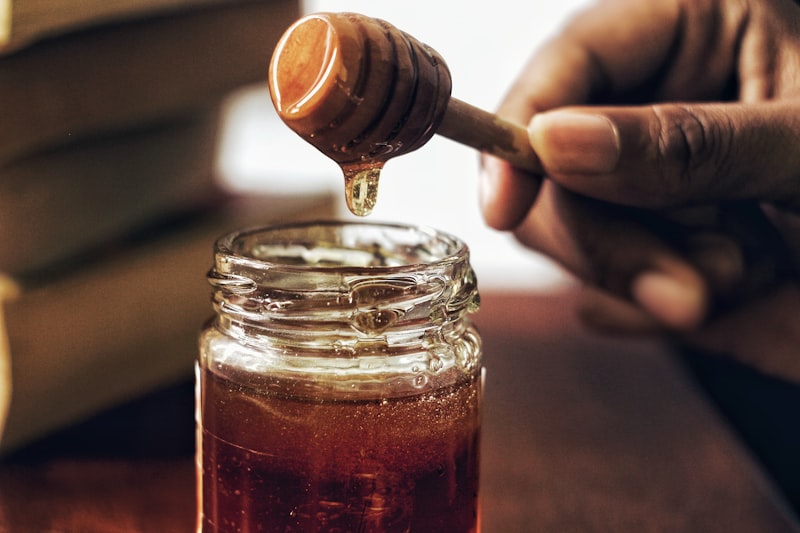
Beyond their pollination services, honeybees produce honey, beeswax, propolis, and royal jelly. Their colonies demonstrate remarkable collective intelligence, with thousands of individuals working together to regulate hive temperature, defend against predators, and make democratic decisions about new nest sites.
Bumble Bees and Cold Weather Pollination
Bumble bees belong to the genus Bombus and include around 250 species globally. Unlike honeybees, bumble bee colonies are annual, with only newly mated queens surviving winter to establish new colonies in spring. Their fuzzy bodies and ability to generate heat through muscle vibration allow them to fly and pollinate in cooler temperatures when honeybees remain inactive.
Bumble bees excel at “buzz pollination,” a technique where they vibrate their flight muscles at specific frequencies to release pollen from flowers that hold it tightly, such as tomatoes, peppers, and blueberries. This makes them essential pollinators for many food crops that honeybees cannot effectively pollinate.
Native Solitary Bees
The majority of bee species are solitary, meaning each female builds her own nest and provisions it without help from other bees. Mason bees, leafcutter bees, mining bees, and carpenter bees represent just a few groups within this diverse category. Many native bees have coevolved with specific plant species, making them more effective pollinators for those plants than generalist species like honeybees.
Solitary bees often nest in unexpected places—hollow plant stems, beetle holes in dead wood, or tunnels they dig in bare soil. Providing diverse nesting habitats is crucial for supporting native bee populations.
Butterflies and Moths as Pollinators

Lepidoptera, the order containing butterflies and moths, includes over 180,000 described species. While often celebrated for their beauty, these insects play vital roles as pollinators, particularly for wildflowers and certain crops.
The Butterfly Pollination Strategy
Butterflies typically visit flowers during daylight hours, attracted by bright colors—especially reds, oranges, yellows, and purples. Their long, coiled proboscis allows them to access nectar from tubular flowers that exclude other pollinators. As they probe for nectar, pollen adheres to their bodies and transfers between flowers.
Monarch butterflies, perhaps the most iconic North American species, undertake one of nature’s most remarkable migrations, traveling up to 3,000 miles between their breeding grounds in the United States and Canada and their overwintering sites in Mexican forests. Along this journey, they pollinate countless wildflowers and serve as indicators of ecosystem health.
Moths and Nocturnal Pollination
Moths far outnumber butterflies, with approximately 160,000 species compared to about 20,000 butterfly species. Many moths are nocturnal pollinators, visiting pale or white flowers that open at night and release strong fragrances to attract them. Hawk moths, with their ability to hover like hummingbirds, are particularly effective pollinators.
Some plants depend almost exclusively on moth pollination. Yucca plants and yucca moths have evolved one of nature’s most specialized mutualisms—the moths are the only pollinators for yuccas, and yucca flowers are the only place where yucca moth larvae can develop.
Beetles as Ancient Pollinators
Beetles represent the largest order of insects, with over 400,000 known species. They were among the first insect pollinators, appearing in the fossil record pollinating ancient flowering plants over 200 million years ago. This relationship predates bees, butterflies, and most other modern pollinators.
Beetle-pollinated flowers, often called cantharophilous flowers, tend to be large, strongly scented (sometimes with fermented or fruity odors), and produce copious pollen. Magnolias, pond lilies, and wild roses are examples of plants that rely heavily on beetle pollination. Unlike bees, beetles often consume pollen directly rather than collecting it, but they still transfer enough between flowers to enable plant reproduction.
Some beetle species have evolved highly specialized relationships with particular plants. Certain palm species are pollinated exclusively by specific weevil species that live their entire lives within the palm’s flowers and fruit.
Ants and Their Ecological Roles
Ants number approximately 22,000 species worldwide and occupy ecological niches that extend far beyond pollination. As ecosystem engineers, they aerate soil, distribute seeds, cycle nutrients, and serve as both predators and prey in countless food webs.
Seed Dispersal and Plant Relationships
Many plants have evolved to depend on ants for seed dispersal, a relationship called myrmecochory. These plants produce seeds with nutrient-rich appendages called elaiosomes that ants find irresistible. Ants carry seeds back to their nests, consume the elaiosomes, and discard the seeds in nutrient-rich underground chambers—ideal germination sites protected from predators and fire.
Approximately 11,000 plant species across 334 genera use ant dispersal, including many spring wildflowers like trilliums, violets, and bloodroot. This relationship benefits both partners and demonstrates the intricate connections between insects and plants.
Ant Colonies as Superorganisms
Ant colonies function as superorganisms, with individuals working together so seamlessly that the colony itself can be considered a single entity. Division of labor, communication through chemical signals, and collective decision-making allow colonies to accomplish feats impossible for individual ants—from constructing elaborate underground cities to farming fungus or herding aphids for honeydew.
Dragonflies and Damselflies

Odonates—dragonflies and their smaller relatives, damselflies—are ancient insects that have patrolled wetlands for over 300 million years. These aerial predators consume enormous quantities of mosquitoes, gnats, and other flying insects, providing valuable pest control services.
Aquatic Life Cycles
Dragonflies spend most of their lives as aquatic nymphs, living underwater for months to years depending on the species. During this stage, they are voracious predators of mosquito larvae, tadpoles, and even small fish. When they emerge as adults, they become equally formidable aerial hunters, capable of catching prey with over 95% success rates—far exceeding the hunting efficiency of lions, sharks, or other celebrated predators.
Indicators of Water Quality
Because dragonfly nymphs are sensitive to water pollution, their presence indicates healthy aquatic ecosystems. Researchers use dragonfly diversity and abundance as biomonitors to assess watershed health. Wetland restoration projects often track dragonfly populations as a measure of ecological recovery.
The Pollinator Decline Crisis
Insect populations worldwide are experiencing alarming declines that scientists have termed an “insect apocalypse.” Studies from Germany showed a 75% decline in flying insect biomass over 27 years in protected areas. Similar declines have been documented across Europe, North America, and other regions.
Causes of Decline
Multiple factors drive insect declines, often working synergistically to create impacts greater than any single stressor alone.
Habitat Loss stands as the primary driver. Converting natural areas to agriculture, urban development, and other human uses eliminates the native plants insects need for food and the structures they need for nesting. Even seemingly minor changes, like converting wildflower meadows to manicured lawns, can devastate local insect communities.
Pesticide Use, particularly neonicotinoid insecticides, poses severe risks to pollinators. These systemic pesticides spread throughout plant tissues, contaminating pollen and nectar. Even sublethal exposures impair bee navigation, foraging efficiency, and colony reproduction. Herbicides contribute indirectly by eliminating the wildflowers pollinators depend upon.
Climate Change disrupts the timing of plant flowering and insect emergence, potentially creating mismatches between pollinators and the plants they depend upon. Shifting climate zones force insects to migrate or adapt, while extreme weather events can devastate populations.
Light Pollution affects nocturnal insects, disrupting moth navigation and reducing pollination of night-blooming plants. Artificial lights attract and kill billions of insects annually.
Pathogens and Parasites, sometimes spread through commercial pollinator trade, weaken insect populations. The Varroa mite has devastated honeybee colonies worldwide, while various pathogens affect bumble bees and other wild pollinators.




Leave a Reply