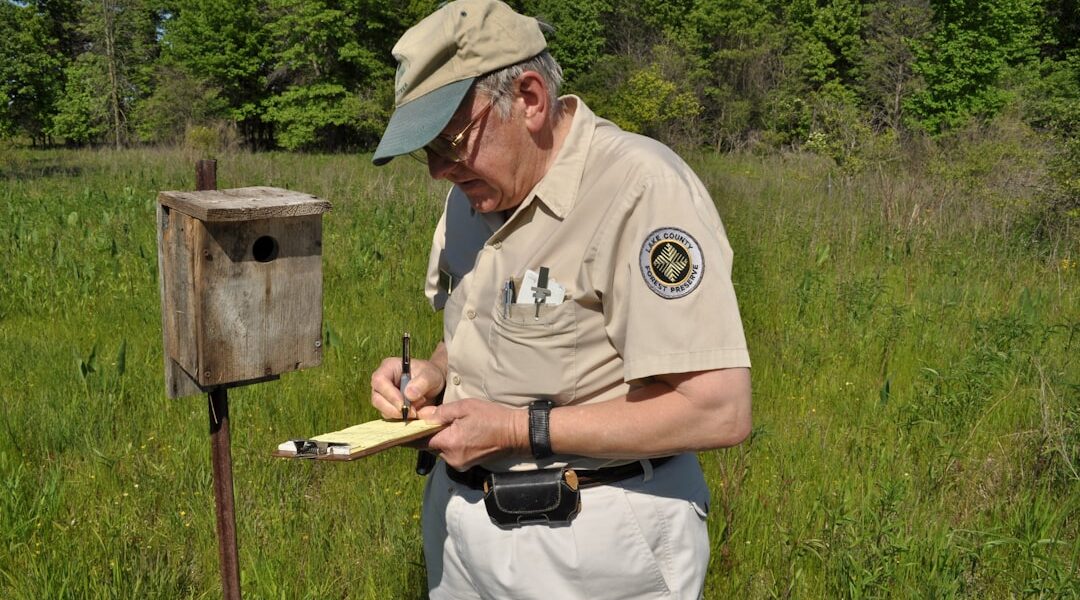
As someone who’s spent years chasing wildlife sightings across this continent (and racking up a truly embarrassing number of bug bites in the process), I’ve learned everything there is to know about where to actually find animals in North America. Today, I will share it all with you.
Here’s the thing: knowing where to go changes everything. I’ve watched people drive through Yellowstone staring at geysers and completely miss a wolf pack 200 yards off the road.
How Wildlife Spreads Across North America
North America’s wildlife didn’t just randomly scatter itself around. Millions of years of evolution, shifting climates, and geographic barriers like mountain ranges and rivers carved out territories for different species. Arctic tundra up north, tropical wetlands down south, temperate rainforests out west, bone-dry deserts in the Southwest — each ecosystem shaped its own cast of characters.
Climate is the big driver here. Caribou and arctic foxes wouldn’t last a week in the Sonoran Desert, and Gila monsters would freeze solid in northern Canada. Makes sense, right? But then you add seasonal migrations into the mix and it gets wild. Birds, caribou, whales — they’re all shuffling between regions throughout the year. It’s like a continent-wide game of musical chairs, except the chairs are entire ecosystems.
Yellowstone National Park: The Wildlife Motherload
I’m going to be honest — Yellowstone kind of ruined other national parks for me. It’s one of the most complete ecosystems left in Earth’s temperate zone, and it spans nearly 2.2 million acres across Wyoming, Montana, and Idaho. The large mammals roaming around here have been doing their thing for thousands of years, and you can still watch them do it.
The Big Names of Yellowstone

You can’t talk about Yellowstone without talking about bison. These absolute units are the park’s most visible residents, and Yellowstone protects one of the only continuously free-roaming bison herds left in North America. We’re talking 4,000 to 5,000 animals grazing through Lamar Valley and Hayden Valley. They’re enormous, they don’t care about your schedule, and they will absolutely block the road for 45 minutes. I speak from experience.
Gray wolves came back to Yellowstone in 1995 after being gone for 70 years, and their return basically rewrote the park’s ecology textbook. The wolves changed elk behavior, which let willows and aspens recover along streams, which stabilized riverbanks — it’s this incredible chain reaction scientists call a trophic cascade. Several packs now patrol the northern range, and the Lamar Valley is your best bet for spotting them. Bring a spotting scope and patience.
Both grizzly bears and black bears call Yellowstone home, though grizzlies get first dibs on the best habitat. Spring is when you’ll see them most — they come out of hibernation starving and search for winter-killed elk and bison. Summer means fishing for cutthroat trout and grazing on meadow plants. Come fall, they’re packing on calories near whitebark pine stands, gorging on nutrient-rich pine nuts before the long sleep.
When to Visit Yellowstone for Wildlife
Late April through June is peak spring wildlife watching. Bears are waking up, wolves are raising pups, and ungulates are having babies everywhere you look. Get out there at dawn or dusk — that’s when the action happens.
Fall is something else entirely. The elk rut kicks off around mid-September and runs through mid-October. Bull elk bugling across a misty valley at sunrise? That sound will haunt you (in the best possible way). This is also prime bear viewing time as they bulk up for hibernation.
Alaska: Where Wildlife Goes Big
Alaska is just… a different planet. I don’t know how else to describe it. The sheer scale of untouched wilderness up there supports animal populations that make everywhere else look like a petting zoo. It’s the last great frontier of North American wildlife, and it lives up to the hype.
Brown Bears and Grizzlies
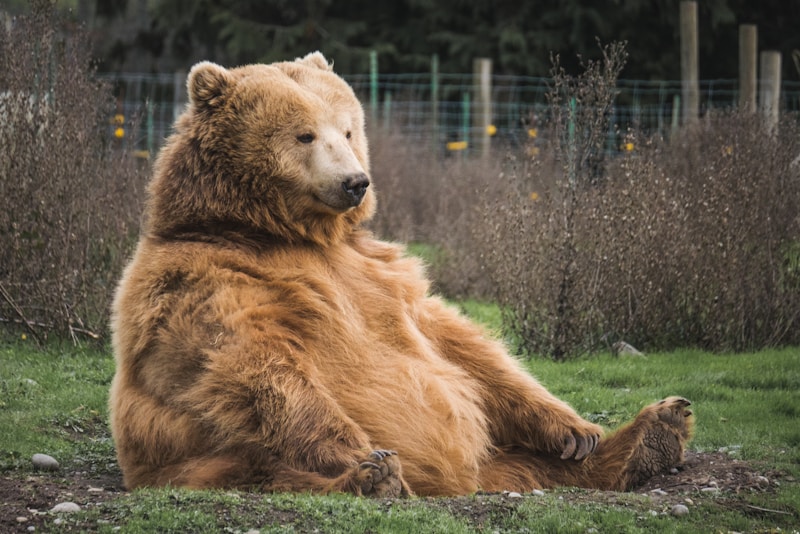
Coastal brown bears in Alaska get absolutely massive compared to their inland grizzly relatives, and the reason is simple: salmon. So much salmon. Katmai National Park’s Brooks Falls is the famous spot — bears line up in July and September to snag sockeye salmon leaping upstream like some kind of all-you-can-eat buffet. Some of these individual bears have been observed and photographed for decades. They’ve got fan followings. They’ve got names. It’s honestly kind of adorable.
Denali National Park is where you go for interior grizzlies, plus wolves, caribou, and Dall sheep. The park has a single road that winds 92 miles through wilderness, and the backdrop is literally North America’s tallest mountain. Not a bad office view for the wildlife up there.
Moose and Caribou
Moose are everywhere in Alaska’s boreal forests and wetlands, and they’re way bigger than you think. Seven feet tall at the shoulder. Up to 1,500 pounds. Bull moose grow those incredible antlers every single summer and shed them after breeding season in fall. Denali and the Kenai Peninsula are your go-to spots for reliable moose sightings.
Then there are the caribou. Alaska’s herds number in the hundreds of thousands — the Western Arctic Herd alone has roughly 200,000 animals. They migrate hundreds of miles between summer calving grounds and winter range in these massive flowing rivers of animals. If you ever get the chance to witness a caribou migration in person, take it. It’s one of those things that makes you feel genuinely small in the best way.
Wolves of the Last Frontier
Alaska’s got over 7,000 wolves spread across the state’s interior. Denali offers some of the most accessible wolf viewing you’ll find anywhere in North America. Pack dynamics, hunting behavior, denning activities — it’s all on display if you’re willing to sit still and watch. Patience is the price of admission, and it’s worth every minute.
When to Visit Alaska for Wildlife
June through August gives you the longest days and mildest weather. Bear viewing at salmon streams peaks in July and early September. Caribou migrations happen in spring and fall. Winter? That’s for the truly committed — you’ll see wolves, maybe some northern lights, and you’ll definitely question your life choices when it’s negative 20. Worth it though.
Florida and the Everglades
Florida’s subtropical climate creates wildlife communities you literally cannot find anywhere else in the continental U.S. The Everglades alone is the largest subtropical wilderness in North America. Add in the coastal marine life and migratory birds, and Florida becomes a wildlife destination that punches way above its weight.
American Alligators

Alligators run the show in Florida’s freshwater ecosystems. They’re the apex predator, and there are over a million of them in the state. A million. They were nearly wiped out by overhunting, but after getting protection in 1967, populations bounced back hard. Now they show up in lakes, rivers, swamps, and — because it’s Florida — suburban golf courses.
For proper Everglades alligator viewing, hit the Anhinga Trail or Shark Valley. The winter dry season concentrates gators around whatever water remains, so December through April is your sweet spot. You’ll see them stacked on top of each other like scaly cordwood. It’s quite a sight.
Florida Manatees
Manatees are the gentle giants of Florida’s waterways. During winter months, West Indian manatees crowd into warm-water springs and power plant outflows to stay cozy. Crystal River on the Gulf Coast is manatee central — hundreds gather from November through March. These animals can weigh over 1,000 pounds and live 60+ years, and they’re about as threatening as a large potato. I love them.
Wading Birds and Shorebirds
Florida’s bird diversity is flat-out ridiculous, especially the wading birds. Roseate spoonbills (basically pink aliens), great blue herons, wood storks, and great egrets all nest in colonies throughout the state. The Everglades is critical habitat for these species, and Corkscrew Swamp Sanctuary is the place to watch nesting wood storks up close.
Migratory shorebirds pile onto Florida’s beaches during spring and fall migrations. Red knots, sanderlings, semipalmated plovers — they’re all stopping to refuel before continuing journeys that span thousands of miles. These tiny birds fly distances that would make a commercial pilot weep.
When to Visit Florida for Wildlife
The winter dry season from December through April concentrates animals around water, making it the ideal Everglades window. Manatees gather in warm refuges November through March. Spring migration pushes waves of songbirds through the Florida Keys. Summer? That’s when the mosquitoes claim the Everglades as their own. You’ve been warned.
Pacific Northwest: Where the Ocean Meets the Forest
The Pacific Northwest is where rich marine environments collide with ancient temperate rainforests, and the result is spectacular. Orca whales, salmon runs, bald eagles, and some of the largest remaining old-growth forests in North America — this region’s got layers.
Orca Whales and Marine Mammals
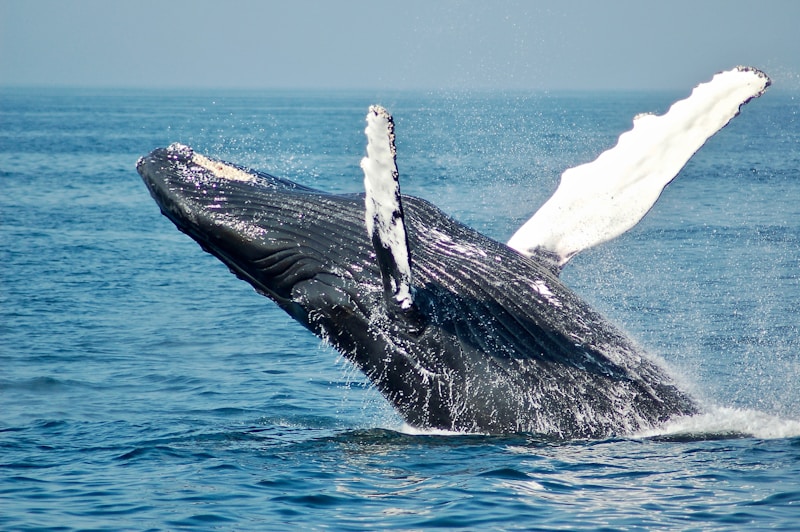
Here’s something that surprised me: not all orcas in the Pacific Northwest are the same. Southern Resident orcas specialize in eating salmon and spend their summers around Washington’s San Juan Islands. Transient orcas hunt marine mammals and roam more widely along the coast. Same species, completely different lifestyles. Nature’s weird like that.
Whale watching tours run out of Friday Harbor, Anacortes, and Victoria, and you’ve got a shot at seeing orcas, humpback whales, gray whales, and harbor seals. Peak orca season is May through September when salmon runs pull in the Southern Residents. Pro tip: dress in layers, because even summer days on the water get chilly fast.
Salmon Runs and Their Ripple Effects
Pacific salmon are basically the connective tissue between ocean and freshwater ecosystems out here. Chinook, sockeye, coho, pink, chum — they all return to Pacific Northwest rivers to spawn, and their migrations feed bears, eagles, wolves, and even the trees themselves. Seriously. Nutrients from spawning salmon end up in the forest soil. The whole system is connected in ways that still blow my mind.
Every four years, the Adams River sockeye run in British Columbia goes absolutely bonkers, with millions of crimson fish filling the river in October. Washington’s Skagit River and Oregon’s Columbia River tributaries also host significant runs that are accessible to regular folks who want to see it happen.
Bald Eagles of the Pacific Northwest
Bald eagles know where the food is, and during salmon spawning season, that means Pacific Northwest rivers. The Skagit River in Washington hosts one of the biggest bald eagle gatherings in the lower 48 — over 600 eagles from November through February. But Alaska’s Chilkat River near Haines? Over 3,000 eagles during the late fall chum salmon run. Three thousand. It’s like a bald eagle convention and everyone showed up.
When to Visit the Pacific Northwest for Wildlife
May through September is your orca window and the best weather for forest exploration. Salmon runs start in late summer and continue through fall. Winter brings those massive bald eagle concentrations along rivers with late-spawning salmon. Each season has its own draw — you really can’t go wrong.
Desert Southwest: Life Finds a Way
The American Southwest might look barren at first glance, but the wildlife here is absolutely fascinating. Animals in the Sonoran, Mojave, and Chihuahuan deserts have evolved survival strategies that would make Bear Grylls jealous. Extreme heat, barely any water, and they’re thriving. Respect.
Greater Roadrunners
Yes, roadrunners are real. No, they don’t say “meep meep.” But they CAN run up to 20 miles per hour while chasing down lizards, snakes, and insects, which is honestly more impressive than anything a cartoon bird ever did. They’re ground-dwelling cuckoos with a distinctive look that makes them instant favorites with anyone lucky enough to spot one. Southern Arizona and New Mexico are your best bets for reliable roadrunner sightings.
Rattlesnakes and Desert Reptiles
The desert Southwest is basically rattlesnake headquarters — more species here than anywhere else on the continent. Western diamondbacks, Mojave rattlesnakes, sidewinders — they’ve all figured out how to thrive with heat-sensing pit organs and incredible water conservation. Spring and fall are when you’ll see active rattlesnakes, before they either duck into winter dens or summer shade. Watch where you step.
Gila monsters and desert tortoises round out the reptile highlights. Gila monsters hold the title of North America’s only venomous lizard (quite the distinction), while desert tortoises are the ultimate survivors — some live over 80 years in conditions that would kill most animals in days.
Javelinas and Desert Mammals
Javelinas — technically called collared peccaries — look like pigs but aren’t actually pigs. They roam the deserts and scrublands of Arizona, New Mexico, and Texas in family groups, foraging for prickly pear cactus and mesquite beans. Dawn and dusk are when they come out to feed, and they’ve got this musky smell that you’ll notice before you see them. It’s… distinctive.
Desert bighorn sheep inhabit the rocky mountain ranges scattered throughout the Southwest. They nearly disappeared, but reintroduction efforts brought them back. Cabeza Prieta National Wildlife Refuge and Death Valley National Park both support healthy populations now. Watching a bighorn navigate a sheer cliff face is one of those moments that makes you question everything you thought you knew about what’s possible on four legs.
When to Visit the Desert Southwest for Wildlife
March through May is the sweet spot. Mild temperatures, blooming cacti, active wildlife. Fall works too. Summer? Unless you enjoy 115-degree heat and nocturnal-only animals, I’d skip it. Most desert critters switch to a nighttime schedule when the temperatures spike, which means your daytime viewing options drop to basically zero.
Eastern Forests: The Backyard You’re Overlooking
Eastern forests stretch from Maine to Florida and west to the Mississippi, and honestly, people don’t give this region enough credit for wildlife. Sure, it’s more developed than Alaska, but there’s an incredible amount of wild out there, especially in protected areas. These animals have learned to coexist with us, and their populations in the right spots are seriously impressive.
White-Tailed Deer
White-tailed deer are the most abundant large mammal in eastern North America. Populations have basically exploded in suburban areas where predators are gone and there’s food everywhere (looking at you, backyard garden). But in places like Great Smoky Mountains National Park and Shenandoah National Park, you can see them in proper natural forest settings doing their thing.
The fall rut from October through December is when things get interesting. Bucks compete for breeding rights through displays, vocalizations, and the occasional antler-clashing showdown. It’s dramatic, loud, and completely captivating.
Black Bears in the East
Black bears are doing really well in eastern forests, particularly in the Appalachian Mountains. Great Smoky Mountains National Park protects around 1,500 of them, which is one of the densest black bear populations anywhere. Unlike their western relatives, eastern black bears don’t have to worry about grizzly competition, which probably takes a load off.
Cades Cove in the Smokies is the spot for reliable bear sightings, especially early morning and late evening. Bears come out of their winter dens in April and stay active through November. Just remember the 50-yard rule and keep your food locked up. A fed bear is usually a dead bear — park rangers will tell you that all day long.
Wild Turkeys and Game Birds
Wild turkeys are one of conservation’s great comeback stories. Nearly wiped out in the early 1900s, they now live in every eastern state. Spring brings the courtship displays — tom turkeys strutting, gobbling, fanning those ridiculous tail feathers. It’s absurd and wonderful all at once.
Ruffed grouse drum on fallen logs to mark territory, and that low thumping sound echoing through Appalachian forests is something you won’t forget. Bobwhite quail live in southern pine forests and grasslands, though their numbers have dropped significantly in recent decades. That one stings.
When to Visit Eastern Forests for Wildlife
Spring for turkey displays and newly-emerged bears. Summer for comfortable forest hiking temperatures. Fall for jaw-dropping foliage alongside the deer rut. Winter for tracking animals through fresh snow and finding wildlife concentrated around food sources. Every season delivers something different.
Planning Your Wildlife Trip (The Practical Stuff)
Alright, let’s talk logistics. Successful wildlife viewing comes down to three things: patience, preparation, and not being a jerk to the animals. Get out there early morning or late evening when most species are active. Bring binoculars or a spotting scope so you can watch from a distance without stressing the wildlife out.
Tips I’ve Learned the Hard Way
Keep your distance. Always. The National Park Service says 100 yards minimum from bears and wolves, 25 yards from other large animals. Those numbers exist because animals have hurt people who ignored them. Use a telephoto lens for close-up shots instead of walking up for a selfie with a bison. Please. I’ve seen the videos. It doesn’t end well.
Learn the animal behavior patterns before you go. Understanding feeding habits, daily rhythms, and seasonal changes will multiply your success rate dramatically. Chat up the local naturalists and park rangers — they know things that no guidebook can teach you, and most of them love nothing more than helping someone spot their first wolf or bear.
Never feed wildlife. Never leave food accessible. I know the squirrels look cute, but human food habituates wild animals to people, and that usually ends with the animal being relocated or euthanized. Pack out your garbage. Store food in bear canisters in bear country. Be the visitor that park rangers are glad to have.
Conservation and Ethical Wildlife Tourism
Here’s something I genuinely care about: when you spend money on responsible wildlife tourism, you’re directly supporting conservation. You’re proving that these animals have economic value just by being alive and wild. Choose tour operators who follow ethical guidelines and actually put money back into habitat protection.
And support the organizations doing the hard work of protecting wildlife habitat and restoring populations. A lot of the species I’ve talked about in this guide came back from the edge of extinction because people cared enough to fund the effort. Your trip, your donations, your voice — they all matter more than you think.
Final Thoughts
North America’s wildlife is an irreplaceable treasure. I know that sounds dramatic, but spend enough time watching wolves hunt in Yellowstone or orcas breach off San Juan Island and try telling me I’m wrong. From Alaska’s vast wilderness to Florida’s weird and wonderful wetlands, from Pacific Northwest rainforests to scorching desert canyons — every region offers something you can’t get anywhere else.
Knowing where animals live and when to visit transforms a regular vacation into something that changes how you see the world. Whether you’re after the raw power of grizzly bears, the elegance of orca whales, or the haunting sound of elk bugling across a mountain valley, this continent’s wildlife regions are waiting. Go find them. And bring a good pair of binoculars.


Leave a Reply