Reptiles represent one of the most successful vertebrate lineages on Earth, with a history spanning over 300 million years. From the smallest gecko to the largest crocodile, these cold-blooded creatures have adapted to virtually every habitat on the planet except the polar regions. Today, approximately 11,000 species of reptiles crawl, slither, and swim across our world, each one a testament to evolutionary innovation and resilience.
Understanding reptiles is essential for wildlife researchers and conservationists. These animals play critical roles in ecosystems as predators, prey, and seed dispersers. They control pest populations, indicate environmental health, and contribute to the complex web of life that sustains our planet. This comprehensive guide explores the major reptile groups, their remarkable adaptations, and the conservation challenges they face in the modern world.
The Serpent Kingdom – Snake Families and Notable Species
Snakes represent the most diverse group of reptiles, with over 3,900 species distributed across every continent except Antarctica. These legless predators have evolved from lizard ancestors approximately 150 million years ago, developing unique hunting strategies and sensory capabilities that make them highly effective hunters.
Colubridae – The Largest Snake Family
The Colubridae family contains roughly two-thirds of all snake species, making it the most species-rich snake family on Earth. This diverse group includes common species like the North American rat snakes, king snakes, and garter snakes. Most colubrids are non-venomous or possess mild venom that poses no threat to humans. Rat snakes, for example, are powerful constrictors that help control rodent populations in agricultural areas worldwide.
Elapidae – The Fixed-Fang Venomous Snakes
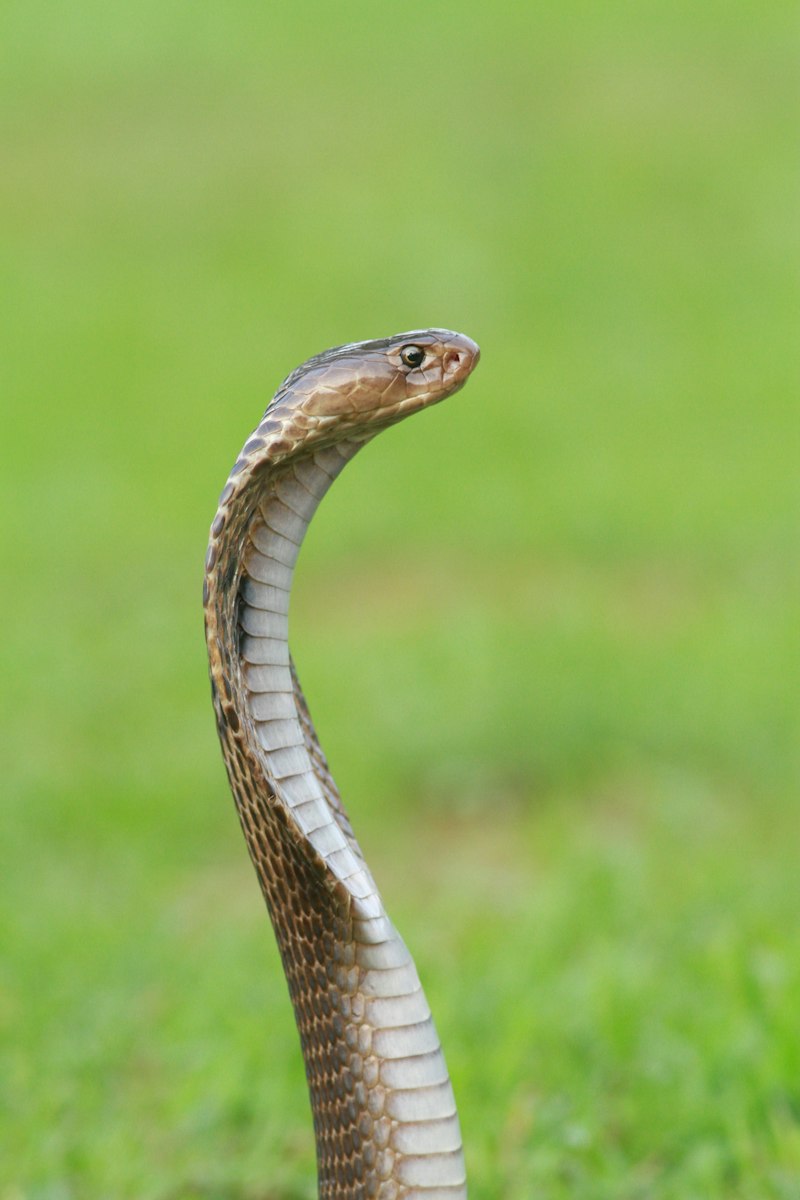
The Elapidae family includes some of the world’s most venomous snakes, characterized by their fixed front fangs that deliver potent neurotoxic venom. This family encompasses cobras, kraits, mambas, coral snakes, and all Australian venomous snakes. The king cobra stands as the longest venomous snake, reaching lengths of 18 feet, while the inland taipan of Australia possesses the most toxic venom of any land snake.
Viperidae – The Pit Vipers and True Vipers
Vipers are distinguished by their hinged, hollow fangs that fold against the roof of the mouth when not in use. This family includes rattlesnakes, copperheads, and bushmasters in the Americas, as well as puff adders and gaboon vipers in Africa. Many pit vipers possess heat-sensing pits between their eyes and nostrils, allowing them to detect warm-blooded prey in complete darkness.
Pythonidae and Boidae – The Giant Constrictors
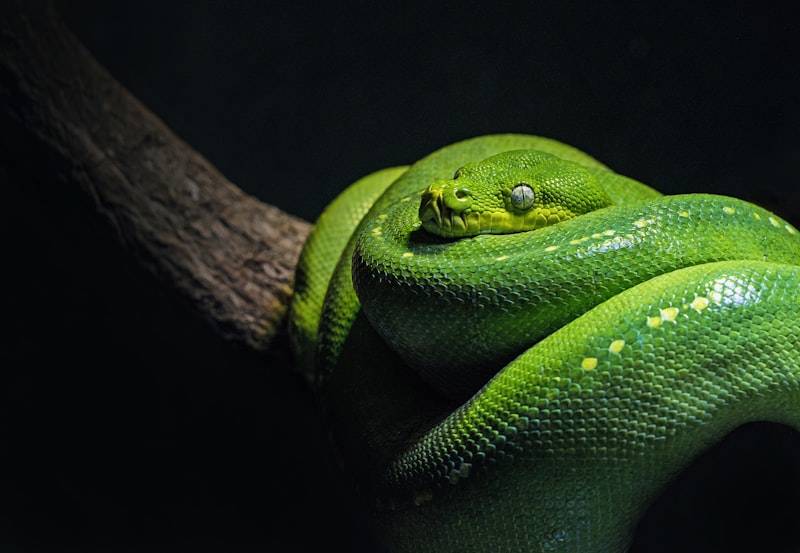
The largest snakes on Earth belong to these two families. Pythons dominate the Old World tropics, with the reticulated python holding the record as the world’s longest snake at over 20 feet. Boas thrive in the New World, with the green anaconda claiming the title of heaviest snake, weighing over 500 pounds. These powerful constrictors kill prey through suffocation, wrapping their muscular bodies around victims until blood circulation stops.
The Diverse World of Lizards
Lizards comprise the largest group of living reptiles, with over 6,000 species ranging from tiny geckos that fit on a fingertip to the massive Komodo dragon. Their diversity in form, behavior, and ecological role is unmatched among reptile groups.
Monitor Lizards – Apex Reptile Predators
The Varanidae family contains some of the most intelligent and formidable lizards on the planet. The Komodo dragon, found only on a few Indonesian islands, grows to 10 feet long and weighs over 150 pounds. These apex predators hunt deer, water buffalo, and occasionally humans. Komodo dragons possess venomous saliva containing anticoagulants and shock-inducing compounds that weaken prey after a bite.
Other notable monitors include the perentie of Australia, the Nile monitor of Africa, and the Asian water monitor, which is the second-longest lizard species. Monitor lizards demonstrate problem-solving abilities and can count to six, making them among the most cognitively advanced reptiles.
Iguanas – Herbivorous Giants of the Americas
Iguanas represent some of the largest herbivorous lizards, with the green iguana reaching lengths of six feet. These tropical specialists possess specialized gut bacteria that allow them to digest plant material efficiently. The marine iguana of the Galapagos Islands is the only sea-going lizard, diving up to 30 feet to graze on underwater algae. The Galapagos land iguana and the rhinoceros iguana of the Caribbean are other notable members of this distinctive group.
Geckos – Masters of Vertical Surfaces
With over 1,500 species, geckos have colonized habitats from tropical rainforests to arid deserts. Their remarkable toe pads, covered in millions of microscopic hair-like structures called setae, allow them to climb smooth vertical surfaces and even walk upside down on ceilings. Leopard geckos, tokay geckos, and crested geckos rank among the most well-known species. Many geckos are nocturnal and lack eyelids, instead possessing a transparent scale called a spectacle that protects their eyes.
Chameleons – Color-Changing Arboreal Specialists
Chameleons are perhaps the most recognizable lizards, famous for their ability to change color, independently rotating eyes, and projectile tongues. Native primarily to Africa and Madagascar, approximately 200 species exhibit remarkable adaptations for arboreal life. Their zygodactylous feet, with fused toes forming grasping appendages, and prehensile tails provide excellent grip on branches. A chameleon’s tongue can extend twice its body length in milliseconds, capturing insects with incredible accuracy.
Crocodilians – Ancient Armored Predators
Crocodilians are the largest living reptiles and the closest living relatives of birds, both groups descending from archosaur ancestors. The 24 living crocodilian species have changed little in 80 million years, their design so successful that major modifications proved unnecessary.
True Crocodiles
The family Crocodylidae contains 14 species distributed across Africa, Asia, Australia, and the Americas. The saltwater crocodile of Australia and Southeast Asia is the largest living reptile, with males exceeding 20 feet and 2,000 pounds. The Nile crocodile of Africa is responsible for more human fatalities than any other crocodilian. American crocodiles inhabit coastal areas from Florida to South America, tolerating saltwater through specialized salt glands.
Alligators and Caimans
The family Alligatoridae includes two alligator species and six caiman species. The American alligator, once endangered, has recovered dramatically and now numbers over one million in the southeastern United States. The Chinese alligator, however, remains critically endangered with fewer than 150 individuals in the wild. Caimans dominate South American waterways, with the black caiman reaching 15 feet and serving as an apex predator in the Amazon basin.
Gharials – Fish-Eating Specialists
The gharial of India and Nepal possesses the most distinctive snout of any crocodilian, long and narrow with over 100 sharp teeth designed exclusively for catching fish. Males develop a bulbous growth called a ghara on their snout, which amplifies their vocalizations during mating season. Critically endangered with fewer than 650 adults remaining, gharials face extinction due to habitat loss and fishing net entanglement.
Turtles and Tortoises – Shelled Survivors
Turtles and tortoises have carried their protective shells for over 200 million years, making them one of the oldest reptile lineages. Approximately 360 species occupy marine, freshwater, and terrestrial habitats worldwide.
Sea Turtles – Ocean Voyagers
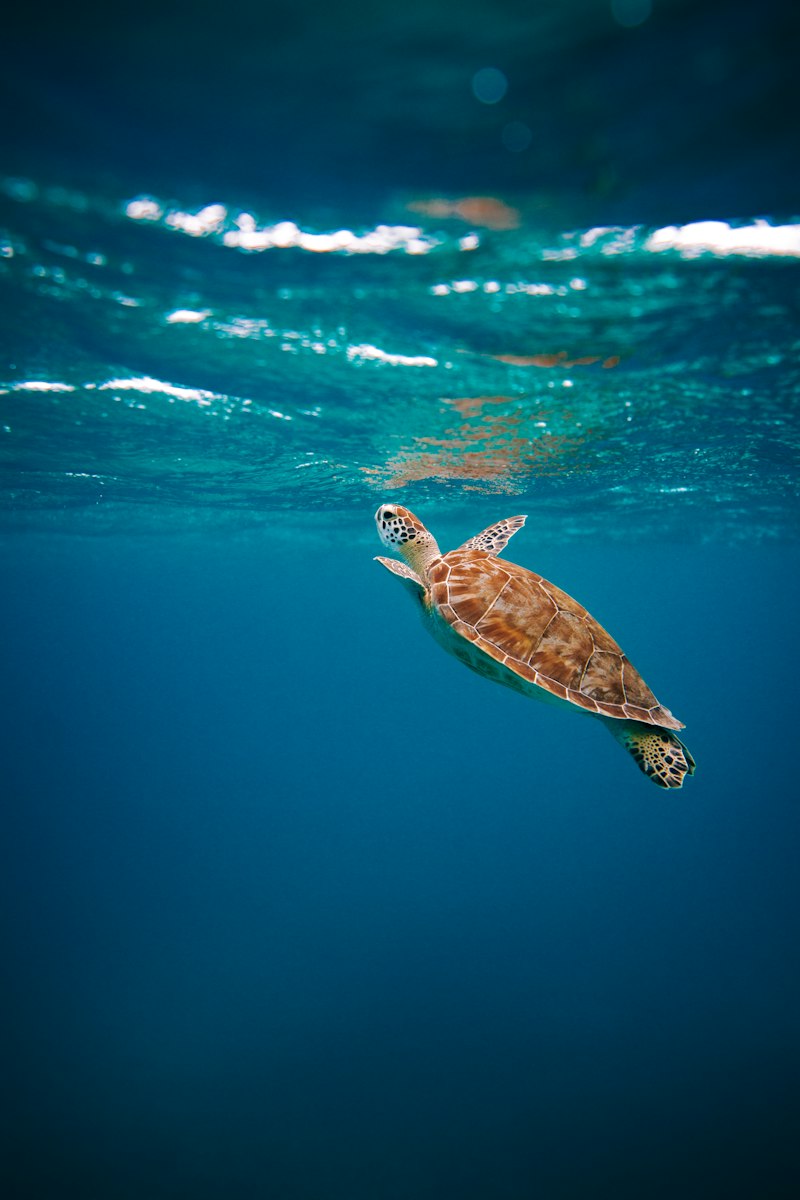
Seven species of sea turtles traverse the world’s oceans, navigating thousands of miles between feeding and nesting grounds. The leatherback sea turtle, the largest living turtle, can weigh over 2,000 pounds and dive to depths exceeding 4,000 feet. Green sea turtles are primarily herbivorous, grazing on seagrass beds, while loggerhead and hawksbill turtles consume invertebrates and sponges respectively. All sea turtle species face threats from fishing bycatch, plastic pollution, and coastal development destroying nesting beaches.
Tortoises – Land-Dwelling Giants
Tortoises are exclusively terrestrial and herbivorous, with high-domed shells that provide protection from predators. The Galapagos giant tortoise and the Aldabra giant tortoise of the Seychelles are the largest species, weighing over 400 pounds and living well over 100 years. The desert tortoise of the American Southwest survives extreme conditions by burrowing and storing water in its bladder. Sadly, many tortoise species are critically endangered due to collection for the pet trade and habitat destruction.
Freshwater Turtles
Freshwater turtles display remarkable diversity in form and function. Snapping turtles are powerful predators with vice-like jaws, while painted turtles and sliders are common pond inhabitants. The bizarre mata mata of South America resembles a pile of dead leaves, ambushing fish that swim too close. Softshell turtles have flexible, leathery shells and can breathe through their skin while submerged. Box turtles, despite their name, are actually semi-terrestrial and can completely close their hinged shells for protection.
Tuataras – Living Fossils of New Zealand
The tuatara stands alone as the sole surviving member of the order Rhynchocephalia, which flourished alongside dinosaurs over 200 million years ago. Found only on small islands off the New Zealand coast, tuataras resemble lizards but differ in fundamental ways. They possess a third eye on top of their head, visible in juveniles but covered by scales in adults, which may help regulate circadian rhythms and seasonal behavior.
Tuataras have the slowest reproduction rate of any reptile, not reaching sexual maturity until 10-20 years of age. Females only breed every two to five years, and eggs take 12-15 months to hatch. They thrive in cooler temperatures than other reptiles, remaining active at temperatures that would immobilize most cold-blooded animals. Conservation efforts have successfully translocated tuataras to predator-free islands, securing their future after centuries of decline.
Remarkable Reptile Adaptations
Reptiles have evolved extraordinary adaptations that allow them to thrive in challenging environments.
Thermoregulation Strategies
As ectotherms, reptiles cannot generate their own body heat and must rely on external sources. Basking in sunlight raises body temperature, while seeking shade or burrows prevents overheating. Marine iguanas shuttle between cold ocean waters and warm lava rocks. Some pythons generate metabolic heat while incubating eggs, a rare exception among reptiles.
Venoms and Toxins
Venomous reptiles have evolved complex chemical cocktails for subduing prey and deterring predators. Snake venoms contain neurotoxins, hemotoxins, cytotoxins, and dozens of other compounds. Gila monsters and beaded lizards produce venomous saliva, while some dart frogs secrete lethal skin toxins. Research into reptile venoms has yielded important pharmaceutical discoveries, including blood pressure medications and anticoagulants.
Defensive Mechanisms
Reptiles employ diverse defensive strategies beyond simply fleeing. The horned lizard can squirt blood from its eyes to deter predators. The frilled lizard erects an impressive neck frill while hissing. Many snakes mimic the warning colors or behaviors of venomous species. Some geckos shed their tails, which continue to wiggle and distract predators while the gecko escapes.



Leave a Reply