
Venomous animals have evolved sophisticated chemical defense systems over millions of years, developing some of nature’s most potent toxins. From the depths of tropical oceans to arid desert landscapes, these creatures use venom for hunting prey and defending against predators. Understanding which species pose genuine threats to humans and learning proper safety protocols can mean the difference between a close encounter and a medical emergency.
This comprehensive guide examines the world’s most dangerous venomous animals, their geographic distributions, the effects of their venoms, and essential first aid knowledge that could save your life or someone else’s during an encounter.
Understanding Venom vs. Poison
Before exploring specific species, it’s important to understand the distinction between venomous and poisonous animals. Venomous creatures actively inject toxins through specialized delivery mechanisms such as fangs, stingers, or spines. Poisonous animals, by contrast, contain toxins that cause harm when touched or ingested. A rattlesnake is venomous because it injects venom through its fangs, while a poison dart frog is poisonous because its skin contains toxins absorbed through contact.
Venom composition varies dramatically between species and even within the same species across different geographic regions. Most venoms contain complex mixtures of proteins, enzymes, and peptides that can cause effects ranging from localized pain and swelling to systemic organ failure and death. Medical treatment depends entirely on identifying the envenoming species, making accurate identification a critical survival skill.
Venomous Snakes Around the World
Snakes account for more venomous animal fatalities than any other group, with estimates suggesting between 81,000 and 138,000 deaths annually worldwide. The vast majority of these deaths occur in rural areas of Asia, Africa, and Latin America where medical treatment is limited.
North American Pit Vipers
The United States is home to approximately 20 venomous snake species, with pit vipers representing the most significant threat. Rattlesnakes, copperheads, and cottonmouths belong to this family, all characterized by heat-sensing pits between their eyes and nostrils that allow them to detect warm-blooded prey.
The Western Diamondback Rattlesnake ranks among the most dangerous North American species, responsible for more snakebite fatalities than any other snake in the region. Found throughout the southwestern states and Mexico, this large rattlesnake can exceed six feet in length and delivers substantial venom quantities. Its hemotoxic venom destroys red blood cells and damages tissue, causing intense pain, swelling, and potential necrosis at the bite site.
The Timber Rattlesnake inhabits eastern forests from Minnesota to Texas and northward through New England. Despite its potent venom, this species demonstrates remarkably docile behavior and rarely bites unless directly provoked or stepped upon. The Mojave Rattlesnake possesses perhaps the most dangerous venom of any North American snake, containing both hemotoxic and neurotoxic components that can cause respiratory failure.
Asian Cobras and Kraits
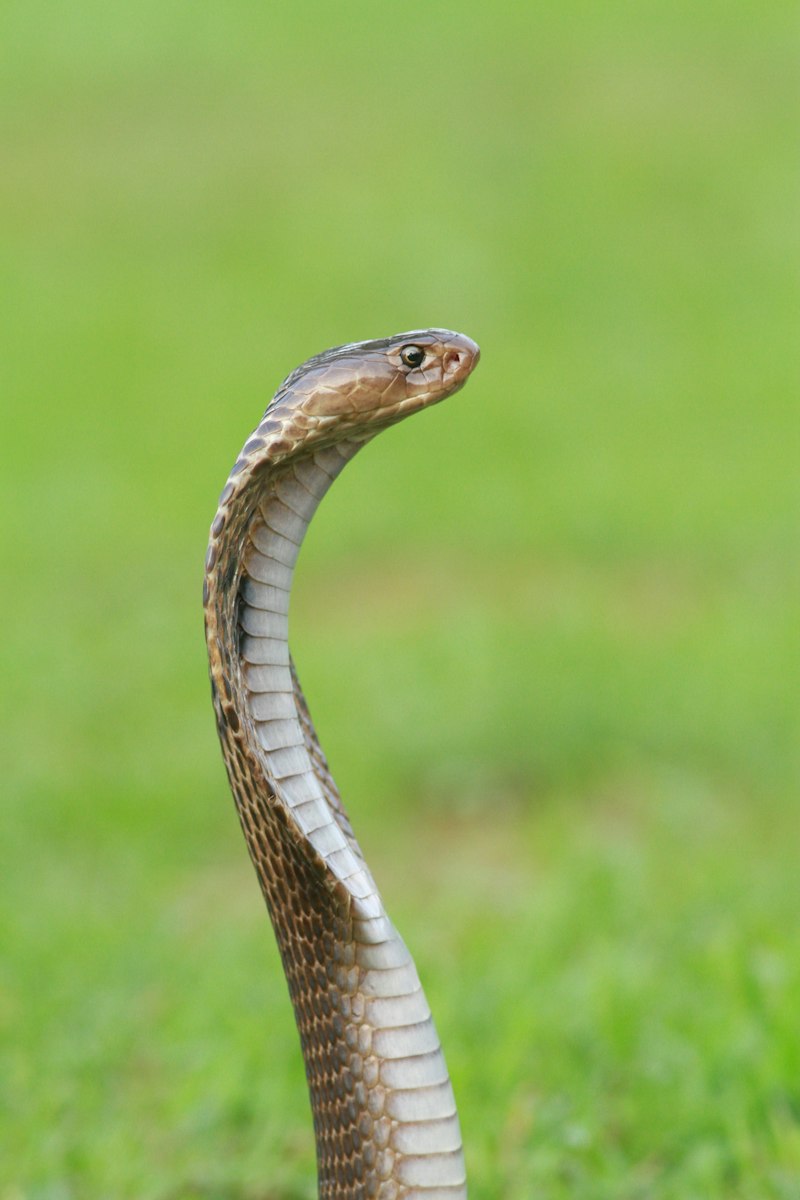
Southeast Asia contains the highest concentration of venomous snake species and snakebite fatalities globally. The Indian Cobra and its relatives account for tens of thousands of deaths annually across the Indian subcontinent. Cobras deliver primarily neurotoxic venom that attacks the nervous system, causing progressive paralysis that can lead to respiratory failure within hours.
The King Cobra, reaching lengths exceeding 18 feet, holds the distinction of being the world’s longest venomous snake. Despite its fearsome reputation, this species generally avoids human contact and bites are relatively rare. When bites do occur, however, the large venom volume delivered can prove rapidly fatal without antivenom treatment.
Kraits present an insidious danger due to their nocturnal hunting behavior and tendency to seek shelter in human dwellings. The Common Krait and Banded Krait cause numerous fatalities in South Asia, with victims often bitten while sleeping and remaining unaware of the bite until symptoms develop hours later.
African Mambas and Vipers
Africa’s venomous snake fauna includes some of the world’s most feared species. The Black Mamba, capable of striking at speeds exceeding 12 miles per hour, delivers potent neurotoxic venom that can cause death within hours without treatment. Contrary to its name, this snake displays a gray-brown coloration externally, with the “black” referring to the inside of its mouth displayed during threat postures.
The Puff Adder causes more snakebite fatalities in Africa than any other species, not because of exceptional venom potency but due to its widespread distribution, excellent camouflage, and tendency to remain motionless when approached rather than fleeing. This behavior leads to accidental encounters when people step directly on concealed snakes.
Australian Elapids
Australia contains a disproportionate number of the world’s most venomous snakes, with inland taipans, eastern brown snakes, and tiger snakes all ranking among the most toxic species known. The Inland Taipan possesses venom potent enough to kill over 100 adult humans with a single bite, though this shy, remote-dwelling species rarely encounters people and no confirmed human fatalities have been recorded.
The Eastern Brown Snake causes more snakebite deaths in Australia than any other species. Commonly found near human habitation and quick to strike when threatened, this snake delivers highly potent venom that causes progressive coagulopathy, leading to uncontrollable bleeding.
Venomous Spiders of Medical Significance

While spiders inspire disproportionate fear, only a handful of species worldwide pose genuine medical threats to humans. Most spider venoms evolved for subduing insect prey and prove largely ineffective against larger mammals.
Black Widow Spiders
Black widow spiders occur throughout temperate and tropical regions worldwide, with several species found across North America, South America, Europe, Africa, and Australia. The female’s distinctive red hourglass marking on a shiny black abdomen makes identification straightforward.
Black widow venom contains latrotoxin, a potent neurotoxin that causes systemic effects including severe muscle cramps, abdominal rigidity, profuse sweating, and elevated blood pressure. While extremely painful, fatalities are rare in healthy adults, though children, elderly individuals, and those with compromised health face elevated risks. Antivenom exists and proves effective when administered promptly.
Brown Recluse Spiders
The Brown Recluse inhabits the central and southern United States, constructing irregular webs in undisturbed spaces such as closets, attics, and storage areas. This small, tan-colored spider features a distinctive violin-shaped marking on its cephalothorax.
Unlike black widow venom that causes systemic effects, brown recluse venom contains enzymes that destroy tissue at the bite site. In severe cases, necrotic ulcers develop that can expand over days to weeks, sometimes requiring surgical intervention. Systemic loxoscelism, involving hemolysis and organ damage, occurs rarely but can prove life-threatening.
Australian Funnel Web Spiders
Sydney Funnel Web Spiders rank among the world’s most dangerous arachnids. These large, aggressive spiders construct distinctive funnel-shaped webs in moist, sheltered locations throughout southeastern Australia. Males, which wander in search of mates during warmer months, account for most serious envenomations.
Funnel web venom contains atracotoxin, which causes rapid onset of severe symptoms including profuse salivation, muscle spasms, elevated blood pressure, and potentially fatal pulmonary edema. Before antivenom development in 1981, numerous fatalities occurred; since its introduction, no deaths have been recorded when antivenom was administered promptly.
Scorpions and Their Hidden Dangers
Approximately 2,500 scorpion species exist worldwide, inhabiting every continent except Antarctica. While all scorpions possess venom, only 25 to 30 species pose genuine medical threats to humans. The general rule that scorpions with large pincers and small tails tend to be less dangerous than those with small pincers and thick tails holds reasonably true.
The Arizona Bark Scorpion represents the most dangerous species in North America, capable of causing severe neurotoxic effects including numbness, difficulty breathing, and muscle spasms. Deaths are rare with modern medical care but can occur in vulnerable populations.
The Deathstalker Scorpion of North Africa and the Middle East possesses extremely potent neurotoxic venom responsible for most scorpion-related fatalities in its range. The Fat-Tailed Scorpions of Africa and Asia similarly cause significant mortality, particularly in regions with limited healthcare access.
Marine Stingers and Venomous Jellyfish
Ocean environments harbor numerous venomous creatures that pose risks to swimmers, divers, and fishermen. Jellyfish and their relatives cause thousands of envenomations annually, ranging from minor irritation to life-threatening emergencies.
Box Jellyfish
Australian Box Jellyfish rank among the most venomous creatures on Earth. Contact with their tentacles triggers immediate, excruciating pain and can cause cardiac arrest within minutes. The tentacles contain millions of nematocysts that fire barbed tubules capable of penetrating human skin and injecting venom.
Chironex fleckeri, the Sea Wasp, has caused over 60 documented deaths in Australian waters since 1883. Even small specimens can deliver potentially lethal envenomations. Vinegar application can prevent unfired nematocysts from discharging, but provides no benefit for venom already injected.
Portuguese Man-of-War
Despite resembling jellyfish, Portuguese Man-of-War are actually colonial organisms composed of specialized individuals called zooids. Their distinctive blue float and long trailing tentacles are commonly encountered in Atlantic, Pacific, and Indian Ocean waters. While rarely fatal, stings cause intense pain, welts, and occasionally systemic symptoms including fever and shock.
Irukandji Jellyfish
These tiny box jellyfish, some barely larger than a fingernail, deliver stings that initially seem minor but develop into Irukandji Syndrome within 20 to 30 minutes. Symptoms include severe back pain, muscle cramps, sweating, anxiety, nausea, and potentially dangerous hypertension. Despite their small size, these jellyfish have caused fatalities and should be taken seriously.
Venomous Fish and Marine Creatures
Many fish species possess venomous spines used for defense against predators. While most cause only localized pain and swelling, several species deliver potentially dangerous envenomations.
Stonefish
Stonefish hold the distinction of being the most venomous fish known to science. Found in shallow coastal waters of the Indo-Pacific region, these masters of camouflage resemble encrusted rocks on the seafloor. Thirteen dorsal spines deliver venom when pressure is applied, typically when an unwary swimmer steps on a concealed fish.
Stonefish envenomation causes immediate, intense pain described as the worst imaginable. Without treatment, the pain can persist for days. Systemic effects including tissue necrosis, heart failure, and temporary paralysis can occur. Hot water immersion (as hot as tolerable without causing burns) helps denature the heat-labile venom components and provides significant pain relief.



Leave a Reply