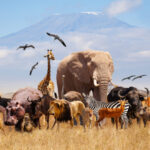
Wildlife photography stands as one of the most rewarding yet challenging forms of photography. Capturing animals in their natural habitats requires a unique combination of technical skill, patience, and deep respect for your subjects. Whether you dream of photographing African elephants on safari or songbirds in your backyard, mastering wildlife photography opens doors to incredible experiences and stunning images that can inspire conservation efforts worldwide.
This comprehensive guide covers everything you need to know about wildlife photography, from essential camera settings to ethical considerations that should guide every wildlife photographer. By the time you finish reading, you will have the knowledge and confidence to pursue this rewarding craft.
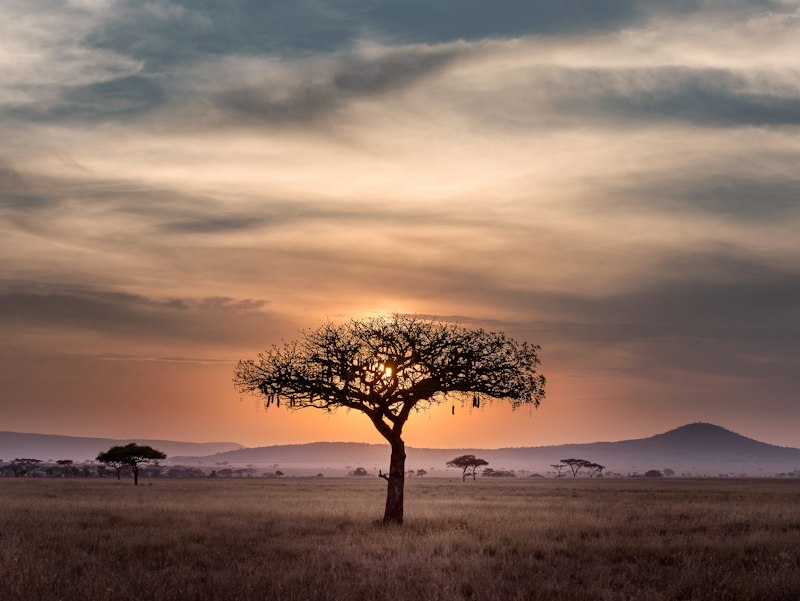
Essential Camera Settings for Wildlife Photography
Understanding your camera settings forms the foundation of successful wildlife photography. Animals rarely pose for photographers, so you must be ready to capture fleeting moments with precision and speed.
Shutter Speed represents your most critical setting when photographing wildlife. For stationary animals, a minimum shutter speed of 1/250 second prevents blur from camera shake and subtle animal movements. Flying birds and running mammals demand much faster speeds, often 1/1000 second or higher. When photographing birds in flight, professional wildlife photographers frequently use shutter speeds between 1/2000 and 1/4000 second to freeze wing motion completely.
Aperture Selection affects both exposure and depth of field. Many wildlife photographers prefer apertures between f/5.6 and f/8, which provide sharp focus on the subject while creating pleasing background blur that separates animals from distracting environments. Wider apertures like f/4 work well in low light conditions but require more precise focusing.
ISO Settings should be adjusted based on available light. Modern cameras handle high ISO values remarkably well, so do not hesitate to increase ISO to 1600, 3200, or even higher when needed. A sharp image with some noise always surpasses a blurry image shot at low ISO. Many wildlife photographers set their cameras to Auto ISO with a maximum limit, allowing the camera to maintain proper exposure while they focus on composition and timing.
Autofocus Modes make the difference between sharp and missed shots. Continuous autofocus modes, called AI Servo on Canon cameras and AF-C on Nikon and Sony systems, track moving subjects and continuously adjust focus. Combine continuous autofocus with zone or dynamic area focus points to give your camera the best chance of maintaining focus on unpredictable animals.
Choosing the Best Lenses for Wildlife Photography
Lens selection dramatically impacts your wildlife photography results. The right glass allows you to capture intimate portraits of distant subjects while maintaining image quality.

Telephoto Zoom Lenses offer versatility that dedicated wildlife photographers appreciate. A 100-400mm or 150-600mm zoom lens provides reach for distant subjects while allowing quick reframing when animals move closer. These lenses work excellently for safari photography and general wildlife work where subject distance varies constantly.
Super Telephoto Prime Lenses in the 500mm to 800mm range represent the gold standard for professional wildlife photography. These lenses deliver exceptional sharpness and faster maximum apertures than zoom lenses, enabling shooting in lower light conditions. The investment is substantial, but serious wildlife photographers often consider these lenses essential tools.
Teleconverters extend your reach by 1.4x or 2x, turning a 400mm lens into a 560mm or 800mm lens. You sacrifice some light gathering ability and potentially some sharpness, but teleconverters provide affordable reach extension when paired with high-quality lenses.
Wide Angle Lenses should not be overlooked for wildlife photography. Environmental portraits that show animals within their habitats tell compelling stories that tight headshots cannot convey. A 16-35mm or 24-70mm lens works beautifully for contextual wildlife images.
The Art of Patience and Fieldcraft
Technical equipment matters far less than your ability to find and approach wildlife successfully. Fieldcraft encompasses the skills and knowledge that bring you close to wild animals without disturbing their natural behaviors.
Research Your Subjects before heading into the field. Understanding animal behavior, preferred habitats, feeding patterns, and daily activity cycles dramatically increases your chances of successful encounters. Learn when animals are most active, which typically coincides with early morning and late afternoon hours.
Move Slowly and Quietly when approaching wildlife. Sudden movements trigger flight responses in most animals. Take small steps, pause frequently, and avoid direct eye contact, which many animals interpret as threatening. Approaching at an angle rather than directly toward an animal often proves less alarming to your subjects.
Use Natural Cover to conceal your approach and presence. Trees, rocks, and vegetation provide camouflage that helps you blend into the environment. Some wildlife photographers use portable blinds or hides positioned near water sources, feeding areas, or known animal paths.
Let Animals Come to You whenever possible. Finding a promising location and waiting patiently often yields better results than actively pursuing wildlife. Animals that approach you on their own terms display more natural behaviors and allow closer, more intimate photography opportunities.
Learn to Read Body Language of your subjects. Signs of stress or alarm mean you should stop advancing or even back away. Relaxed animals that continue feeding, grooming, or interacting naturally indicate you have achieved an acceptable distance. Recognizing these signals protects both animals and your photography opportunities.
Ethical Wildlife Photography Practices
Every wildlife photographer carries responsibility for the welfare of their subjects and the environments they photograph. Ethical practices ensure that our passion for wildlife photography contributes positively to conservation rather than harming the animals we seek to capture.
Never Bait or Lure Wildlife for photographic opportunities. Feeding wild animals alters their natural behaviors, can cause health problems, and may lead to dangerous habituation to humans. The temporary benefit of closer shots never justifies the lasting harm to wildlife.
Respect Nesting and Denning Sites with extreme caution. Breeding animals are particularly vulnerable to disturbance, and photographs are never worth causing nest abandonment or stress to young animals. Maintain generous distances from active nests and dens, and leave immediately if you notice any signs of disturbance.
Stay on Designated Trails in protected areas. Leaving established paths damages vegetation, disturbs wildlife, and sets poor examples for other visitors. Use long lenses to capture distant subjects rather than approaching through sensitive habitats.
Be Honest About Your Images and never misrepresent captive animals as wild or manipulate images in ways that deceive viewers. The integrity of wildlife photography depends on truthful representation of our natural world.
Consider Your Impact on locations you photograph. Sharing specific locations of rare or sensitive species on social media can lead to overcrowding and disturbance. Protect wildlife by being thoughtful about the information you share publicly.
Mastering Golden Hour and Natural Lighting

Light quality transforms ordinary wildlife photographs into extraordinary images. Understanding how to work with natural light separates competent photographers from truly skilled practitioners.
Golden Hour refers to the period shortly after sunrise and before sunset when sunlight travels through more atmosphere, creating warm, soft illumination. This magical light flatters wildlife subjects beautifully, adding warmth to fur and feathers while creating gentle shadows that reveal texture and form. Plan your shoots around these optimal lighting windows.
Overcast Conditions provide excellent lighting for wildlife photography despite initial impressions. Cloud cover acts as a giant diffuser, eliminating harsh shadows and reducing contrast. Colors appear more saturated under overcast skies, and animals often remain active longer during cloudy days.
Backlighting creates dramatic rim-lit images when the sun sits behind your subject. This technique works particularly well with translucent subjects like bird feathers or the fur of backlit mammals. Expose for the subject rather than the bright background to avoid silhouettes unless that effect suits your vision.
Open Shade offers soft, even lighting excellent for wildlife portraits. Animals resting under tree canopy or in shaded areas benefit from reduced contrast and no squinting from direct sunlight. The challenge lies in managing color casts from green foliage reflecting into shaded areas.
Avoid Harsh Midday Sun whenever possible. The overhead light creates unflattering shadows under eyes and pronounced contrast that obscures detail. If you must photograph during midday, seek subjects in shade or look for creative compositions that work with the challenging light.
Composition Techniques for Compelling Wildlife Images
Strong composition elevates wildlife photographs from simple documentation to powerful visual storytelling. Apply these principles to create images that engage viewers and communicate effectively.
Eye Contact and Sharpness form the cornerstone of compelling wildlife portraits. Viewers instinctively seek connection through the eyes, so ensure tack-sharp focus on your subject’s nearest eye. A slightly soft body is acceptable if the eye remains critically sharp.
The Rule of Thirds provides a reliable starting point for composition. Placing your subject off-center, particularly positioning the eye at a thirds intersection point, creates dynamic images with visual tension that holds viewer attention.
Leave Space for Movement in the frame. Animals facing left should generally have more space on the left side of the image, giving them room to move into the frame. This principle applies to flying, walking, or even resting animals whose body position suggests direction.
Background Awareness prevents distracting elements from competing with your subject. Watch for bright spots, contrasting colors, or recognizable objects that draw attention away from wildlife. Repositioning slightly often eliminates problematic backgrounds while maintaining your subject composition.
Environmental Context tells richer stories than tight portraits alone. Include habitat elements that reveal where and how animals live. A polar bear against Arctic ice or a leopard in an acacia tree provides context that isolated subjects cannot convey.
Behavioral Moments add narrative power to wildlife images. Feeding, grooming, playing, fighting, and courting behaviors create far more compelling photographs than static portraits. Patience and readiness allow you to capture these decisive moments.
Safari Photography Strategies
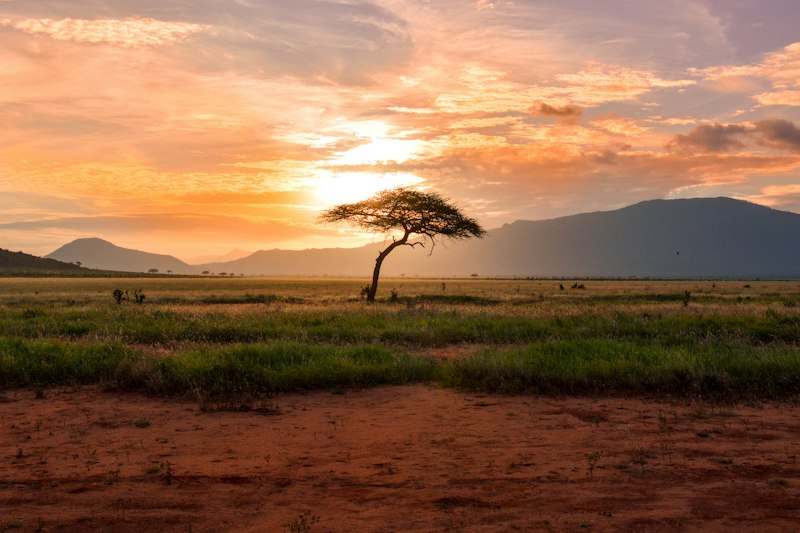
African safaris and other guided wildlife excursions present unique opportunities and challenges for photographers. Maximize your safari experience with these targeted strategies.
Vehicle Positioning dramatically affects your images. Communicate clearly with your guide about optimal angles and lighting direction. Morning safaris benefit from positioning that places the sun behind you, illuminating subjects beautifully. Do not hesitate to request repositioning when lighting or angles could improve.
Stabilization becomes essential when shooting from vehicles. Bean bags draped over window ledges or vehicle doors provide stable platforms for long lenses. Purpose-built vehicle mounts offer even more stability. Avoid resting equipment directly on vehicle surfaces, which transmit engine vibrations.
Anticipate Action by reading animal behavior. Experienced guides can predict when predators might hunt, when herds might move, or when conflicts might erupt. Stay ready with appropriate camera settings before action begins rather than scrambling to adjust during critical moments.
Dust Protection matters enormously on safari. Bring more lens cloths than you think necessary, seal equipment in bags between drives, and change lenses carefully in enclosed vehicle cabins rather than exposed locations. Dust inside camera bodies causes sensor spots that plague every subsequent image.
Respect Other Travelers sharing your vehicle. Safari photography works best when everyone cooperates, rotating positions and sharing prime spots. Brief others on what you hope to capture so they can help spot opportunities and avoid blocking your shots.


Leave a Reply