
Today, I will share it all with you.
Here’s the thing — you don’t need a biology degree or fancy equipment. You need curiosity, a decent pair of boots, and the willingness to crouch down in the mud looking at footprints while your hiking buddy wonders what you’re doing. I’ve been there more times than I can count. And honestly? Those moments when you piece together the clues and realize a mountain lion passed through your campsite three hours ago — that’s a rush no nature documentary can replicate.
Let’s dig into the stuff that actually matters when you’re out there trying to read what the animals left behind.
Understanding Animal Track Identification Basics
Tracks are everywhere — they’re the most common wildlife sign you’ll stumble across, and once you know what to look for, you can’t unsee them. Every critter that walks, runs, hops, or shuffles leaves behind a footprint that’s basically a diary entry about its size, speed, and what it was up to.
The Four Main Track Categories
Dog Family (Canids) — Wolves, coyotes, foxes, and your neighbor’s golden retriever all leave tracks with four toes showing, and you’ll usually see claw marks in there too. The overall shape is oval-ish, with the front two toes sitting close together. One dead giveaway for canids? Their tracks tend to fall in fairly straight lines because these animals are efficient movers. They don’t waste energy wandering — they’ve got places to be.
Cat Family (Felids) — Mountain lions, bobcats, and house cats also show four toes, but here’s where it gets interesting. Cat tracks are rounder than dog tracks, and — this is the big one — you almost never see claw marks. Why? Retractable claws. If you look closely at the main pad, you’ll notice the leading edge has two lobes and the trailing edge has three. Once you see that difference, you won’t mix up cat and dog tracks again.
Bear Family (Ursids) — Bear tracks show five toes with claw marks and honestly look a lot like oversized human footprints, especially the hind foot. The front foot is wider and more paddle-shaped. Here’s a useful tip: black bear claws are shorter and more curved, while grizzly claws show up longer and straighter in the track. That distinction matters quite a bit if you’re in country where both species live.
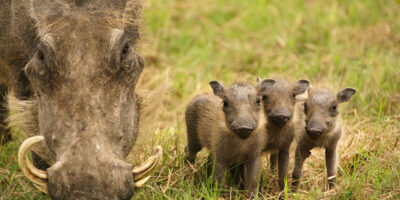
Hoofed Animals (Ungulates) — Deer, elk, moose, and wild pigs leave those distinctive two-toed tracks. Deer prints are heart-shaped with pointed tips (they’re actually pretty elegant). Moose tracks are considerably larger and more splayed out. Elk tracks land somewhere in between — bigger than deer, smaller than moose, and rounder overall.
Reading Track Patterns and Gaits
Here’s something that took me a while to appreciate: you can often ID an animal from its gait pattern even when individual tracks are smudged or unclear. A walking gait gives you alternating left-right footfalls. Trotting shows more diagonal placement. Galloping creates clusters of four prints. And bounding animals like rabbits? Their hind feet actually land ahead of their front feet, which creates this instantly recognizable pattern once you know what you’re seeing.
Track depth and stride length tell you a ton about size and speed. Deep tracks with long strides = large animal moving fast. Shallow prints close together = smaller creature taking its time. The best time to go tracking? Right after rain or fresh snowfall. The detail you get in those conditions is night and day compared to dry, hard-packed ground.
Identifying Animal Sounds at Night
I’ll be honest — nighttime sounds used to freak me out before I learned what was making them. Now they’re one of my favorite parts of being outdoors.
Fox Vocalizations
Red foxes are vocal weirdos, and I mean that with total affection. Their most famous call is this piercing, high-pitched scream that sounds — no exaggeration — like a person in serious trouble. I’ve seen experienced campers jump out of their sleeping bags the first time they hear it. This “vixen’s scream” shows up mostly during mating season, roughly December through February. Beyond the scream, foxes also bark (think hoarse dog bark) and produce rapid yipping sounds when they’re chatting with family. Gray foxes are the quieter cousins — similar barking calls but they don’t put on as much of a show.
Owl Calls and Identification
Owls are actually one of the easier groups to ID by sound because each species has a pretty distinct call. Here’s your cheat sheet:
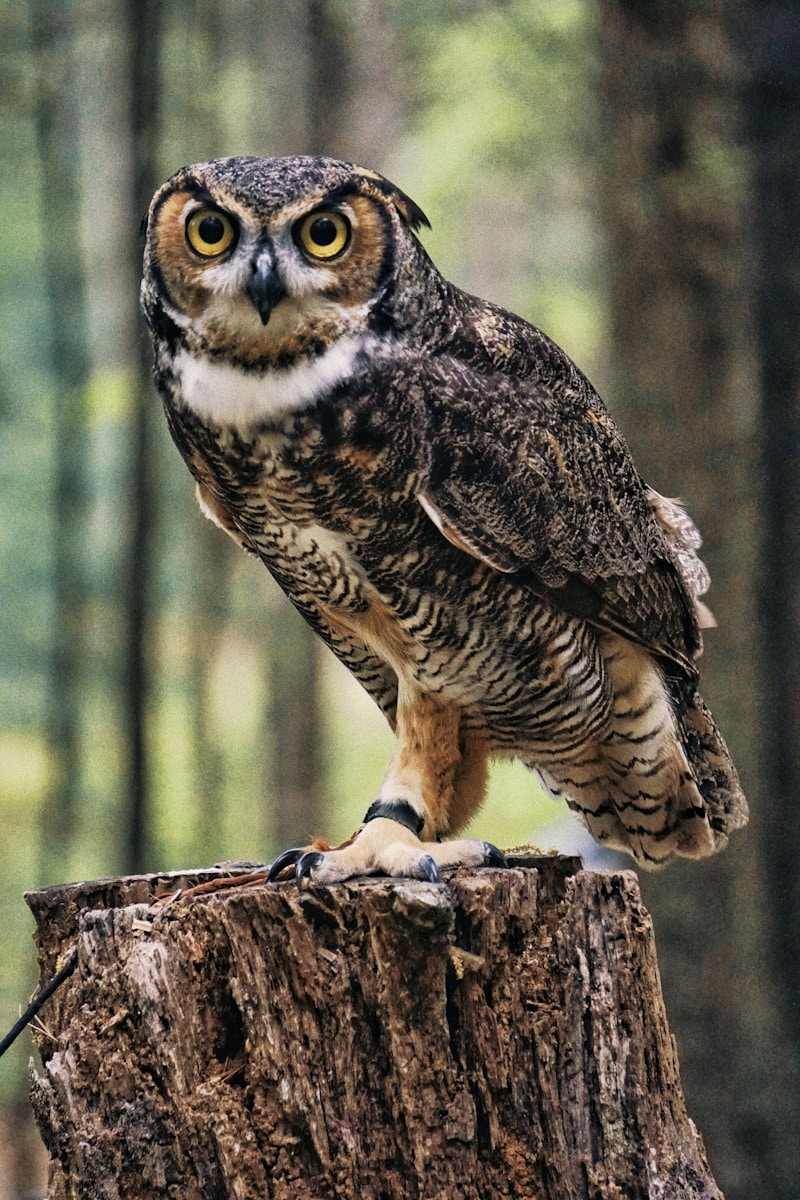
The Great Horned Owl gives you that deep “hoo-hoo-hoo-hoo” — the classic owl sound from every movie ever. Listen for a pattern of about five hoots with emphasis on the second and third. You hear that rhythm, you’ve got your ID.
The Barred Owl is the one asking “Who cooks for you? Who cooks for you-all?” I’m not kidding, that mnemonic is spot-on. These guys hang out near wooded swamps and river bottoms, and once you hear them, you’ll never unhear it.
The Eastern Screech-Owl throws a curveball — it produces a descending whinny that sounds like someone slowed down a horse’s neigh, plus a sustained tremolo on a single pitch. It’s eerie and beautiful at the same time.
The Barn Owl doesn’t hoot at all. Nope. Instead, it lets out this raspy screech that will genuinely make your hair stand up if you’re not expecting it. Not what most people picture when they think “owl.”
Coyote and Wolf Calls
Coyotes might be the most vocal wild canids out there. They’ve got howls, yips, barks, growls — sometimes all strung together in these wild sequences. A lone coyote’s howl usually starts low, climbs in pitch, then breaks into short sharp yips at the end. Here’s the cool part: when a group of coyotes goes off at the same time, the overlapping calls make it sound like there are way more animals than there actually are. Clever, right?
Wolves are a different vibe entirely. Deeper, longer howls with none of the yipping. A wolf howl is this sustained, resonant note that carries for miles. When a pack howls together, they harmonize rather than creating chaos — that’s a real distinguishing feature if you’re trying to tell them apart from coyotes in the field.
Other Nighttime Sounds Worth Knowing
Raccoons make chittering, growling, and purring sounds, especially in groups around food. Whip-poor-wills and nightjars repeat their namesake calls on loop all night long (it can actually be a lot). Frogs and toads create species-specific choruses — learning your local frog calls is honestly a whole hobby unto itself. And deer? They’re louder than you’d think. Alarmed deer let out surprisingly sharp snorts and stomps, and rutting bucks produce deep grunts that carry through the woods.
Animal Droppings and Scat Identification
Yeah, we’re talking about poop. I know it’s not the glamorous part of wildlife tracking, but if you skip scat analysis you’re leaving one of your best identification tools on the ground (literally). Every species drops distinctively shaped and sized droppings that tell you about diet, health, and how recently the animal was there. So swallow your pride and take a look — from a respectful distance, of course.
Carnivore Scat
Predator droppings typically have visible hair, bone fragments, and sometimes feathers mixed in. They tend to have a twisted, rope-like look and taper at one or both ends.
Bear scat is the chameleon of the scat world — it changes dramatically based on diet. Eating berries? Expect loose, purple or blue droppings. Eating meat? Darker and more tubular. Either way, bear scat is big — often over two inches in diameter. You won’t mistake it for something smaller.
Coyote and fox scat is smaller, usually half-inch to one inch across, and these guys love to leave it in conspicuous spots — on trails, on rocks, on stumps — as territorial markers. Fox scat in particular often contains berry seeds and insect parts mixed in with fur.
Mountain lion scat tends to be segmented and covered with debris because cats scratch leaves and dirt over their droppings. It’s bigger than coyote scat and packed mostly with fur and bone fragments.
Herbivore Droppings
Plant-eaters produce droppings that reflect all that fiber in their diet.
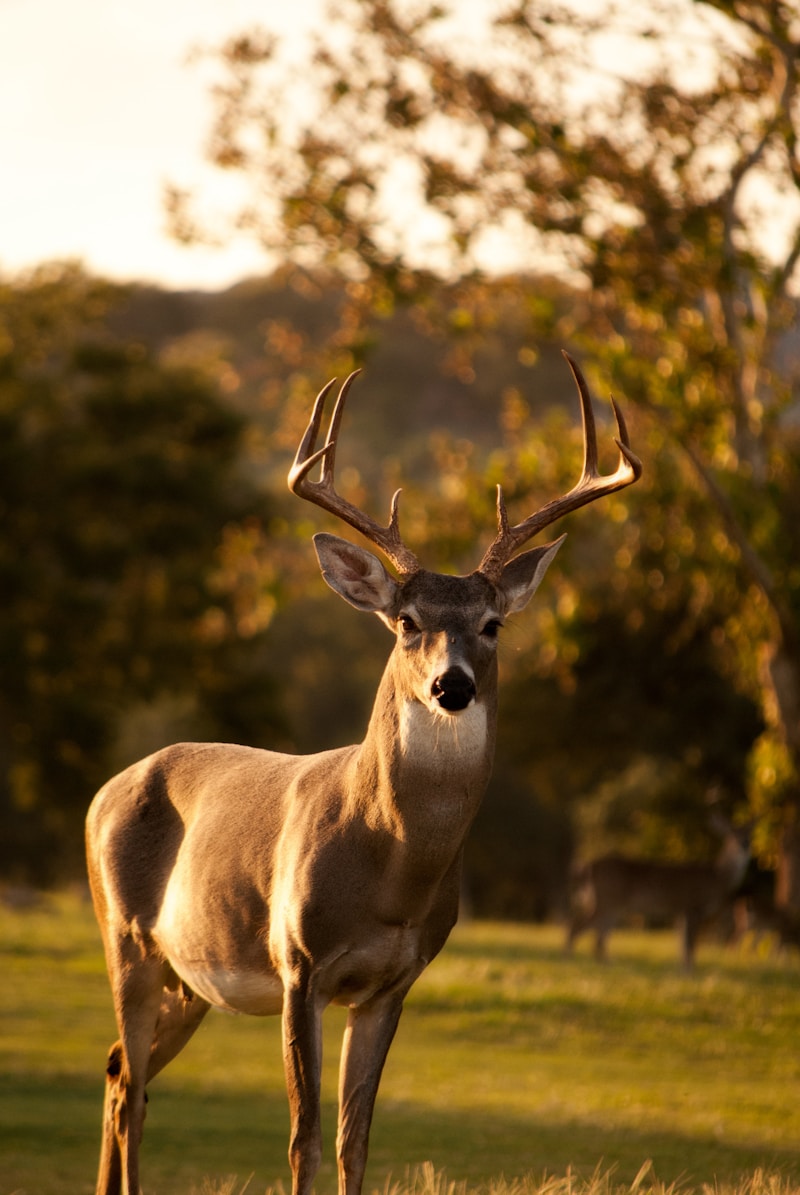
Deer pellets are small, oval-shaped, and show up in piles. Dark brown to black with a smooth, slightly shiny surface. Fun seasonal note: in summer when deer eat more succulent vegetation, the pellets can clump together into less distinct shapes.
Rabbit and hare droppings are round little pea-sized pellets scattered all over their territory. They’re typically lighter than deer pellets and more uniformly round.
Elk and moose droppings are essentially jumbo versions of deer pellets. Moose win the size contest — they produce the largest pellets of any North American ungulate.
Identifying Birds by Song and Feather
Birding combines watching and listening in a way that makes it one of the most accessible entry points into wildlife ID. You don’t need to trek into the backcountry — your backyard works fine. Ever wonder what’s making that racket at 5 AM? This section’s for you.
Learning Bird Songs
My advice: don’t try to learn everything at once. Start with the common singers in your area and build from there. The American Robin’s “cheerily, cheer-up, cheerio” is a great starting point. The Northern Cardinal’s “what-cheer, what-cheer” is another easy one. And the Black-capped Chickadee straight up says its own name — “chick-a-dee-dee-dee” — which honestly feels like cheating.
Mnemonics are your best friend here. We already talked about the Barred Owl’s “Who cooks for you?” The White-throated Sparrow sings “Old Sam Peabody, Peabody, Peabody.” The Eastern Towhee demands “Drink your tea!” Once you attach words to songs, they stick.
Also pay attention to the structure of what you’re hearing. Wood Thrushes sound like someone playing a flute in the forest. House Wrens deliver machine-gun warbles. Woodpeckers drum instead of sing, and each species has its own rate and pattern. There’s more variety out there than most people realize.
Feather Identification
Finding feathers on a trail is like picking up a little animal calling card. Here’s how to read them:
Flight feathers (primaries and secondaries) are asymmetrical — narrow leading edge, wider trailing edge. They come from the wings and are usually the biggest feathers you’ll find.
Tail feathers (retrices) are symmetrical and frequently show species-specific patterns or colors. Lots of birds have characteristic tail markings that make these pretty diagnostic.
Contour feathers cover the body and display the colors you see on living birds. Down feathers are the small, fluffy ones underneath that handle insulation.
Color patterns narrow things down fast. Blue Jay feathers have that unmistakable blue, white, and black banding. Cardinal feathers are blazing red. And owl feathers? They’ve got soft, fuzzy edges that enable silent flight — once you feel that texture, you’ll recognize owl feathers instantly going forward.
Identifying Snakes and Distinguishing Venomous from Non-Venomous Species
Look, I get that snakes make a lot of people nervous. But knowing how to ID them is genuinely useful — it helps you appreciate these misunderstood reptiles while also keeping you safe. And here’s some good news: in North America, there are only four groups of venomous snakes. That’s it. Four. Very manageable.
Venomous Snake Characteristics
Pit Vipers (Rattlesnakes, Copperheads, Cottonmouths) share a handful of identifying features. They’ve got triangular heads that are clearly wider than their necks. Their pupils are vertical and elliptical, like a cat’s. And they have heat-sensing pits between the eye and nostril on each side — that’s where the “pit viper” name comes from. Rattlesnakes add the bonus feature of a segmented rattle at the tail tip, which is about as obvious as warning signs get.
Coral Snakes break all the pit viper rules. Small heads, round pupils, no heat-sensing pits. For coral snakes, you’re looking at color banding — red and yellow bands touch each other on the real deal. You’ve probably heard the rhyme: “Red touches yellow, kill a fellow; red touches black, friend of Jack.” It’s corny but it works for distinguishing coral snakes from harmless mimics like scarlet kingsnakes.
Non-Venomous Snake Characteristics
The majority of snakes you’ll encounter are harmless. Round pupils, heads that aren’t obviously triangular, no pits, no rattles. That said, some non-venomous snakes are drama queens — they’ll flatten their heads when threatened to look like vipers. Don’t fall for it, but also don’t get close enough to test your theory. Best practice: observe from a safe distance and don’t handle any snake you can’t positively identify.
Common harmless snakes you should learn to recognize include garter snakes (lengthwise stripes are the giveaway), rat snakes (large constrictors you’ll often find near buildings), and water snakes (frequently confused with cottonmouths but missing all the pit viper features).
Using Field Guides and Identification Apps
Technology’s changed the game for wildlife ID, no question. But don’t count out the old-school field guide just yet. I use both, and there are good reasons for that.
Choosing and Using Field Guides
Get a guide specific to your region. Seriously. A book covering every bird in North America is overwhelming when you’re standing in a park in Ohio trying to figure out what just flew past. Regional guides trim the noise and show you species you’ll actually encounter.
Look for guides organized by visual features rather than taxonomy. A guide that groups “brown birds” together is way more useful in the field than one organized by bird family. On the illustration front, both photos and paintings have merits. Paintings often highlight field marks more clearly, while photos show the natural variation you’ll actually see.
And for the love of wildlife — bring the guide with you. A pristine book on your shelf at home does nothing when you spot something unusual on the trail. Get a compact edition with a water-resistant cover and beat it up.
Wildlife Identification Apps
Phone apps have genuinely transformed this hobby. Merlin Bird ID can identify bird songs in real time — it’s kind of wild the first time you use it. iNaturalist covers all wildlife and has a huge community backing it up. Seek is great for beginners who want a gentler entry point. Photo ID apps use AI to suggest species from your snapshots, and GPS-enabled apps show what’s been reported right where you’re standing.
But real talk: apps have blind spots. They need cell service or pre-downloaded data. Your battery will absolutely die on a long hike if you’re running audio recognition all day. And no app is 100% accurate. I always cross-reference app suggestions with my field guide and known range maps before calling something a confirmed ID. Treat apps as a great starting point, not the final word.
Practical Tips for Wildlife Watching and Identification
Knowledge alone won’t get you there. You need patience, preparation, and a willingness to be uncomfortable sometimes. Here’s what I’ve learned works.
Timing Your Observations
Dawn and dusk. That’s the magic window. Most mammals are crepuscular — meaning they’re most active during twilight. Birds sing their hearts out in the early morning. Reptiles start moving after they’ve warmed up in the sun. If you’re sleeping in and hitting the trail at noon, you’re missing the best show. I know early mornings aren’t for everyone, but trust me — the difference is dramatic.
Moving Through the Landscape
Slow down. Then slow down more. Stop frequently. Use every sense you’ve got — listen for alarm calls that tell you animals know you’re there, watch your peripheral vision for movement, and yes, even smell the air for musk or scat.
Wear clothes that blend in. Skip the cologne. And here’s one people forget: move into the wind when you can. That way your scent drifts behind you rather than announcing your arrival to everything ahead. Small things, but they add up.
Documenting Your Observations
Keep a field journal. Date, time, location, weather, species observed, behaviors noted. Photograph tracks, scat, and other signs whenever you can. I flip through my old journals regularly and I’m always amazed at how much my identification skills improved just from the act of writing things down and paying closer attention.
Consider getting into citizen science too. Platforms like eBird and iNaturalist let you contribute your observations to actual research databases. The community will also correct your IDs when you get them wrong, which — humbling as it is — makes you better faster.
Building Expertise Gradually
Don’t try to learn everything at once. Master the birds in your backyard before chasing warblers. Get confident telling deer from elk tracks before attempting to ID individual animals. This stuff builds on itself, and there’s no shortcut for repeated field observation.
One of the best investments you can make? Connect with local naturalist groups, tracking clubs, or birding societies. An experienced mentor can teach you more in one morning walk than you’d pick up in a month of solo outings. They’ll spot things you walk right past and explain the subtle cues that separate similar species.
Related Articles
If you want to keep building on what we covered here, check out these additional resources from International Wildlife Research:
- Animal Behavior and Communication – Understanding why animals act the way they do
- North American Mammals Field Guide – Comprehensive species profiles and identification tips
- Bird Migration Patterns and Seasonal Identification – When and where to find different species
- Reptile and Amphibian Identification – A closer look at cold-blooded wildlife
- Wildlife Photography Tips for Beginners – Documenting your wildlife encounters
- Habitat-Based Wildlife Identification – Using environment clues to predict species
This comprehensive guide was prepared by Dr. Sarah Chen, wildlife biologist and field researcher with over 15 years of experience in species identification and wildlife monitoring. The International Wildlife Research team is dedicated to making wildlife science accessible to naturalists of all skill levels.


Leave a Reply