Today, I will share it all with you.
Honestly, there’s nothing quite like the moment you look down at a trail and realize you can piece together what happened — a coyote trotted through here last night, paused at the creek, then bolted after something. It’s like reading a mystery novel written in dirt. Whether you’re a hunter, photographer, researcher, or just someone who likes knowing what’s wandering through your backyard at 3 AM, this stuff will change the way you experience the outdoors.
Track Anatomy and Terminology — The Basics You Actually Need

Before you start pointing at prints and guessing, you need to know what you’re looking at. Most mammal tracks have a handful of features that do the heavy lifting when it comes to ID.
The pad is the main cushioned chunk of the foot that hits the ground. Think of it as the palm, if we’re comparing to human hands. In canines and felines, it’s that big central heel pad. Toes show up as smaller oval or circular impressions clustered around the pad. Claw marks — these are huge for identification. Some species show them, some don’t. That difference alone can tell you a ton. And the interdigital pad? That’s the fancy name for the main heel pad in digitigrade animals, meaning critters that walk up on their toes like dogs and cats do.
For measurements, length runs from the back of the heel pad to the front of the longest toe. Width is the widest point across the track. Stride is the distance between successive prints from the same foot — so right front to right front, for example. And straddle measures the overall width of the trail from the outside edges of all the tracks. Carry a small ruler or even just know your hand measurements. Trust me, it makes a difference.
Canine Tracks — The Identification Challenge Everyone Faces First
Dogs, coyotes, wolves, and foxes all leave four-toed tracks with visible claw marks. But look closer and the differences jump out.
Domestic Dog Tracks
Dog tracks are all over the place — literally and figuratively. They vary wildly based on breed, but there are patterns that separate them from wild canines every time. Dog tracks tend to appear splayed, with toes spreading outward instead of pointing neatly forward. The overall shape is rounder and messier than what you’ll see from a wild cousin.
Here’s the real giveaway though: trail pattern. Dogs meander. They sniff something, circle back, wander off the trail to investigate a stick. Wild canines don’t waste energy like that. A domestic dog trail looks like a kid drew it; a coyote trail looks like it was drawn with a ruler. Oh, and dog tracks usually show up near human footprints, paths, and roads. Context matters more than most people think.
Coyote Tracks
Coyote tracks run about 2.5 inches long and 2 inches wide in adults. The shape is oval and compact, with toes pointing straight ahead or slightly inward. One thing I always look for — the two middle toes tend to sit closer together than the outer toes, sometimes nearly touching.
Here’s a trick that’s saved me from embarrassment more than once. Draw an imaginary X between the toes and heel pad. In a coyote track, that X typically won’t cross through the pad — there’s a clear gap. Claw marks are visible but thin and pointed, almost dainty compared to a dog’s. And coyotes travel with purpose. Their trails follow game paths, fence lines, and ridgetops. No meandering.

Wolf Tracks
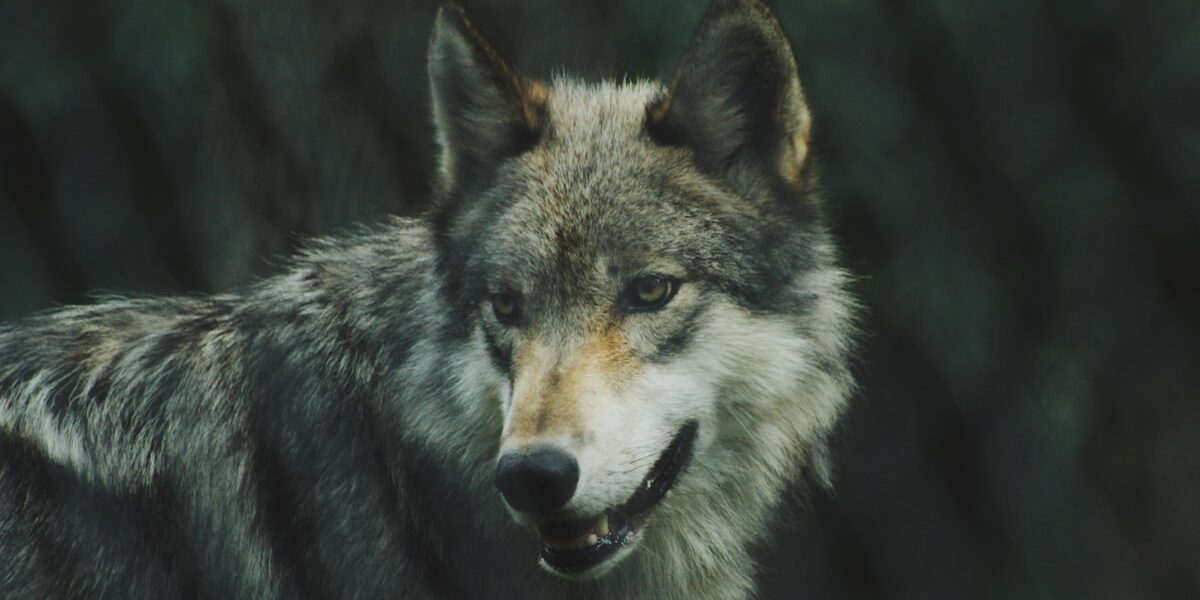
Gray wolf tracks are big. I mean, the first time you see one in person, it’s a little startling. We’re talking 4 to 5 inches long and 3.5 to 4.5 inches wide. Here’s an easy field test: put your hand over the track. A wolf track will extend past your palm. A coyote track fits comfortably inside it. Simple as that.
Shape-wise, wolf tracks share that oval, compact form with coyotes, and the X test works the same way. But the heel pad is proportionally larger and often shows a more defined three-lobed shape at the back edge. The biggest contextual clue? Wolves travel in packs. If you’re finding multiple large canine tracks moving together in a coordinated pattern, you’re almost certainly looking at wolves rather than someone’s oversized dog.
Fox Tracks
Red fox tracks are delicate little things — about 2 inches long and 1.5 inches wide. The track looks almost diamond-shaped because the heel pad is small and the toes angle to neat points. In really crisp prints, you can spot a chevron-shaped ridge running across the heel pad. That’s a red fox signature.
Gray fox tracks are similar in size but a touch rounder. Both species leave fine, sharp claw marks and walk in a nearly straight line. Foxes are masters of the direct register, where the rear foot lands almost exactly in the front foot’s print. It’s efficient and elegant. Kind of makes you jealous, honestly.
Feline Tracks — From Your House Cat to Mountain Lions
Cat tracks are actually easier to distinguish from canine tracks than most beginners expect. One feature separates them instantly: cats have retractable claws. That means their tracks almost never show claw marks. The shape is rounder than canines, and the heel pad has its own distinctive look.
Domestic Cat Tracks
House cat tracks measure about 1 to 1.5 inches in both directions, making an almost perfect circle. The heel pad shows two lobes at the front and three at the rear, forming what people describe as an M-shape. The toes are small, round, and — no claws.
Cat trails crack me up because they tell you everything about the animal’s personality. You’ll see a stalking pattern with careful, deliberate steps, then a sudden pause, a crouch, an abrupt direction change. They’re hunting something you can’t see. If you’re finding cat-sized tracks far from houses, start thinking about whether you might be looking at a bobcat instead.
Bobcat Tracks
Bobcat tracks measure 1.5 to 2.5 inches across — bigger than a house cat but maintaining that same round, compact shape. The heel pad is proportionally larger and shows that same M-shaped lobe pattern at the rear edge.
Now, here’s something that trips people up: bobcats occasionally do show claw marks. It happens when they’re on slippery surfaces or running hard. So don’t automatically rule out bobcat just because you see a claw tip. These cats love rocky, brushy terrain and often leave tracks along game trails and near water. Their stride runs longer than a house cat’s, typically 12 to 16 inches between steps.
Mountain Lion Tracks
Mountain lion tracks? You won’t question what you’re looking at. They measure 3 to 4.5 inches in both length and width — roughly the size of an adult human palm. The three-lobed rear edge of the heel pad is clearly defined in decent substrate. They’re impressive. And a little unnerving when they’re fresh.
The thing about mountain lions is that they’re ghosts. Their tracks are often the only proof they exist in an area. You’ll find them near deer trails, in canyons, and along ridgelines. Keep an eye out for a long tail drag mark in snow — mountain lions carry tails nearly three feet long, and they occasionally leave a line behind them.
Bear Tracks — The Exciting Ones
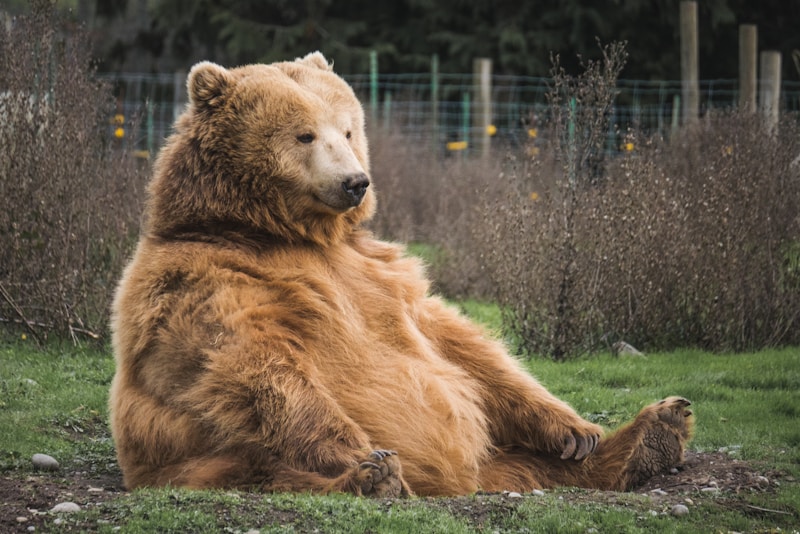
I’ll be honest, finding bear tracks still gets my heart going even after all these years. They’re among the easiest to identify at the family level — five toes, visible claw marks, and pad shapes you can’t confuse with much else. The real question is always: which bear?
Black Bear Tracks
Black bear front tracks measure 4 to 5 inches long and wide, showing five toes arranged in an arc above a trapezoidal heel pad. The toes cluster pretty close together, and claw marks sit relatively near the toe pads, usually within 1 to 1.5 inches. Short claws. That’s key.
The rear tracks are where things get interesting — 6 to 7 inches long and eerily human-like. The elongated heel pad and five toes create a print that makes you do a double take. Quick note: don’t get hung up on the name. Black bears can be brown, cinnamon, or blonde. If someone tells you they saw a “brown bear” in Virginia, they almost certainly saw a brown-colored black bear. Track size doesn’t lie; fur color does.
Grizzly Bear Tracks
Grizzly tracks are the big ones. Front tracks measure 5 to 6 inches wide, and here’s the critical difference: those claw marks extend 2 to 4 inches beyond the toes. Two to four inches. That’s not subtle. Black bear claws look like they just got a trim by comparison.
There’s a straight-line test that works beautifully here. Draw a line from the outer edge of the smallest toe to the outer edge of the largest toe. In grizzly tracks, this line passes through or above the top of the heel pad. In black bear tracks, it passes below. Grizzly rear tracks can exceed 12 inches long — bigger than a size 12 shoe. When you find one, you tend to become very aware of your surroundings very quickly.
Deer and Elk Tracks — Hoofprints 101
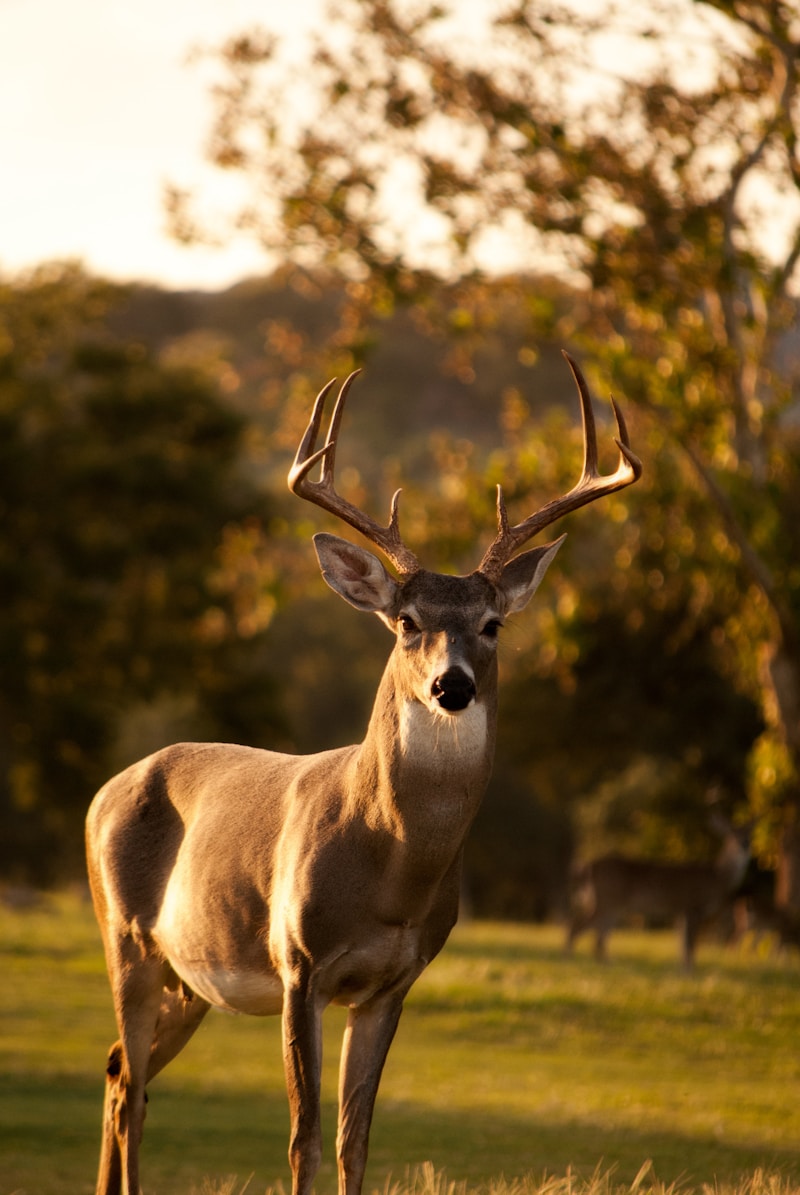
Ungulates leave a completely different kind of track. No pads, no toes in the traditional sense — just two elongated, curved halves that come to points at the front. Once you’ve seen hoofprints, you’ll never confuse them with predator tracks again.
White-tailed and Mule Deer Tracks
Deer tracks run 2 to 3.5 inches long and about 2 inches wide. The two halves of the hoof usually sit close together or touching, and the whole thing creates a heart-shaped impression. It’s actually kind of pretty. In soft ground or when a deer is running hard, you might see dewclaws register as two small dots behind the main track.
Here’s the thing nobody tells you: white-tailed and mule deer tracks look virtually identical. Size, shape, basically the same. Your best bet for telling them apart? Geography. If you’re east of the Rockies, it’s probably a white-tail. West of there, could be either. Mule deer tracks tend to be slightly blockier with less pointed tips, but I wouldn’t bet money on distinguishing them by tracks alone. Deer trails connect bedding areas to food and water — follow the pattern, not just individual prints.
Elk Tracks
Elk tracks are basically deer tracks that hit the gym. They measure 3.5 to 4.5 inches long, with hoof halves that are rounder at the tips compared to deer. The whole impression looks more robust and substantial. Bull elk tracks are noticeably larger than cow tracks.
Elk leave more than just tracks. Look for wallows — muddy depressions where bulls roll around during the rut like giant, antlered dogs. Tree rubs, heavily beaten trails, and elk pellets all help confirm what the tracks are telling you. You’ll find their prints at meadow edges, in aspen groves, and along stream corridors most frequently.
Raccoon and Opossum Tracks — The Neighborhood Weirdos
These two omnivores are absurdly common and leave tracks that are, once you know what to look for, pretty hard to mess up.
Raccoon Tracks
Raccoon tracks look like tiny human hands. I’m not exaggerating. Five long, dexterous toes on both front and rear feet, with a palm pad and clearly separated fingers. Front tracks measure about 2 to 3 inches long and genuinely resemble a small child’s handprint. Rear tracks are longer, 3 to 4 inches, with an elongated heel that makes them look more foot-like.
Raccoons are plantigrade — they walk flat-footed, so the entire foot registers in the track. Their trails predictably lead to and from water, since they’re obsessed with hunting crayfish, frogs, and whatever else they can grab. Finding these tracks near your garbage cans, pet food bowls, or bird feeders? Yeah, you’ve got a raccoon resident. Welcome to the club.
Opossum Tracks
Opossum tracks also show five toes, but the rear track has a feature that’s unique among North American mammals. That opposable thumb on the rear foot sticks out at nearly a 90-degree angle. Once you see it, you can’t unsee it. There’s nothing else that looks like that.
Front tracks are about 2 inches with five spreading toes and visible claw marks. The rear tracks are a bit larger with that unmistakable thumb making positive ID basically foolproof. Also keep an eye out for a tail drag mark — opossums have long, hairless tails that frequently drag along the ground. Between the thumb and the tail line, you’ll never second-guess an opossum track.
Small Mammal Tracks — It’s All About the Pattern
With rabbits, squirrels, and other small mammals, individual print details are often too small or too blurred to rely on. Instead, the track pattern — how the prints are arranged relative to each other — becomes your primary tool.
Rabbit and Hare Tracks
Rabbit tracks create a distinctive Y-shaped or triangular pattern that’s immediately recognizable once someone points it out to you. The two large rear feet land ahead of each other and parallel, while the two smaller front feet land in a line between and behind them. It looks backward from what you’d expect, but that’s how hopping works.
Cottontail rabbits leave rear foot prints about 3 to 4 inches long, with front feet around 1 inch. Jackrabbits (which are actually hares) can leave rear prints exceeding 5 inches. One thing to watch for: the fur on rabbit feet tends to blur individual toe impressions, so you’ll often see oval outlines rather than clear digits. Don’t let that throw you off — the pattern tells the story.
Squirrel Tracks
Squirrel tracks use a bounding pattern that’s similar to rabbits at first glance, but the grouping is different. The larger rear feet land beside or slightly behind the front feet rather than well ahead of them. Front tracks show four toes; rears show five.
Gray squirrel rear tracks measure about 2.5 inches. Red squirrel tracks are smaller. The best clue for squirrels is context: their trails almost always run from tree to tree, often with pauses at the base of each trunk. If you’re finding squirrel-like tracks far from any trees, you’re probably looking at a ground squirrel or chipmunk instead.
Reading Track Patterns and Gaits — Where It All Comes Together
Individual tracks are puzzle pieces. Track patterns are the completed puzzle. Honestly, this is where tracking gets really fun because you stop just identifying species and start understanding behavior.
Walking Gaits
Most mammals use a few standard walking patterns. In a direct register walk, the rear foot lands exactly in the front foot’s print, which makes it look like a single line of evenly spaced tracks. Cats and foxes do this almost exclusively. It’s energy-efficient and quiet.
An indirect register walk means the rear foot lands slightly offset from where the front foot was, creating a double line of prints. Dogs, bears, raccoons — they all walk this way. It’s less sneaky but gets the job done.
Trotting Patterns
When animals pick up the pace to a trot, the tracks spread out and may show a diagonal pattern. Canines trot a lot — it’s their default travel speed. You’ll see evenly spaced tracks with rear feet landing ahead of front feet on the same side. The spacing between prints tells you how fast they were moving.
Bounding and Galloping
High-speed gaits produce grouped track clusters with gaps between them. Rabbits, squirrels, and weasels bound as their primary mode of locomotion, leaving tight bunches of tracks with long stretches of nothing in between. The way tracks arrange within each cluster tells you both species and direction of travel. Once you crack the code on bounding patterns, you’ll start seeing them everywhere.
How Surface Conditions Change Everything
This is something that threw me for a long time early on. The same animal leaves wildly different-looking tracks depending on what it’s walking through. You’ve got to calibrate your expectations to the substrate, or you’ll misidentify things all day.
Mud Tracks
Wet mud is the tracker’s best friend — and occasional enemy. You get excellent detail: toe pads, claw marks, heel pad features, the works. But mud tracks almost always appear larger than the actual foot because the substrate squishes outward under pressure. Tracks in drying mud crack and warp. The sweet spot is clay-rich soil with moderate moisture. Find that, and you’ve found tracking gold.
Snow Tracks
Snow is incredibly variable. Fresh powder at the right temperature gives you magazine-quality impressions. Old, crusty snow? You might get rough outlines at best. Deep snow forces animals into bounding or wading, which throws off normal gait patterns entirely. And here’s the kicker: sun exposure and melt can double the apparent size of tracks within hours. That “wolf” track might actually be a twelve-hour-old coyote track that’s been melting all morning.
Sand Tracks
Dry sand collapses into tracks almost immediately, making measurements unreliable and details nonexistent. Damp sand near water is better but usually only preserves general outlines. Beach sand quality varies wildly based on grain size and moisture. I’ve found excellent tracks on hard-packed tidal sand and absolute garbage prints twenty feet away in dry loose stuff. It’s a crapshoot.
Dust and Dry Soil
Fine dust can actually capture incredible detail — sometimes better than mud. The problem is wind. A good set of tracks in dust can vanish in minutes on a breezy day. Hard-packed trails usually only show partial prints where the most pressure was applied. But after a rain, those formerly rock-hard surfaces soften up into excellent tracking substrate for a few days. Some of my best finds have come the morning after a rain.
Building Your Skills — The Honest Truth
I’m not going to pretend you’ll read this article and walk outside as a master tracker. It doesn’t work like that. Getting good at track identification takes time in the field. Lots of it. Start with the common species in your specific area rather than trying to memorize tracks for animals you’ll never encounter. Carry a small ruler — even a credit card works for quick reference since they’re 3.375 inches long. Photograph every track you find with something for scale.
Regional field guides beat national ones every time. There are some solid smartphone apps out there now with photo databases and measurement tools, and they’re worth having in your pocket. But no app replaces actual field time. You need to see tracks in different substrates, different weather, different lighting. You need to get things wrong and figure out why.
If there’s a local naturalist group or tracking course near you, join it. Experienced trackers carry decades of knowledge that books simply can’t convey — the way a track looks in the particular soil of your area, which trails animals actually use, seasonal pattern changes. Wildlife refuges and nature centers frequently offer tracking walks, especially after snowfall. Take advantage of those.
Every single track you find adds to your mental database. Over time, identification stops being a conscious process and becomes intuitive. You’ll start reading animal stories written across the landscape in footprints and trails and signs that most people walk right past. And that’s pretty much the best feeling in the world.



Leave a Reply