Today, I will share it all with you.
Honestly? I didn’t think I’d become “a birder.” I thought birding was something retired professors did on Saturday mornings. Turns out I was wrong — spectacularly wrong. It’s one of those hobbies that sneaks up on you. One minute you’re watching a robin pull a worm from your lawn, the next you’re driving three hours to see a rare warbler someone posted about on eBird. But I’m getting ahead of myself.
Why People Fall in Love with Birding (Myself Included)
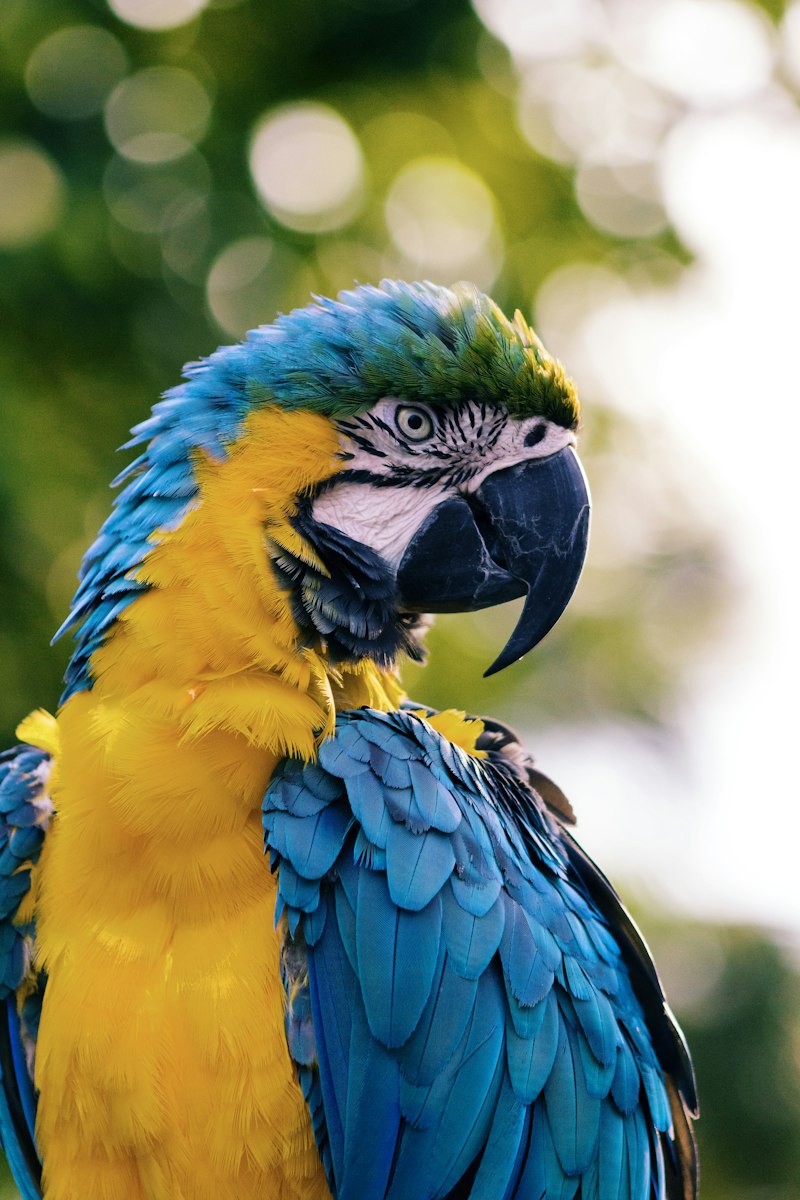
So why do people get so hooked on watching birds? It’s not just about seeing pretty colors — though, yeah, the first time a male Painted Bunting lands near you, you’ll understand. The real draw goes deeper than that.
There’s actual science behind this. Studies have found that spending time watching birds can reduce stress, lower blood pressure, and genuinely improve your mental health. I can vouch for that personally. After a rough day at work, sitting on my back porch with a cup of coffee and watching chickadees do their acrobatic thing at the feeder? It resets something in my brain. Can’t explain it. Don’t need to.
You don’t need a gym membership. You don’t need to travel. You can literally start from your kitchen window. And it scales. If you want to keep it casual, great. If you want to go full obsessive and chase rare sightings across the continent, you can do that too.
The birding community is also genuinely welcoming. I’ve met folks at local bird walks who’ve been doing this for 40 years, and they’re thrilled to help a newbie figure out the difference between a House Finch and a Purple Finch. There’s no gatekeeping. From backyard watchers to globe-trotting listers who’ve seen 5,000+ species, everyone starts somewhere.
Your First Birding Outing (Keep It Simple)
Here’s the thing most beginner guides overcomplicate: you don’t need expensive gear or a certification course to start birding. You need your eyes, some patience, and maybe a comfy chair.
Sit in your backyard, a local park, or even near a window. Just… watch. That’s it. Pay attention to what’s happening. Notice how that one bird is bigger than the others. See how some hop and some walk? That stuff matters later when you’re trying to ID birds, but right now, just soak it in.
I’d recommend keeping a little notebook. Yeah, it feels old-school, but jotting down what you see — the date, the weather, a quick description — trains your eye in ways you don’t expect. My first entries were hilarious. “Small brown bird, kinda round, won’t stop yelling.” Turned out to be a Carolina Wren. They do yell a lot. Even rough little sketches help because they force you to really look at the bird instead of just glancing.
One piece of advice I wish someone had given me earlier: start with your common birds. Don’t go chasing rare species right out of the gate. Learn your sparrows, your robins, your cardinals, your blue jays. It sounds boring, but these birds teach you the fundamentals. Once you can confidently ID a Song Sparrow, telling it apart from a Lincoln’s Sparrow or a Fox Sparrow becomes a fun puzzle instead of an impossible task.
Gear You’ll Actually Need (And Gear You Won’t)
Let me be straight with you: the birding gear industry wants you to think you need a thousand-dollar setup to start. You don’t. But a few key items genuinely make a difference.
Binoculars — This Is Where You Invest
If you buy one thing, make it a decent pair of binoculars. Not the cheapest pair at the gas station, but you don’t need to remortgage your house either. For beginners, I always recommend 8×42 binoculars. That first number — the 8 — is your magnification. The second number — 42 — is the objective lens diameter in millimeters, which determines how much light gets in. Bigger lens, brighter image, especially in dawn or dusk conditions when a lot of birds are active.
When you’re shopping, think about weight (you’ll be holding these up to your face a lot), field of view (wider is better for finding birds), close focus distance (useful for butterflies too, just saying), and eye relief if you wear glasses. My biggest tip? Go to an outdoor retailer and actually try them. Hold them. Look through them. Binoculars are weirdly personal.
Brands like Nikon, Vortex, and Celestron make solid mid-range options that’ll last you years. I’ve been using the same pair of Vortex Diamondbacks for six years and they’ve survived drops, rain, and one unfortunate incident involving a canoe. Still work great.
Field Guides — Your Bird Bible
You’ll want a field guide, and here’s where birders get surprisingly opinionated. The Sibley Guide to Birds is probably the gold standard — David Sibley’s illustrations are incredible and really nail the diagnostic features. The National Geographic Field Guide to the Birds of North America and the Peterson Field Guide series are also excellent choices.
Here’s a tip: get a regional guide, not a continental one, at least to start. If you’re birding in the eastern US, you don’t need 200 pages of western specialties confusing you. Keep it focused.
There’s a whole debate about illustrated guides versus photographic ones. Illustrations tend to show key features more clearly because the artist can highlight exactly what to look for. Photos are more “realistic,” sure, but a bird in a photo might be in weird lighting or a bad angle. That said, some beginners find photos more intuitive, so flip through both at a bookstore and see what clicks for you.
Apps That Actually Help
OK, this is where modern birding gets really cool. The Merlin Bird ID app from Cornell Lab of Ornithology is basically magic. You can point your phone at a bird, snap a photo, and it’ll tell you what species it likely is based on your location and the time of year. Even wilder — it can identify birds by their songs. I’ve had it running on my phone during morning walks and it just… lists every bird singing around me in real time. It’s wild.
Then there’s eBird, also from Cornell. Think of it as a birding journal that doubles as citizen science. Every sighting you log helps researchers track bird populations and migration patterns. It’ll also show you nearby birding hotspots and recent sightings in your area, which is incredibly useful when you’re looking for something specific. I check eBird almost every morning with my coffee. It’s become a habit.
How to Actually Identify Birds (Without Losing Your Mind)
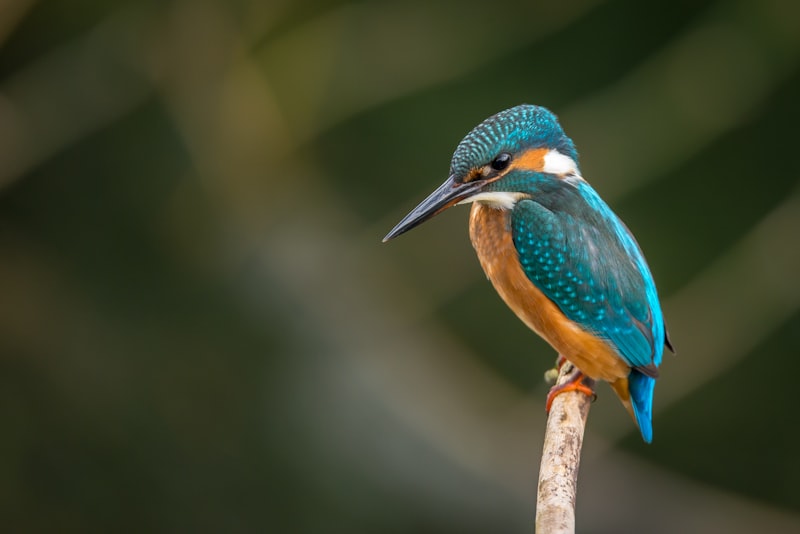
Bird identification intimidated me at first. There are over 900 species in North America. How do you even start? The good news: experienced birders use a system, and once you learn it, things click pretty fast. It’s called GISS — General Impression of Size and Shape. Fancy acronym, simple concept.
Size and Shape First, Colors Second
This was counterintuitive for me. I thought birding was all about colors. “It’s red — must be a cardinal!” Well, sometimes. But what really matters first is the bird’s overall shape and size. Is it sparrow-small, robin-medium, or crow-large? What’s the bill look like — thick and stubby like a seed-cracker, or thin and pointy like an insect-picker?
Check out the tail. Long? Short? Forked? What about the legs — are they long wader legs or short perching legs? How does the bird hold itself? These structural details narrow your options down to a family or group before you even think about color. A bird with a fat bill, chunky body, and short tail? Probably some kind of finch or sparrow. Long tail, sleek body, thin bill? Could be a mockingbird or thrasher.
Field Marks — The Details That Clinch It
Once you’ve got size and shape sorted, now you look at colors and patterns. Birders call these “field marks,” and they’re the specific features that separate similar species. Wing bars, eye rings, breast streaking, crown stripes, rump patches — all of it matters.
I trained myself to scan birds from head to tail, almost like a checklist. Face pattern first: any eyebrow stripe? Eye ring? Mask? Then the breast: spotted, streaked, or clean? Wings: any bars or patches? Tail: any color on the outer feathers? It sounds like a lot, but after a few weeks it becomes automatic. You start noticing field marks without even trying, which is honestly kind of cool. And maybe a little nerdy. I’ve accepted that.
Watch What They Do and Where They Are
Here’s something that took me embarrassingly long to figure out: behavior is just as useful as appearance for identification. Woodpeckers hitch up tree trunks. Nuthatches walk down them headfirst — which, if you think about it, is kind of insane. Brown Creepers spiral around trunks. Flycatchers sit on exposed perches, dart out to grab a bug mid-air, then fly right back to the same spot. Sparrows hop on the ground. Pipits walk.
Habitat matters too. Small brown bird in a marsh? Probably a wren or a rail, not a forest bird that wandered in. Big dark bird soaring over water? Think osprey or eagle before you think woodland hawk. Context is your friend. Where you see the bird tells you a lot about what the bird might be.
Backyard Birds You Should Learn First
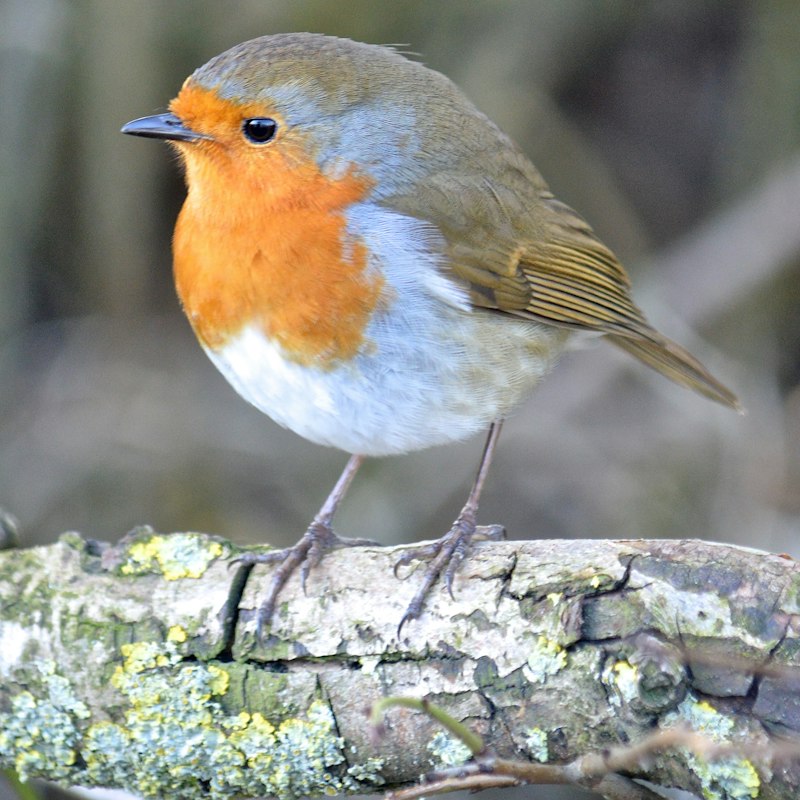
I’m a big believer in starting with what’s right outside your door. These common species are everywhere, they’re relatively easy to identify, and you can watch them over and over until you really know them. That repetition is how you build your identification muscle.
Birds You’ll See Year-Round
The Northern Cardinal is probably the bird that got most of us into this hobby. Males are that unmistakable brilliant red with a black face and pointy crest. Females are more subtle — warm brown with red highlights on the wings and tail — but equally beautiful, honestly. Their song is a loud, clear whistle that carries across the whole neighborhood. Once you learn it, you’ll hear cardinals everywhere.
Blue Jays are the loud, opinionated friends of the bird world. Gorgeous blue, white, and black plumage, and a personality to match. They’ve got a harsh “jay-jay” alarm call that other birds actually use as a warning signal, plus a softer musical call that sounds like “toolool-toolool.” Fun fact: they cache acorns and seeds for later, and they’re smart enough to remember where they buried thousands of them.
Black-capped Chickadees are tiny, fearless, and endlessly entertaining. Black cap, black bib, white cheeks — they look like they’re wearing a tuxedo. Their “chick-a-dee-dee-dee” call literally gave them their name. They’re acrobatic feeders, hanging upside down from branches like it’s nothing. In winter, they often lead mixed flocks of small birds through the woods, and other species follow them because chickadees are great at finding food and spotting predators.
American Robins — you definitely know this one. Orange-red breast, dark gray back, that cheerful morning song. But have you ever really watched one hunt? They run across the lawn, stop dead, cock their head to one side, and then — yank — out comes an earthworm. They’re actually listening for the worm moving underground. How cool is that?
Seasonal Visitors to Watch For
Ruby-throated Hummingbirds show up in eastern North America from spring through fall, and they never fail to blow my mind. Their wings beat up to 80 times per second. Per second! Males have this brilliant red throat — called a gorget — that flashes like fire when the light hits it just right. Put out a hummingbird feeder with sugar water (four parts water, one part sugar, no dye needed) and they’ll come to you.
Dark-eyed Juncos are my favorite winter bird. They’re slate-gray or brown depending on the subspecies, and when they fly, they flash these bright white outer tail feathers that make them easy to spot. They tend to show up in flocks at feeders and on the ground underneath them, scratching around for fallen seeds. I always know winter’s truly arrived when the juncos appear.
Where to Go Birding (Beyond Your Backyard)
Your backyard is great — seriously, don’t underestimate it. But eventually you’re gonna want to explore. Different habitats mean different birds, and some places in North America have earned near-mythical status among birders for good reason.
Coastal Spots That’ll Blow Your Mind
Point Pelee National Park in Ontario sits at the southernmost tip of mainland Canada, and during spring migration, it’s absolutely electric. Exhausted songbirds — warblers, vireos, thrushes — cross Lake Erie and pile into the park’s forests to rest and refuel. On a good fallout day, you might see 25 or 30 species of warblers in a single morning. I haven’t made it there yet, but it’s at the very top of my bucket list.
Cape May, New Jersey, is the autumn counterpart to Pelee. The geography funnels southbound migrants along the Atlantic coast, concentrating hawks, songbirds, and shorebirds in incredible numbers. September and October are prime time. If you’ve ever wanted to see a Peregrine Falcon stoop at 200 miles per hour, Cape May in October is your best bet.
Inland Destinations Worth the Trip
The Rio Grande Valley in South Texas is basically a cheat code for your life list. It’s home to species you literally can’t find anywhere else in the United States — Green Jays (which look like they were designed by a committee of five-year-olds with crayons, in the best way), Plain Chachalacas, Great Kiskadees, and more. Several wildlife refuges and state parks give you access to these specialty birds alongside masses of wintering waterfowl.
Southeastern Arizona is another birding mecca, especially if you’re into hummingbirds. The “sky island” mountain ranges host Mexican species at their northern limits, plus unique desert specialties you won’t see elsewhere. Madera Canyon, the Chiricahua Mountains, and the San Pedro River area are world-class. I spent a week in Madera Canyon two summers ago and saw 14 species of hummingbirds. Fourteen! I still can’t believe it.
What’s the Deal with Bird Migration?
Migration is, hands down, one of the most awe-inspiring things in nature. We’re talking billions — billions — of birds traveling thousands of miles between their breeding grounds and their wintering areas. Every single year. Some of these birds weigh less than a nickel and they’re crossing the Gulf of Mexico in one nonstop flight. When you understand migration patterns, you can predict what birds will show up in your area and when. It turns birding into a year-round treasure hunt, and honestly, that anticipation is half the fun.
Spring migration, roughly March through May depending on where you live, brings waves of colorful warblers, tanagers, orioles, and other neotropical migrants back north. Fall migration, August through November, sends them south again — often in even bigger numbers because the adults are joined by all the young birds born that summer. And then winter has its own cast of characters: juncos, sparrows, waterfowl, raptors. There’s always something to look for. Always.
If you take one thing away from this whole article, let it be this: birding isn’t about having perfect gear or knowing every species on sight. It’s about slowing down, looking up, and paying attention to the world around you. The birds have always been there. You just haven’t noticed them yet. Once you do, trust me — you won’t be able to stop.


Leave a Reply