Today, I will share it all with you.
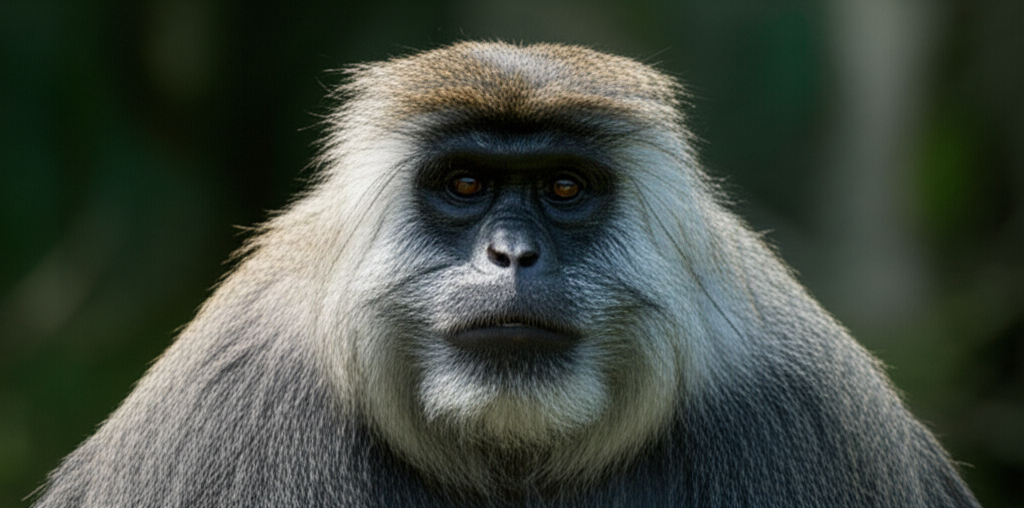
Primates represent one of the most fascinating and diverse groups of mammals on Earth. From the mighty silverback gorillas of Central Africa to the tiny pygmy marmosets of South America, these intelligent creatures share a common ancestry with humans and exhibit remarkable cognitive abilities, complex social structures, and diverse adaptations to their environments.
This comprehensive guide explores the extraordinary world of primates, examining the major groups, their unique characteristics, and the conservation challenges they face in the modern world.
Understanding Primate Diversity
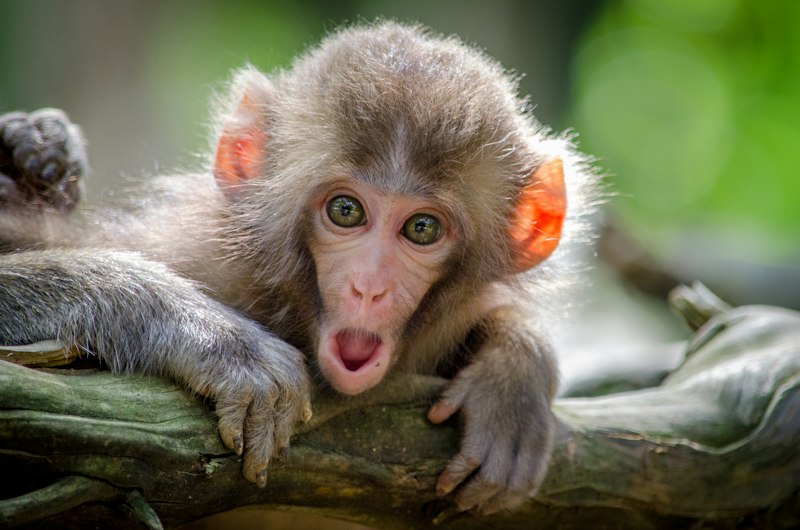
The order Primates contains approximately 500 species distributed across Africa, Asia, Central and South America, and Madagascar. These species range from nocturnal mouse lemurs weighing just 30 grams to massive male gorillas exceeding 200 kilograms. Despite this incredible diversity, all primates share certain characteristics that define the group.
Key primate features include forward-facing eyes that provide binocular vision and depth perception, grasping hands with opposable thumbs, relatively large brains compared to body size, and complex social behaviors. Most primates also have flat nails instead of claws, and many species display remarkable flexibility in their limbs and joints.
Scientists divide living primates into two main groups. The strepsirrhines, or “wet-nosed” primates, include lemurs, lorises, and galagos. The haplorhines, or “dry-nosed” primates, encompass tarsiers, monkeys, apes, and humans. This classification reflects millions of years of evolutionary history and distinct adaptations to different ecological niches.
Great Apes and Their Remarkable Lives
This family includes gorillas, chimpanzees, bonobos, and orangutans, each exhibiting extraordinary intelligence and complex social behaviors that continue to captivate researchers and wildlife enthusiasts alike.
Gorillas of Africa
Gorillas are the largest living primates, with males of the eastern gorilla species reaching weights of up to 220 kilograms. Two species exist, the western gorilla and the eastern gorilla, each with distinct subspecies adapted to their specific habitats in the tropical forests of Central and East Africa.
Mountain gorillas, a subspecies of the eastern gorilla, live in the high-altitude forests of the Virunga Mountains and Uganda’s Bwindi Impenetrable Forest. These remarkable animals have adapted to cool temperatures and feed primarily on leaves, stems, and bark. Their populations have increased from around 620 individuals in 1989 to over 1,000 today, representing one of conservation’s greatest success stories.
Western lowland gorillas inhabit the dense rainforests of countries including Gabon, Cameroon, and the Republic of Congo. Despite being more numerous than their eastern cousins, they face severe threats from habitat loss, disease, and illegal hunting. These gorillas live in family groups led by a dominant silverback male who protects and guides his family through their forest home.
Chimpanzees and Their Cultural Traditions

Chimpanzees share approximately 98.8 percent of their DNA with humans, making them our closest living relatives alongside bonobos. Found across equatorial Africa from Senegal to Tanzania, these intelligent apes demonstrate remarkable problem-solving abilities, emotional complexity, and cultural traditions that vary between populations.
Research spanning decades has revealed that chimpanzee communities develop unique behavioral traditions passed from generation to generation. Some populations use stone tools to crack nuts, while others fish for termites using carefully selected and modified sticks. These cultural differences parallel the diverse traditions found in human societies around the world.
Orangutans – The Red Apes of Asia
Orangutans are the only great apes found outside Africa, inhabiting the rainforests of Borneo and Sumatra. Three species are currently recognized: the Bornean orangutan, the Sumatran orangutan, and the recently described Tapanuli orangutan. These solitary forest dwellers spend most of their lives in trees, building fresh sleeping nests each night and traveling through the canopy in search of fruit.
Male orangutans develop distinctive cheek pads called flanges and produce long calls that can be heard over a kilometer away. Females give birth approximately once every eight years, the longest birth interval of any land mammal, dedicating years to teaching their offspring the complex skills needed for forest survival.
Old World Monkeys – From Savannas to Mountains
Old World monkeys represent a diverse group found throughout Africa and Asia. Unlike apes, these primates typically have tails, though the appendages are not prehensile. This family includes familiar species like baboons, macaques, colobus monkeys, and langurs.
Baboons are among the most adaptable primates, thriving in habitats ranging from tropical forests to semi-arid savannas. Hamadryas baboons of northeastern Africa form complex multilevel societies, while olive baboons in East Africa live in large troops that may exceed 100 individuals. Their terrestrial lifestyle and omnivorous diet have allowed baboons to colonize environments unsuitable for most other primates.
Macaques demonstrate perhaps the greatest geographic range of any primate genus besides humans. Japanese macaques endure snowy winters in northern Japan, often bathing in hot springs to stay warm. Rhesus macaques thrive in human-modified landscapes across South Asia, while long-tailed macaques inhabit coastal mangrove forests throughout Southeast Asia.
New World Monkeys – Americas’ Arboreal Acrobats
New World monkeys evolved independently in the Americas for over 40 million years, developing unique characteristics that distinguish them from their Old World relatives. Many species possess prehensile tails that function as a fifth limb, allowing extraordinary agility in the forest canopy.
Spider monkeys rank among the most acrobatic primates, using their strong tails and elongated limbs to brachiate through the treetops. Howler monkeys produce the loudest calls of any land animal, their roars audible up to five kilometers away. Capuchins demonstrate remarkable tool use and problem-solving abilities, rivaling great apes in some cognitive tests.
Conservation Challenges and Hope
Approximately 60 percent of primate species currently face extinction threats, primarily from habitat destruction, hunting, and the illegal pet trade. Forest clearing for agriculture, logging, and development continues to fragment primate habitats across tropical regions.
However, conservation efforts have achieved notable successes. Mountain gorilla populations have rebounded through dedicated protection programs. Golden lion tamarins, once reduced to fewer than 200 individuals, now number over 3,700 thanks to captive breeding and habitat restoration. These victories demonstrate that with sustained commitment and resources, primate conservation can succeed.
Understanding and appreciating primate diversity is the first step toward ensuring these remarkable animals survive for future generations. Whether supporting conservation organizations, advocating for forest protection, or simply sharing knowledge about our closest relatives, everyone can contribute to primate conservation.




Leave a Reply