Today, I will share it all with you.
This article includes affiliate links. We may earn a commission at no extra cost to you.
Here’s the thing nobody tells you when you start paying attention to your yard: it’s a zoo out there. Literally. Once you tune in, you can’t unsee it. The cardinals screaming at 5 AM. The raccoon who figured out your “raccoon-proof” trash can in about four seconds flat. The fox trotting through like it owns the place. Your yard is their neighborhood too, and honestly? They were here first.
I want to walk you through the animals you’re most likely sharing space with, what they’re actually up to, and how to live alongside them without losing your mind or your garden.
The Diverse World of Backyard Birds
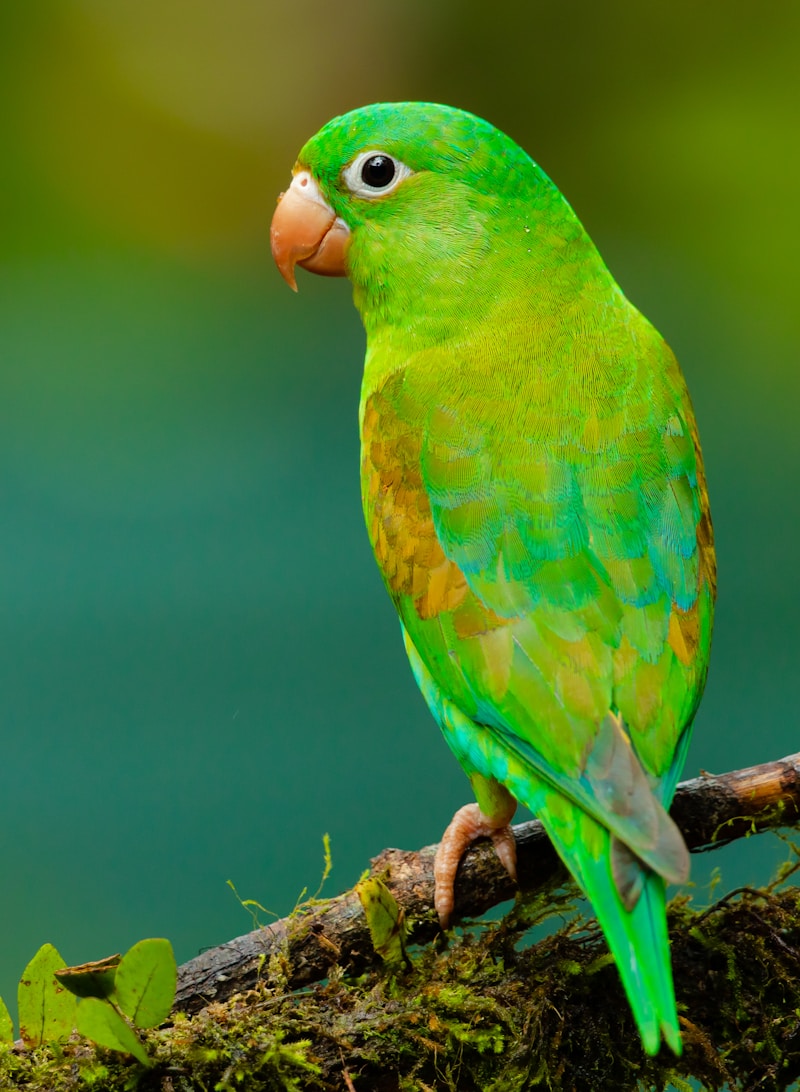
Birds are the gateway drug. I’m serious. You put up one feeder, and suddenly you own binoculars and a field guide and you’re arguing with strangers on the internet about whether that was a Cooper’s hawk or a sharp-shinned hawk. They’re the most visible wildlife in most yards, and their presence (or absence) tells you a lot about the health of your local ecosystem.
Cardinals are probably the bird that hooks most people. That red is ridiculous — you can spot a male cardinal from half a block away. They don’t migrate, so they’re out there year-round, even in snow, which makes them feel like permanent neighbors. The males get super territorial during breeding season. I’ve watched one spend an entire afternoon fighting his own reflection in my kitchen window. Just going at it over and over. Their whistling song starts before dawn, and once you recognize it, you’ll hear it everywhere.
Blue jays are the loud, opinionated neighbors of the bird world. Gorgeous? Absolutely. Also kind of jerks sometimes? Also yes. But these corvids are wicked smart. They cache thousands of acorns and seeds all over the place for winter, and they actually remember where most of them are. The ones they forget end up growing into oak trees, so blue jays are basically accidental reforesters. I find that fascinating.
American robins get all the spring credit, but tons of them actually stick around through winter now. You’ve seen them on your lawn doing that head-cock thing, right? Most people think they’re listening for worms. Nope. They’re looking. Their eyesight is sharp enough to detect tiny soil movements that give away earthworms below the surface. I believed the hearing myth for years before learning that.
And then there are hummingbirds. Wings beating up to 80 times per second. Hovering in place like tiny helicopters. Ruby-throated hummingbirds dominate the eastern half of the country, while folks out west get Anna’s and rufous hummingbirds, among others. What blows my mind is their memory — they come back to the same feeders year after year and can recall which flowers they’ve already drained. These little birds weigh less than a nickel, and they migrate across the Gulf of Mexico.
Squirrels and Chipmunks in Your Yard
Oh, squirrels. You either love them or you’ve spent $200 on a “squirrel-proof” feeder only to watch a gray squirrel defeat it in under ten minutes. There really is no in-between.
Eastern gray squirrels own suburban America. They’ve figured us out completely. Power lines are highways. Bird feeders are buffets. Your attic is a potential condo. And their spatial memory? Genuinely impressive. They bury thousands of nuts and can relocate them months later. Scientists have tested this extensively, and the results are honestly humbling for those of us who can’t find our car keys.
Fox squirrels are the gray squirrel’s bigger, chiller cousin. Reddish-brown, noticeably larger, and generally more relaxed around people. They prefer neighborhoods with big old trees and more open space. I’ve had fox squirrels sit on my deck railing and just… hang out. No urgency whatsoever.
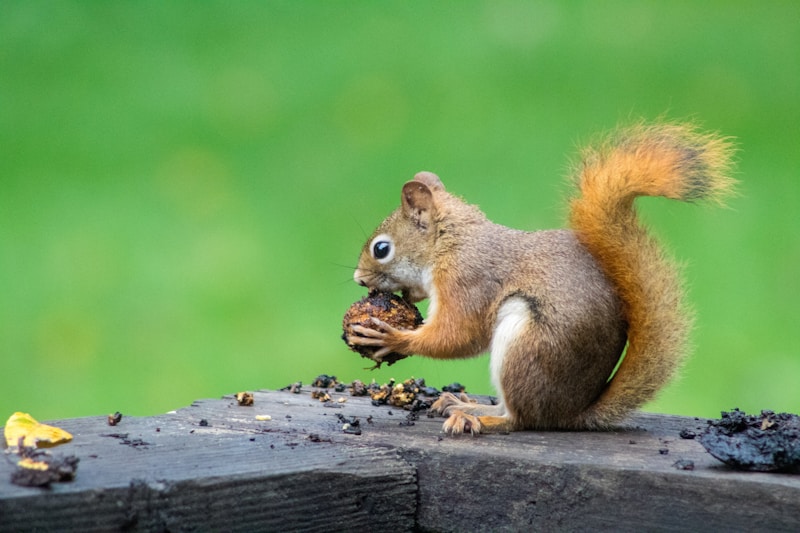
Red squirrels are a whole different energy. Small, territorial, and absolutely unhinged about defending their food stash. The chattering. Good lord, the chattering. They build these enormous piles of cone scales called middens that can last decades. If you hear what sounds like a tiny, furious alarm system in the trees, that’s a red squirrel telling you to back off.
Chipmunks deserve more credit than they get. Sure, the cheek-stuffing is adorable, but their underground engineering is legitimately impressive. An eastern chipmunk’s burrow system can stretch 30 feet with separate rooms for sleeping, eating, and waste. They’re true hibernators, unlike squirrels, though they do wake up periodically to snack from their pantry chambers.
Rabbits Among Us
Eastern cottontails are everywhere, and if you have a yard, you’ve got rabbits. That cotton-puff tail bouncing away at dusk is one of the most common suburban wildlife sightings there is.
Cottontails are crepuscular, meaning they’re most active at dawn and dusk. Smart timing, actually — it’s the sweet spot between daytime hawks and nighttime owls. They don’t burrow like European rabbits. Instead, they hunker down in shallow depressions called forms, tucked under bushes or decks or in that messy corner of the yard you keep meaning to clean up.
The baby situation is intense. A single doe can pump out three to four litters per year, four to six babies each time, and those babies can start breeding within months. It’s a numbers game — rabbits sit near the bottom of just about every food chain, so they compensate by reproducing like crazy. Hawks eat them. Foxes eat them. Coyotes eat them. Neighborhood cats chase them. And yet, there they are, munching your hostas without a care in the world.
Speaking of hostas — yes, rabbits will demolish your garden if you let them. Lettuce, beans, tulips, whatever’s tender and green. It’s frustrating. But they’re also an incredibly important part of the food web. Their grazing keeps certain plants in check, and their existence supports the predators that control rodent populations. So maybe plant some sacrificial clover on the yard’s edge and call it a peace offering?
Deer in Suburban Areas
White-tailed deer in the suburbs are a complicated success story. With wolves and mountain lions largely gone from eastern landscapes, and hunting restricted in residential areas, deer populations have exploded. They love our landscaping. Our yards are basically an all-you-can-eat salad bar for them.
They browse on just about everything — vegetables, ornamental shrubs, your expensive azaleas. Their diet shifts with the seasons, favoring tender new growth in spring and switching to acorns and other hard mast in fall. As ruminants with four-chambered stomachs, they can break down tough plant materials that would give other animals trouble.
Deer social life revolves around the does. Females and their young form family groups that share local knowledge across generations — which yards have the best gardens, which dogs are all bark, which roads to avoid. Bucks are mostly solo except during the fall rut, when they turn into testosterone-fueled lunatics crashing through the woods and fighting each other with antlers they grew fresh that same year.
After the rut, bucks shed those antlers, and shed hunting has become a legitimate hobby. People go out specifically looking for dropped antlers in late winter. It’s like a treasure hunt, but woodsier.
I don’t want to sugarcoat the downsides though. Too many deer strip forest understories bare. Deer-vehicle collisions injure thousands of people every year. And deer are walking tick taxis, hosting the deer ticks that carry Lyme disease. Managing suburban deer populations is one of those issues where there’s no easy answer, just a bunch of imperfect ones.
Raccoons and Opossums as Nighttime Neighbors
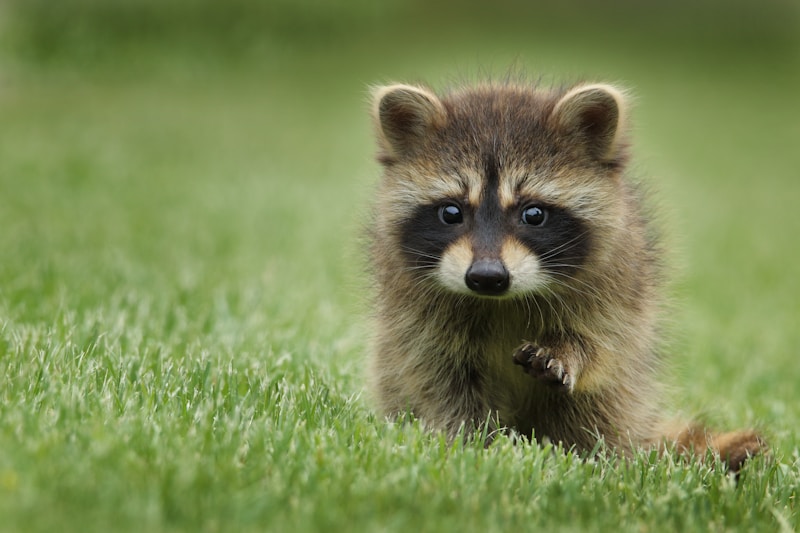
The night shift. This is where things get interesting.
Raccoons are terrifyingly smart. I say that with genuine respect. Their front paws have sensitivity rivaling human hands, and they can open latches, unscrew lids, and defeat most “animal-proof” containers on the market. Research shows they remember solutions to problems for at least three years and learn quickly from watching other raccoons. If raccoons had opposable thumbs, we’d all be in trouble.
Here’s a fun myth-buster for you: raccoons don’t actually wash their food. That thing where they dunk stuff in water? It’s called dousing, and it’s about touch, not cleanliness. Their paw nerve endings become more sensitive when wet, so the water helps them better identify what they’re handling. It’s quality control, not hygiene.
Virginia opossums are the weirdos of suburban wildlife, and I mean that affectionately. They’re North America’s only marsupial — yep, they carry babies in a pouch, just like kangaroos. They’ve been doing their thing relatively unchanged for millions of years, which is kind of impressive when you think about how much everything else has changed around them.
The famous “playing possum” thing? Completely involuntary. When a possum gets terrified enough, its body just shuts down — goes limp, tongue out, sometimes even releases a foul smell. The animal isn’t making a strategic choice. It’s basically fainting from fear. They snap out of it eventually. Most of them don’t make it past two years in the wild, but they breed prolifically to compensate, carrying a dozen or more young in that pouch.
Both of these nighttime visitors do us real favors, whether we realize it or not. They devour insects, slugs, and garden pests by the thousands. Opossums especially deserve a PR makeover — they eat massive quantities of ticks, and their low body temperature makes them surprisingly resistant to rabies. If you’ve got possums in your yard, your tick problem is being managed for free.
Foxes in Your Neighborhood
Red foxes showing up in suburban neighborhoods used to be unusual. Not anymore. These gorgeous canids have figured out how to thrive alongside us, hunting rodents and rabbits in parks, yards, and that empty lot down the street.
I love watching fox family dynamics. Mated pairs often stick together for multiple years, sharing a territory and co-parenting their kits. The babies come in spring, and they learn to hunt through play — pouncing on leaves, stalking each other, practicing the skills they’ll need to survive. It’s basically nature’s cutest training montage.
The hunting technique is something else. When a red fox goes after a mouse or vole, it tilts its head to triangulate the sound, then launches itself straight up in the air before slamming down with its front paws. This move is called mousing, and it looks absolutely ridiculous and works incredibly well. Once you’ve seen it, you’ll never look at foxes the same way.
Gray foxes are less common but have an amazing trick — they can climb trees. Seriously. They’ve got semi-retractable claws that let them scramble up trunks to escape threats or raid bird nests. No other North American canid can do this. If you spot a fox-shaped thing up in a tree, you’re not hallucinating. It’s just a gray fox doing gray fox things.
The good news? Foxes and humans coexist pretty peacefully. They’re not interested in your kids or your dogs. A chicken coop without proper locks might be vulnerable, and very small unsupervised pets could theoretically be at risk, but realistically, foxes are after mice and rabbits. And given the alternative — a yard full of rodents — most people should be thanking their local fox, not fearing it.
Coyotes in Urban Areas
Coyotes might be the ultimate wildlife comeback story, except they never really went away. They just kept expanding. Originally a western prairie species, coyotes now live in every U.S. state except Hawaii and have colonized cities you’d never expect. Chicago. New York. They’re everywhere, and they got there by being absurdly adaptable.
Urban coyotes are sneakier than their rural cousins. They shift to more nocturnal schedules, avoiding human peak hours while still taking advantage of everything suburbia offers. Their diet broadens to include garbage, fallen fruit, outdoor cat food, and unfortunately sometimes outdoor cats themselves. This isn’t the coyote being malicious — it’s being a predator in an environment full of easy meals.
Family structure is flexible. You’ve typically got a mated pair and their offspring, but the details vary. Some young coyotes leave to find their own territory. Others hang around to help raise the next litter. This social flexibility is part of why removal programs consistently fail — take some coyotes out, and others move in or increase their reproduction to fill the gap.
Want coyotes to stay wild and keep their distance? Be consistent. Make noise when you see them. Don’t leave food outside. Secure your garbage. The technical term is “hazing,” and it works. What doesn’t work is feeding them, even indirectly. A habituated coyote is a dangerous coyote, and that story rarely ends well for anyone involved.
Attracting Wildlife Through Feeders and Habitat
Want more wildlife in your yard? You can make that happen faster than you’d think. A bird feeder gets results within days, sometimes hours. But if you really want to turn your property into a wildlife hotspot, you need to think beyond feeders.
Different feeders attract different birds. Tube feeders with tiny perches are perfect for finches and chickadees. Platform feeders bring in ground feeders like sparrows and juncos. Suet cages draw woodpeckers and nuthatches. Hummingbird feeders are their own thing entirely — sugar water, red color, and patience. Mix and match for maximum diversity.
Native plants absolutely demolish exotic ornamentals when it comes to supporting wildlife. A single oak tree can host hundreds of caterpillar species, and caterpillars are what baby birds eat. Berry shrubs like viburnums and serviceberries provide fall and winter food. Native grasses give seeds and ground cover. Every native plant you add is a thread in the web that holds your local ecosystem together.
Water is the secret weapon most people overlook. A birdbath pulls in species that wouldn’t touch a feeder — warblers, thrushes, birds you didn’t even know lived nearby. Add a dripper or a small fountain, and the sound of moving water draws birds from surprisingly far away. In winter, a heated birdbath becomes the most popular spot in the neighborhood.
Shelter matters too. A brush pile in the corner gives rabbits and chipmunks a hideout. Dense shrubs become nesting habitat for songbirds. Dead trees — if they’re not going to fall on anything important — are prime real estate for woodpeckers and cavity nesters. Messy yards are wildlife-friendly yards. That’s my excuse, anyway.
Wildlife-Proofing Your Property
Alright, so attracting wildlife is great until a raccoon family moves into your attic. There’s a balance here, and it starts with prevention.
Garbage is problem number one. Get wildlife-resistant cans with locking lids. Exposed trash is a dinner invitation for raccoons, opossums, and in some areas, bears or coyotes. Feed your pets inside. Never — and I cannot stress this enough — never leave pet food on the porch overnight. That’s how you get a raccoon that thinks your porch is a restaurant.
Button up your house before animals decide it’s their house too. Cap your chimney with a proper screen. Seal gaps under decks and sheds. Check your roofline for holes — squirrels only need a gap the size of a baseball to get in, and raccoons will widen any opening they can get their fingers into. Fixing these things proactively costs a fraction of what you’ll spend evicting established tenants.
Garden defense takes a layered approach. Proper fencing keeps out deer (it needs to be at least 8 feet tall, by the way) and rabbits. Raised beds with hardware cloth underneath stop burrowing rodents from attacking from below. Bird netting protects berries while still letting pollinators through.
As for repellents — results are mixed. Hot pepper sprays work decently on mammals. Motion-activated sprinklers startle animals and actually do a reasonable job. Those ultrasonic gadgets you see marketed everywhere? Scientific testing shows they’re pretty much useless. Save your money.
Living Alongside Wildlife Safely
Most backyard wildlife is not dangerous. I want to be clear about that. The vast majority of human-wildlife encounters are totally harmless, as long as you follow some basic common sense.
Don’t approach wild animals. Don’t feed them. I know the raccoon looks cute. I know the fox kits are adorable. But every time a wild animal learns to associate humans with food, its survival odds drop. Habituated animals lose their caution, conflicts escalate, and the animal almost always pays the price.
Rabies is the fear that drives most wildlife anxiety, and it’s legitimate but overblown. Yes, any mammal can carry rabies, and skunks, raccoons, foxes, and bats are the primary reservoir species in North America. But actual human transmission is extremely rare. The rule is simple: if a wild animal is acting strange — out during weird hours, no fear of people, stumbling or aggressive — stay away and call animal control.
Kids and wildlife require supervision, full stop. Watching animals from a safe distance is wonderful education. Approaching dens, nests, or baby animals is asking for trouble. Even normally calm species can become aggressive when their young are involved. Teach kids to observe, not interact.
If you’ve got pets, manage the situation actively. Cats belong indoors — they kill billions of birds annually and face real dangers from larger predators outside. Supervise dogs in the yard, especially small breeds in coyote country. Avoid walking dogs at dawn and dusk when wildlife traffic peaks.
Here’s what I keep coming back to after all these years of watching my backyard: the wildlife is worth it. Every bit of it. Research consistently shows that contact with nature reduces stress, improves mental health, and makes people happier. The birds at your feeder, the rabbit nibbling clover at dusk, even the opossum waddling across your patio at midnight — they’re connecting you to something bigger than your mortgage and your commute.
When you understand the animals sharing your space, something shifts. You start rooting for them. You start making choices — leaving the brush pile, planting native shrubs, keeping the cat inside — that ripple outward into real conservation impact. It all starts in the backyard. Your backyard. And that’s kind of beautiful, when you think about it.



Leave a Reply