
After decades of devastating losses, African forest elephants are showing signs of recovery across Central Africa. A landmark population assessment published in December 2025 by the African Elephant Specialist Group at the International Union for Conservation of Nature (IUCN) has documented approximately 145,000 forest elephants remaining in the wild, representing the most comprehensive survey of this critically endangered species to date.
The findings offer a rare beacon of hope in wildlife conservation, suggesting that sustained anti-poaching efforts, improved habitat protection, and international cooperation are beginning to pay dividends for one of the planet’s most threatened large mammals.
A New Understanding Through DNA Analysis
What makes this population assessment particularly significant is the methodology behind it. Traditional elephant surveys rely heavily on aerial counts and dung pile surveys, methods that work reasonably well for savanna elephants but prove challenging in the dense rainforests where forest elephants live.
The December 2025 survey employed cutting-edge DNA-based census techniques, collecting and analyzing genetic material from dung samples across vast swaths of Central African rainforest. This approach allows researchers to identify individual elephants and avoid the double-counting that has plagued previous estimates.
“For the first time, we have a genuinely reliable baseline for forest elephant populations,” explained researchers involved in the study. “Previous estimates ranged wildly from 60,000 to 300,000 individuals. Now we can say with much greater confidence where we actually stand.”
The genetic sampling also revealed important information about population connectivity, family structures, and genetic diversity, data that will prove invaluable for conservation planning in the years ahead.
Forest Elephants and Savanna Elephants Are Different Species
One critical point that often gets lost in elephant conservation discussions is that African forest elephants are not simply a smaller version of the more familiar savanna elephant. Genetic research confirmed in 2010 that these are two distinct species that diverged between two and seven million years ago.
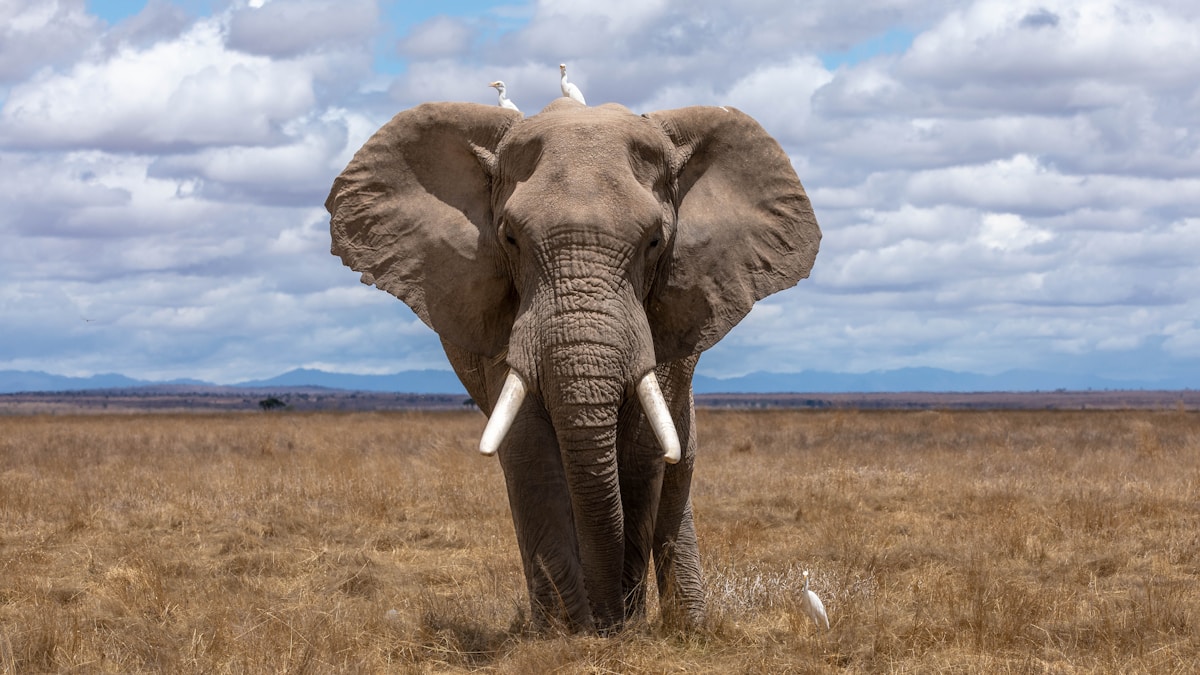
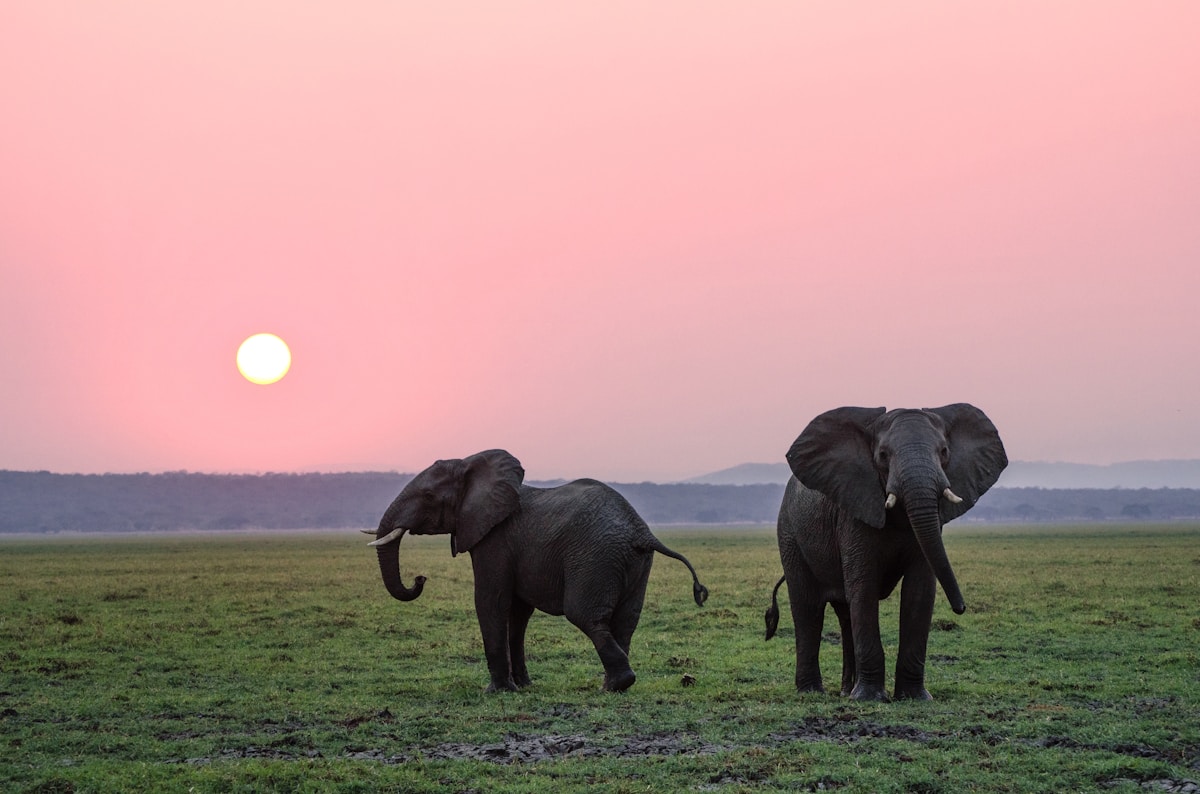
Forest elephants (Loxodonta cyclotis) are substantially smaller than their savanna cousins (Loxodonta africana), typically standing about eight feet tall at the shoulder compared to the savanna elephant’s eleven feet. Their tusks are straighter and point downward, an adaptation for navigating dense forest vegetation. Their ears are more rounded, and their overall body shape is more compact.
Perhaps most importantly from a conservation perspective, forest elephants reproduce much more slowly than savanna elephants. Female forest elephants don’t reach sexual maturity until around 23 years of age and typically have calves only every five to six years. This means that population recovery, even under ideal conditions, is a generational process.
The IUCN classified African forest elephants as Critically Endangered in 2021, a step more severe than the Endangered classification given to savanna elephants. The December 2025 assessment, while encouraging, confirms that the species remains in serious peril.
Why Forest Elephants Matter Beyond Conservation
The recovery of forest elephants carries significance far beyond the fate of a single species. These animals are what ecologists call “mega-gardeners” of the African rainforest, playing an irreplaceable role in maintaining forest health and biodiversity.
Forest elephants disperse the seeds of more than 300 plant species, many of which depend entirely on elephants for reproduction. Some trees produce fruits so large that only elephants can swallow and transport their seeds. When elephants disappeared from certain forest areas during the poaching crisis of the 2000s and 2010s, researchers documented measurable changes in forest composition.

The carbon storage implications are equally profound. Central African rainforests are among the most carbon-dense ecosystems on Earth, and research published in recent years has demonstrated that forests with healthy elephant populations store significantly more carbon than those without elephants. This occurs because elephant seed dispersal favors large-seeded tree species that tend to grow larger and store more carbon.
One study estimated that the loss of forest elephants could reduce the carbon storage capacity of Central African forests by several billion tons, a climate impact equivalent to years of global fossil fuel emissions. In an era of climate crisis, protecting forest elephants is not just about wildlife conservation but about preserving one of Earth’s crucial carbon sinks.
The Poaching Crisis Has Eased But Not Ended
The primary driver of forest elephant decline over the past several decades has been poaching for ivory. Between 2002 and 2011, forest elephant populations crashed by an estimated 62 percent, with some areas losing more than 80 percent of their elephants to ivory hunters.
The good news reflected in the December 2025 assessment is that poaching pressure has declined significantly since its peak. International ivory trade bans, improved law enforcement in key habitat countries, demand reduction campaigns in consumer markets, and the closure of domestic ivory markets in China and other countries have all contributed to reduced poaching.
Several Central African nations have dramatically improved their ranger forces and anti-poaching operations. Gabon, which holds perhaps the largest remaining forest elephant population, has invested heavily in wildlife protection and seen encouraging results. The Republic of Congo, Cameroon, and the Central African Republic have all reported reduced poaching incidents in recent years.
However, the ivory trade has not disappeared. Organized criminal networks continue to target elephants, particularly in areas with weak governance or ongoing conflict. The price of ivory on black markets remains high enough to motivate poaching, and as elephant populations recover, they may become more attractive targets once again.
Habitat Loss Emerges as the Growing Threat
While poaching has declined, habitat destruction has emerged as an increasingly serious concern. Central African rainforests face mounting pressure from logging operations, agricultural expansion, mining, and infrastructure development.
Industrial logging, even when conducted selectively rather than through clear-cutting, degrades elephant habitat by opening forest canopy, building roads that provide access for poachers, and disrupting the fruiting cycles of trees that elephants depend on for food.
Agricultural expansion, particularly for palm oil and cocoa production, is converting forest to farmland at an accelerating rate. Population growth in Central African countries creates demand for both farmland and bushmeat, pushing human activity deeper into elephant habitat.
Mining operations, both industrial and artisanal, pose another growing threat. Central Africa’s forests sit atop significant deposits of minerals including gold, diamonds, and increasingly valuable battery metals like cobalt. Mining operations destroy habitat directly and bring workers who may hunt elephants for food or profit.
Road construction deserves particular attention. Research has consistently shown that elephant density declines sharply near roads, which provide access for poachers, create barriers to elephant movement, and fragment populations. Several proposed road projects in the region could severely impact remaining elephant habitat.
Human Elephant Conflict Complicates Conservation
As elephant populations recover and human populations grow, conflict between elephants and people has intensified in many areas. Forest elephants raid crops, particularly enjoying plantains, cassava, and cocoa, causing significant economic losses for farmers who can least afford them.
A single elephant raid can destroy a family’s entire harvest, wiping out months of labor and their primary source of income or food. In some communities, such losses have occurred repeatedly, generating deep resentment toward elephants and conservation programs.
Managing human elephant conflict requires approaches tailored to local conditions. Some programs have found success with physical barriers like chili-infused fences that deter elephants. Others focus on early warning systems that allow farmers to drive elephants away before they reach crops. Compensation programs attempt to offset losses when prevention fails.
Perhaps most importantly, conservation programs increasingly recognize that local communities must see tangible benefits from elephant conservation. This might mean revenue sharing from tourism, employment in conservation programs, or development projects funded by conservation organizations. Without community support, long-term conservation success is unlikely.
Conservation Success Stories Point the Way Forward
Several conservation initiatives have demonstrated that forest elephant recovery is possible when the right conditions are created.
Gabon has emerged as a leader in forest elephant conservation. The country has designated approximately 11 percent of its territory as national parks, including Lopé National Park, which holds one of the healthiest remaining forest elephant populations. Strong political commitment to conservation, effective anti-poaching enforcement, and relatively low human population density in elephant habitat have all contributed to Gabon’s success.
In the Republic of Congo, the Nouabalé-Ndoki National Park has maintained a stable elephant population through sustained investment in ranger patrols and community engagement programs. The park works closely with surrounding communities, providing employment and sharing revenue from the limited tourism that occurs in this remote area.
Cross-border conservation initiatives have also shown promise. The Sangha Trinational, a UNESCO World Heritage Site spanning portions of Cameroon, the Central African Republic, and the Republic of Congo, demonstrates how international cooperation can protect elephant populations that range across national boundaries.
These successes share common elements including sustained funding, effective law enforcement, community engagement, and long-term commitment. They demonstrate that recovery is possible but requires dedicated effort over decades.
What Needs to Happen Next
The December 2025 population assessment provides both hope and a call to action. While the finding of 145,000 forest elephants is better than some feared, this remains a critically endangered species facing ongoing threats.
Sustained anti-poaching efforts remain essential. The decline in poaching should not lead to complacency. Criminal networks retain the capacity to scale up ivory trafficking if enforcement weakens or market conditions change. Continued investment in ranger forces, intelligence gathering, and international law enforcement cooperation is necessary.
Addressing habitat loss requires engaging with the economic forces driving deforestation. This means supporting sustainable development alternatives in forest countries, ensuring that commodity supply chains are deforestation-free, and making forest protection economically competitive with forest conversion.
Climate finance may provide an important mechanism. As the carbon storage value of intact forests gains recognition in climate policy, payments for ecosystem services could help forest nations justify protection over exploitation. Forest elephants, through their role in maintaining forest carbon storage, could become beneficiaries of climate action.
Human elephant conflict will require increased attention and investment as elephant populations recover. Effective conflict mitigation programs need scaling up, and affected communities need support to coexist with elephants. Conservation programs that exclude local people or ignore their concerns have repeatedly failed.
Scientific monitoring must continue and expand. The DNA-based survey methods used in the December 2025 assessment should become standard practice, allowing regular tracking of population trends. Only with reliable data can conservation programs be evaluated and adjusted.
Finally, international support remains crucial. Central African nations cannot bear the full cost of protecting a global biodiversity treasure and carbon sink alone. Continued funding from international donors, conservation organizations, and climate finance mechanisms is essential to sustaining the programs that have brought forest elephants back from the brink.
A Cautious Celebration
The recovery of African forest elephants from the depths of the poaching crisis represents a genuine conservation achievement. When populations were crashing in the early 2010s, many feared the species might be functionally extinct within decades. That this has not happened reflects the dedicated work of rangers, researchers, conservation organizations, and governments across Central Africa and around the world.
Yet celebration must be tempered by recognition of how much remains to be done. Forest elephants are still critically endangered. Their habitat faces mounting pressure. Their slow reproduction means that recovery will take generations even under the best circumstances.
The December 2025 assessment tells us that conservation can work when properly resourced and sustained. It also reminds us that the work is far from over. The fate of African forest elephants, and the vast carbon-storing forests they help maintain, remains very much in human hands.



Leave a Reply