The Bushfire Catastrophe That Changed Everything
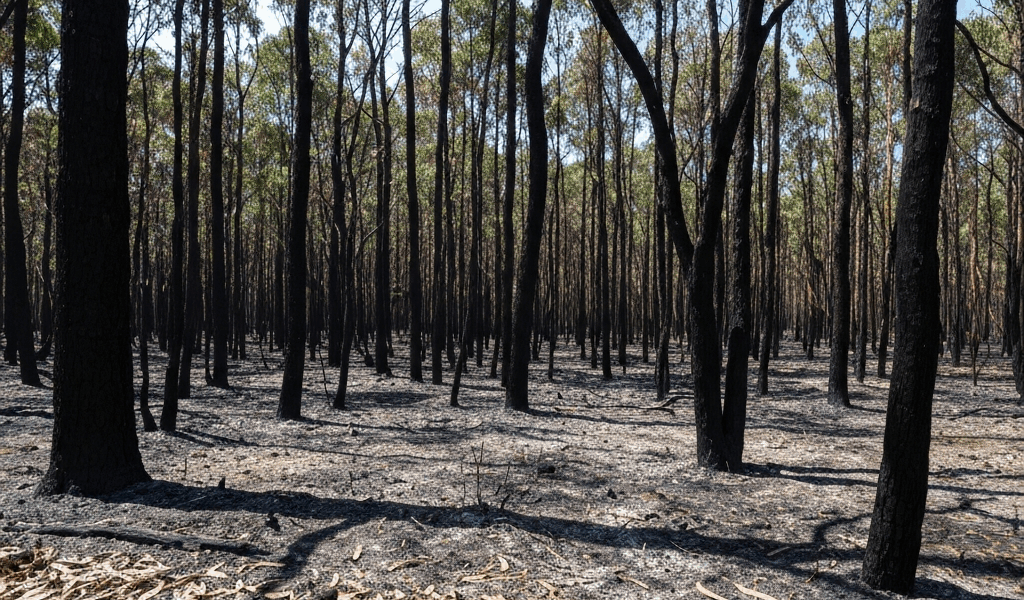
Koala populations have gotten complicated with all the conflicting information flying around. But here’s what actually happened: between September 2019 and March 2020, Australia’s bushfire season burned roughly 18.6 million hectares across New South Wales, Victoria, and Queensland—and nearly 3 billion animals perished in the flames.
I spent weeks reading post-fire surveys from wildlife researchers, and the koala numbers were absolutely staggering. In New South Wales alone, scientists estimated that 5,600 of the state’s 15,000 koalas died directly in the fires. Victoria lost another 6,700. But here’s what caught me off guard—the raw death count misses the cascading failure completely. The fires didn’t just kill koalas. They fragmented the remaining populations into isolated pockets, each smaller and genetically weaker than before.
What made 2019-2020 different from previous fire seasons? Speed. Koala habitat that took decades to mature burned in days. The fires hit during critical breeding seasons, destroying pregnant females and young joeys sheltering in trees. In some regions, fire intensity was so severe that the soil itself became toxic, poisoning the regrowth eucalyptus that koalas depend on.
But what is koala survival, exactly? In essence, it’s about having the right trees. But it’s much more than that. Koalas don’t just need trees—they need old trees, with specific nutrient profiles and structural complexity that takes years to develop. A eucalyptus forest regrows quickly, sure, but the leaves lack the nutritional density koalas require for years after fire. A koala born in 2023 into a “recovered” forest might literally starve on vegetation that looks healthy but contains insufficient nitrogen and fiber.
The regional collapse was uneven, though the numbers tell the story clearly. In the Gippsland region of Victoria, over 97% of koala habitat was affected by fire. That’s not a setback—that’s ecosystem collapse within a single year.
Chlamydia Is Quietly Finishing What Fire Started
Stressed by habitat loss, weakened koalas became vulnerable to something that had simmered in the population for decades—chlamydia trachomatis infection. The disease causes infertility, blindness, and slow organ failure.
In unburned koala populations, chlamydia infection rates ranged from 10% to 50% depending on region. Post-fire? Infection rates in surviving populations spiked considerably. Isolated populations with genetic bottlenecks had weaker immune responses. The stress of relocation programs and habitat fragmentation triggered latent infections to progress rapidly.
Probably should have opened with this section, honestly—because chlamydia is less visible than fire but possibly more devastating long-term. A koala that survives the flames but carries chlamydia won’t breed successfully. She might never reproduce. Her genes disappear from the population.
Treatment exists. Antibiotics like doxycycline kill the bacteria. But scaling treatment across wild populations is logistically impossible. Researchers have been testing oral vaccines on captive koalas, but deployment timelines stretch years into the future. The Port Macquarie Koala Hospital in New South Wales treats individual koalas, but they handle roughly 400 animals per year—at least if you’re talking about the entire annual capacity. The regional koala population is estimated at 15,000.
Here’s the compounding problem nobody mentions: chlamydia thrives in fragmented populations. Small, genetically similar groups have weaker immune diversity. They’re more susceptible to infection. They’re less likely to recover. Each isolated population becomes a petri dish for disease.
Trapped by isolation and disease pressure, koala populations face a biological trap. They need genetic diversity to resist infection—they need population density to maintain breeding rates. The habitat loss from fire destroyed both conditions simultaneously.
Eucalyptus Forests Aren’t Recovering as Fast as Koalas Need
Here’s the timeline problem that nobody talks about. Eucalyptus trees regrow quickly—sometimes within 2-3 years. But they don’t regrow into what koalas actually need.
Koalas eat roughly 600 grams of leaves daily, and they’re incredibly picky. There are over 700 eucalyptus species in Australia, but koalas eat maybe 30. In some regions, they prefer just 5 or 6 species. Post-fire eucalyptus recovery tends to favor fast-growing species that koalas won’t touch. The forests “recover” in botanical terms but remain unusable for koalas.
Queensland’s data is instructive. The state lost roughly 45% of its koala habitat in the 2019-2020 fires. Regrowth began immediately, but the composition shifted toward acacia and other pioneer species. Structural complexity—the branching patterns that allow koalas to climb and rest safely—took 15-20 years to develop, not 2-3.
Victoria’s experience was even worse. In areas affected by the 2009 Black Saturday fires, eucalyptus forests had still not returned to pre-fire nutritional status by 2019. Koalas returning to “recovered” habitat in the 2010s faced chronically malnourished vegetation. Then the 2019-2020 fires hit the same regions again—wiping out a decade of partial recovery.
Urban sprawl and logging compound this recovery gap considerably. In New South Wales, koala habitat loss from development was running at roughly 5% per year even before the 2019-2020 fires. Cities expanded into what remaining forest existed. Logging operations harvested trees faster than fire-driven mortality rates. The available habitat shrank from two directions simultaneously.
Koalas breed roughly every 2 years, with 18-month dependency periods for joeys. A female born in 2019 surviving the fires would reach breeding age in 2021-2022, returning to forests that were still nutritionally recovering. Her offspring would face the same degraded habitat. Population recovery requires either explosive habitat regeneration or a massive, coordinated pullback from human land use. Neither is happening.
Why Recovery Programs Keep Falling Short
Australia established several breeding and reintroduction programs in response to the crisis. The Taronga Zoo in Sydney, the Healesville Sanctuary in Victoria, and Port Macquarie Koala Hospital all operate breeding programs. The logic seems sound: breed healthy koalas in captivity, treat chlamydia, reintroduce to protected habitat.
The results have been mixed at best.
Captive breeding reduces genetic diversity further—this is where things get problematic. The Taronga Zoo program, started in the 1970s, maintained roughly 50 breeding koalas. Genetic analysis revealed the entire population descended from just 5 wild-caught founders. Inbreeding depression is real. Captive-born koalas show lower disease resistance and reproductive success than their wild ancestors would have had.
Reintroduction outcomes are uncertain. The Booderee Koala Breeding Centre on Booderee National Park released 60+ koalas into protected habitat between 2015 and 2021. By 2023, the wild population they monitored had stabilized but not grown significantly. Some reintroduced koalas didn’t establish territories. Others experienced high chlamydia reactivation in the wild.
The real question nobody wants to ask: Are sanctuaries accidentally replacing wild population recovery instead of supporting it? Resources poured into captive breeding might be better spent on habitat protection and disease management in remaining wild populations. Once koalas are captive-bred, reintroduction is expensive and unreliable. It doesn’t address the root habitat problem.
Queensland is testing a different approach—vaccinating wild populations against chlamydia while protecting remaining habitat from logging and development. Results won’t be clear for 5-10 years. But it addresses root causes rather than symptoms.
What Would It Actually Take to Stabilize Koala Numbers
Stabilizing koalas requires simultaneous action on three fronts—and they’re not optional. One without the others fails.
First, you should pursue large-scale habitat protection, at least if you want any chance of long-term koala survival. Not reforestation—the original habitat. Queensland, Victoria, and New South Wales need immediate logging moratoriums in koala range. An estimated 20% of remaining suitable habitat could be protected through regulatory change alone. The cost is political, not financial.
Second, disease management at scale might be the best option. Oral vaccine deployment to wild populations, paired with chlamydia screening in breeding populations. This requires sustained funding and coordination—something Australia’s fragmented funding structure hasn’t provided. Port Macquarie’s model is excellent but underfunded. Scaling it requires 3-5 times current annual investment.
Third, population genetics intervention. Small populations need genetic rescue—introducing genetic diversity from unrelated populations before inbreeding becomes irreversible. This is controversial but necessary for populations under 500 individuals.
The realistic timeline? Koala populations will continue declining for another 5-10 years even with optimal intervention. Stabilization at reduced numbers is likely by 2030-2035. Recovery toward pre-2019 populations would take 50+ years and requires sustained habitat protection that hasn’t materialized yet.
The bushfires didn’t just kill koalas—they exposed how fragile the entire system had become. Habitat fragmentation, disease vulnerability, and breeding constraints were already present. Fire was the catalyst that collapsed multiple systems simultaneously. Without intervention across all three fronts, koala decline continues.


Leave a Reply